
We earn a commission if you buy through these links. Learn more
The sunne in splendour
Guide by the Books of the Day editors · Updated · How we write our guides
A long, immersive novel of the Wars of the Roses that makes Richard III its emotional center, for readers who want sweeping dynastic politics told with patience and a clear sympathy for its protagonist.
What Creators Say About The sunne in splendour
2 creators reviewed The sunne in splendour on YouTube between 2017 and 2021, with 3K views between them. Their opinions are their own; we picked these reviews, we didn't write them.
What It's About
The Sunne in Splendour is a long historical novel about the Wars of the Roses, centered on Richard III, the last Plantagenet king, and the York family he was born into. Penman follows the rivalry between the houses of York and Lancaster from the 1450s through to Bosworth in 1485, paying close attention to the ambitions, grievances, and marriages that moved the great families. Richard is not a side figure here. He is the emotional heart of the story.
The approach is immersive and unhurried. Penman moves among a wide cast, including Richard's mother Cecily Neville, his brothers, and the powerful lords who made and unmade kings, so the same events are seen from several angles. Politics, intrigue, and battle are rendered in considerable detail, and the research shows in the texture of court life and everyday conditions. The tone is openly sympathetic toward Richard, so the book argues a case rather than offering a neutral chronicle.
Reading it is an absorbing commitment rather than a quick read. Readers who enjoy long-form historical fiction will find the buildup rewarding, though the number of names and factions can feel heavy at the start. Keeping a family tree nearby helps. Once the alliances and rivalries take shape, many readers find the book hard to put down.
Read this if you…
- love long historical novels that cover a whole era rather than a single episode
- want a sympathetic, character-driven view of Richard III and the York family
- enjoy intricate court politics and do not mind keeping track of a large cast
Skip it if you…
- want a fast-moving plot or short chapters you can finish in a sitting
- prefer a neutral, strictly documentary account of the period
Key Ideas
- 1
Richard as a sympathetic protagonist
The novel treats Richard as a loyal, principled man caught in a brutal political world, and it asks readers to see his choices from the inside. This framing shapes almost every scene, so the book is best read as a sympathetic interpretation of his life rather than a balanced verdict on his reputation.
- 2
Dynastic conflict told through many viewpoints
Penman shifts between perspectives on both sides of the struggle, which helps explain why shifting loyalties looked reasonable to the people making them. The reader sees how family ties, inheritance claims, and personal grudges turned a succession dispute into a generation of civil war.
- 3
Women's influence on power and politics
Figures like Cecily Neville and Anne Neville are given real weight in the story. Their marriages, counsel, and private pressures are shown as part of the political machinery, not as decoration around the battles.
- 4
Loyalty, betrayal, and the cost of ambition
Several major characters switch sides, and the novel dwells on what those reversals cost in trust, honor, and lives. Its recurring interest is in how oaths and kinship bind people, and what happens when those bonds collide with self-interest.
- 5
Research-driven detail and a long-form pace
The book's appeal lies in its density: court customs, travel, military logistics, and domestic routine are all given space. The pace is deliberate, which rewards readers who like to settle into a world, but it can feel slow to anyone expecting a fast plot.
Limitations
The novel's sympathy for Richard is its main limitation. Penman makes a case for him, and readers who know the historical debates may find some interpretations one-sided. The cast is large and the opening chapters can feel dense, so the book asks for patience before its momentum builds. Its prose is occasionally elaborate, and the research, while impressive, sometimes slows scenes that could have been tighter. Because it reflects the scholarship and attitudes of its time, readers wanting the latest historical findings should look to nonfiction alongside it.
Questions Readers Ask
- Do I need to know the Wars of the Roses before reading it?
- No, but a basic outline helps. The novel introduces its factions gradually, and a short timeline or family tree makes the early chapters easier to follow. Most readers who come in cold find the political structure clear after the first few hundred pages.
- How does it compare to Hilary Mantel's Wolf Hall books?
- Both are long, detailed historical novels about Tudor-era power, but they differ in approach. Penman gives a wider sweep of events and an openly sympathetic view of a single protagonist, while Mantel works in a tighter, more intimate close perspective. Readers who enjoy one often enjoy the other.
- Published
- 1990
- ISBN
- 9780345363138
- Difficulty
- intermediate
- Category
- Fiction
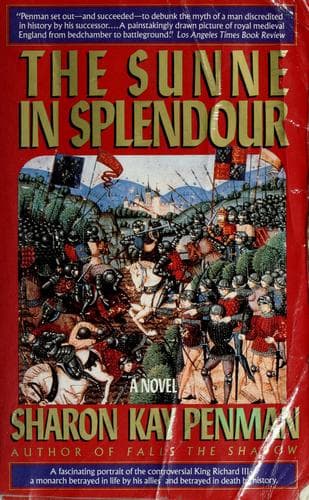
Book details and cover from Google Books.
Ready to read The sunne in splendour?
Get your copy on Amazon, or listen to it on Audible. We earn a commission if you buy through these links.