
We earn a commission if you buy through these links. Learn more
The Sun Also Rises
Hemingway's sharpest look at lost postwar expatriates, a quietly affecting novel that rewards readers who value spare prose, subtext, and restless, unspoken longing.
What It's About
The Sun Also Rises (1926) follows Jake Barnes, an American newspaper writer living in Paris after the First World War. Jake narrates the story, and a war wound has left him unable to pursue the love he feels for Lady Brett Ashley, a glamorous Englishwoman who moves through a crowd of drinkers, friends, and hangers-on. When the group travels to Pamplona for the bull-running festival and then to fishing country in the Basque hills, the book becomes a study of who wants what, and why they cannot have it.
Hemingway's style is the main event. Sentences are short and declarative, the vocabulary is plain, and much of the feeling sits beneath the dialogue. Characters talk about drinks, weather, bullfights, and money, and the reader has to work out what is really at stake. The method is often described as the iceberg approach: most of the emotion stays unstated, so the surface does the work of suggesting what lies below.
Reading it feels like sitting in on conversations at a café table: slow, observant, a little sad, and often funny. The book is short, and its pace comes from mood rather than plot. Expect long stretches of talk and travel, and a central relationship that frustrates more than it satisfies, which is part of the point.
Read this if you…
- want a short, classic novel about restless people and the aftermath of war
- enjoy understated writing where the meaning lives between the lines
- are curious about Paris and Spain in the 1920s and the Lost Generation
Skip it if you…
- want a plot-driven story with clear stakes and a steady build toward a climax
- find the novel's treatment of women and of Robert Cohn hard to read without historical context
Key Ideas
- 1
Spare prose that hides strong feeling
Hemingway trusts the reader to notice what is left out. Simple sentences, repeated small actions, and clipped dialogue carry grief, jealousy, and longing without naming them. Once you learn to read the gaps, the restraint becomes the source of the novel's emotional force, and many later writers borrowed the technique.
- 2
Disillusionment after the First World War
The characters belong to a generation that came through the war and found the old certainties gone. They drift between Paris, Spain, and bars, looking for something to care about. The book shows this restlessness without lecturing, through people who are charming, bored, and aware that their lives have lost direction.
- 3
Desire, injury, and what cannot be had
Jake's wound turns a familiar romantic triangle into a question about what it means to want someone you cannot fully have. The novel explores how pride, shame, and habit shape the way people act around each other, and how easily longing turns into self-deception or cruelty.
- 4
Bullfighting and fishing as codes of conduct
The Pamplona festival and the bullring are presented as arenas where skill, courage, and control are tested under strict rules. Hemingway uses these rituals as a counterpoint to the disorder of the characters' social lives, asking what it means to face danger well when so much else feels aimless.
- 5
Friendship, drinking, and the pull of routine
Much of the story happens in cafés and hotel bars, where the group fills time with drink and talk. Hemingway shows how friendship can be both a comfort and a trap, and how habit lets people avoid decisions they know they should make. The social world here is small, and its boundaries matter.
Limitations
Critics often point to the narrow world of the book: wealthy expatriates, drinking, and leisure, with little sense of the wider society. Women, especially Brett, are seen largely through male frustration and judgment. Robert Cohn is drawn with antisemitic caricature that many readers find jarring. The plot is thin, and some readers find the long conversations and repetitive rhythms tiring. Hemingway's stylistic influence can also make the prose feel familiar to readers who have encountered it through imitators.
Questions Readers Ask
- Is The Sun Also Rises still worth reading today?
- Yes, especially if you want to see how modern prose was shaped in the 1920s. The writing is still clear and readable, and the themes of disillusionment and emotional evasion remain relevant. Be prepared for dated attitudes toward women and certain characters, and read with that context in mind.
- How does it compare to A Farewell to Arms?
- The Sun Also Rises is more social and conversational, with a looser structure built around a group trip. A Farewell to Arms is more tightly plotted and centred on a war romance. If you liked the restraint of Hemingway's dialogue, this novel will feel familiar. If you want a more emotionally driven story, Farewell may suit you better.
- Published
- 1926
- ISBN
- 9788408010098
- Difficulty
- beginner
- Category
- Fiction
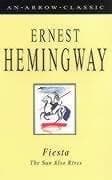
Book details and cover from Google Books.
Ready to read The Sun Also Rises?
Get your copy on Amazon, or listen to it on Audible. We earn a commission if you buy through these links.