
We earn a commission if you buy through these links. Learn more
The Story of Edgar Sawtelle
A patient family novel about a mute boy, a prized line of dogs, and a Hamlet-shaped tragedy on a Wisconsin farm, worth it for readers who like slow-building drama.
What It's About
The Story of Edgar Sawtelle follows Edgar, a boy born mute, who grows up on a remote northern Wisconsin farm where his parents breed and train dogs. The Sawtelle dogs are known for their temperament and obedience, and the family communicates through a homemade system of gestures that Edgar shares with his mother and with the animals. The novel is loosely built on Hamlet, so readers who know the play will notice the echoes, but the book holds up for anyone who has never opened Shakespeare.
Wroblewski works slowly and with great attention to daily life: training routines, the seasons, the physical labor of running a kennel, and the way a dog's behavior can reveal what is happening in a household. The early chapters build a world rather than rushing to conflict, and some readers will find that pace demanding. The prose is plain and sensory, and the tension grows steadily as family loyalties and old secrets come under strain.
Reading it feels like sinking into a long rural saga with a thriller's undercurrent. It is more emotional than clever, and it rewards patience with a sense of real intimacy with its characters and their animals.
Read this if you…
- want a long, immersive family novel that builds slowly toward real tension
- enjoy close attention to animal behavior and the craft of training working dogs
- like tragedies reworked in modern settings and want a story that echoes a classic
Skip it if you…
- need a fast plot with frequent action or a quick payoff
- find extended rural detail, dog training, and long domestic scenes tedious
Key Ideas
- 1
Communication without speech
Edgar's signing is more than a plot device. The novel shows how a private language builds closeness within a family and how it shapes what Edgar can know, say, and be understood for. Wroblewski treats communication as something that is invented, maintained, and sometimes fragile, not simply given.
- 2
Breeding as a model for shaping character
The Sawtelles select for temperament, trainability, and loyalty, and the book keeps asking whether those same forces can be applied to people. Training a dog requires patience and control, and the novel quietly examines the line between guiding a creature and imposing on it, both in the kennel and at home.
- 3
Inheritance and the weight of a family place
The farm is more than a home. It is a legacy with its own reputation, rules, and expectations. Characters are bound to it by obligation and affection at once, and the book explores what a child owes to a place and a name when the adults around him disagree about what those things mean.
- 4
Hamlet reimagined in a rural American setting
The novel borrows the structure of Shakespeare's tragedy, with a father's death, a divided household, and a son trying to find the truth. Wroblewski moves the story into a quiet, modern, animal-centered world, so the familiar pattern feels less like a costume and more like a lens on private grief and suspicion.
- 5
Trust between people and animals
Dogs in this book are not decoration. Their bonds with Edgar are among the most vivid relationships in the story, and they help show what trust looks like when it is not based on words. Readers who care about animals will find these passages some of the novel's strongest.
Limitations
Common criticisms include length and a slow opening that asks readers to settle into the farm before the drama arrives. Some find the sentiment heavy, and the Shakespearean parallels can feel either too neat or too loosely applied. The book is also not a study of disability in the abstract. It is a family story in which Edgar's muteness shapes his world, and readers looking for a broader treatment of deaf culture or communication will find only part of that here.
Questions Readers Ask
- Do I need to know Hamlet to enjoy The Story of Edgar Sawtelle?
- No. The novel stands on its own as a family story about a boy, his parents, and their dogs. Knowing Hamlet adds a layer of recognition, since the broad shape of the tragedy is visible if you know the play, but the book is not a puzzle that requires that background. Readers unfamiliar with the play will still follow the tension and the emotional stakes.
- Is this a good book for dog lovers?
- Often, yes. Dog training and the Sawtelles' work with their animals are central to the story, and many readers find these passages the most absorbing part of the book. If you want a novel that treats dogs as characters with real presence rather than as background, this one delivers. If you want dogs to be just a setting, you may find them more prominent than you expected.
- Is it too long for a casual reader?
- It is a substantial book, and the early sections move deliberately. Readers who give it about a hundred pages to establish its world often find the pace starts to pull them along. Casual readers who prefer quick chapters and constant plot turns may struggle, while those who enjoy immersive novels usually find the length worth the investment.
- Published
- 2008
- ISBN
- 9780007310753
- Difficulty
- intermediate
- Category
- Fiction
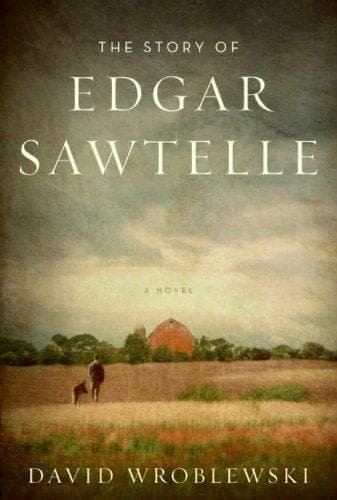
Book details and cover from Google Books.
Ready to read The Story of Edgar Sawtelle?
Get your copy on Amazon, or listen to it on Audible. We earn a commission if you buy through these links.