
We earn a commission if you buy through these links. Learn more
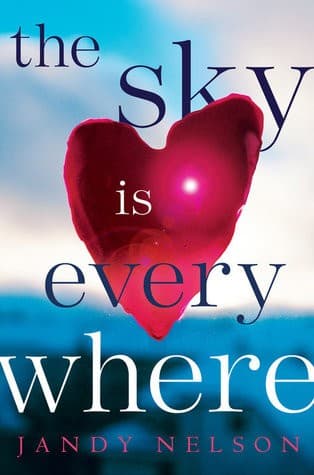
The sky is everywhere
by Jandy Nelson
Guide by the Books of the Day editors · Updated · How we write our guides
A grieving teen, a sister's poems left behind, and a messy first love make this lyrical YA novel worth reading for its voice, even when its style pushes against you.
What Creators Say About The sky is everywhere
2 creators reviewed The sky is everywhere on YouTube in 2015, with 10.1K views between them. Their opinions are their own; we picked these reviews, we didn't write them.
What It's About
The Sky Is Everywhere is a young adult novel narrated by Lennie Walker, a seventeen-year-old whose life is rearranged when her older sister Bailey dies suddenly. The book is less interested in the bare facts of loss than in the way grief scrambles everything around it: school, family, friendship, and the unexpected feelings that show up when you least expect them. Lennie is funny, restless, and often contradictory, and the story follows her attempts to keep functioning while she tries to make sense of a sister who seemed to know how to live.
Nelson writes in a style that will divide readers. Sentences break apart and rearrange, lines of verse drift into prose, and Lennie's habit of collecting words and sounds gives the pages a rhythm closer to poetry than to a conventional novel. Wordplay sometimes lands with real force and sometimes feels crowded. The reading experience is quick and emotional, with plenty of white space and a lot of heart.
What you take away is less a plot than a mood: a portrait of a family learning to talk around an absence, and of a girl discovering that her sister's presence has not entirely disappeared. It is a book about second chances, about the tangled overlap of love and loss, and about how art can hold what ordinary speech cannot.
Read this if you…
- enjoy lyrical, voice-driven fiction where the style is part of the story
- want a teen novel about grief that is funny as well as sad
- are drawn to coming-of-age stories about art, family, and first love
Skip it if you…
- want a plot-driven book with clear stakes and steady momentum
- find fragmented, poem-like prose tiring rather than moving
Key Ideas
- 1
Grief as disruption rather than stages
Nelson presents grief as something that knocks ordinary routines, relationships, and self-image off balance, not as a sequence of tidy steps. Lennie is angry, funny, guilty, and unsure of herself, and the book trusts that messiness. Readers looking for a neat lesson about moving on will find something more honest and less comforting.
- 2
Language as a way of coping
Lennie's wordplay and the poems she encounters become a way of processing what she cannot say directly. The prose itself reflects this, with fragments, lists, and sound-driven phrasing that mirror a mind chasing meaning. The style is part of the emotional argument, not just decoration.
- 3
Family members grieving in different ways
The household does not share one way of mourning. Relatives withdraw, cling to routine, or avoid the subject altogether, and Lennie has to read them as closely as she reads herself. The book shows how loss can split a family apart and also pull it back together in unexpected ways.
- 4
First love arriving during mourning
Romance runs through the story and complicates Lennie's loyalties and her sense of what she is allowed to feel. Nelson treats attraction as neither a betrayal of the dead nor a cure for sadness, which keeps the emotional stakes uncertain and human.
Limitations
Readers often point to the style: the typography, wordplay, and broken sentences can feel self-conscious, and some find Lennie's voice overly quirky. The emotional beats are intense, and the romance can feel conveniently timed. Because the book is told from one teenage perspective, the adults around Lennie stay partly sketched. It is a YA novel, so it does not attempt the depth or breadth of an adult family saga.
Questions Readers Ask
- Is The Sky Is Everywhere only for teens, or do adults enjoy it too?
- Plenty of adults enjoy it. It is written for young adults and its narrator is seventeen, but its concerns with grief, family, and creative identity are universal. Readers who like lyrical, voice-driven writing tend to get the most from it. Adults looking for dense, realist family fiction may find it lighter than they want.
- How does it compare to Jandy Nelson's other novels?
- It shares her strong sense of voice and her interest in art, family, and emotional intensity. If you enjoy this one, Nelson's I'll Give You the Sun, which also centers on siblings and creative expression, is a natural next read. Both books reward patience with the style and are emotionally demanding in similar ways.
- Published
- 2010
- ISBN
- 9781613832233
- Difficulty
- beginner
- Category
- Fiction
Book details and cover from Google Books.
Ready to read The sky is everywhere?
Get your copy on Amazon, or listen to it on Audible. We earn a commission if you buy through these links.