
We earn a commission if you buy through these links. Learn more
The Silver Linings Playbook
On screen: Silver Linings Playbook (film, 2012)
Matthew Quick's funny, unsettling novel gives you a manic, lovable narrator fighting to win back his estranged wife, and it asks hard questions about recovery along the way.
What It's About
The Silver Linings Playbook is a 2008 novel by Matthew Quick about Pat Peoples, a man in his thirties who has spent months in a mental health facility after a violent episode. He returns to his parents' home in a Philadelphia suburb convinced that if he stays fit, stays positive, and follows the self-improvement system he has built for himself, he can win back his estranged wife. The book starts from that premise and never fully lets go of it.
What sets the novel apart is its voice. Pat narrates in the first person with a restless, sometimes manic energy, swinging between hope, anger, and confusion, so the reader often sees what he misses. Quick writes in short, direct sentences with plenty of dialogue and a comic streak that keeps the story from turning bleak. Football, especially the Philadelphia Eagles, runs through the book as a ritual and a shared language between Pat and his father.
Reading it feels like sitting close to someone who is trying very hard to get things right and often misreads the people around him. The emotional payoff comes less from plot mechanics than from watching wounded, stubborn characters slowly notice one another. Expect a fast, warm, occasionally uncomfortable read in which serious material is handled through humor rather than lecture.
Read this if you…
- want a character-driven novel with a distinctive, funny, slightly unhinged narrator
- are interested in mental illness shown from inside a mind rather than from a clinical distance
- enjoy sports fandom and messy family life handled with warmth
Skip it if you…
- need a plot that moves steadily toward clear answers, since the book leans on voice and digression
- find manic narration exhausting or prefer gritty realism without a romantic-comedy pull
Key Ideas
- 1
Recovery as an ongoing daily project
Pat treats his mental health as something to manage through discipline, routines, and positive thinking. The novel takes that approach seriously while showing how fragile such plans can be. Medication and therapy appear in the background, but the book is more interested in how a person lives with the condition day to day.
- 2
Optimism as both defense and blind spot
Pat's relentless positivity protects him, but it also makes him read meaning into everything. The reader learns to see what he cannot: the strain on his family and the private damage other people carry. That gap between his view and the truth is where much of the book's tension and humor lives.
- 3
Two damaged people finding common ground
The central relationship grows out of shared awkwardness rather than polished romantic charm. Both characters have histories they would rather hide, and the book lets their connection develop slowly, through a kind of honesty that feels earned instead of rushed.
- 4
How illness ripples through a family
The parents' marriage, the father's superstitions and money worries, and the household's habits show how one person's crisis affects everyone nearby. Football and familiar rituals hold the family together even when direct conversation breaks down.
Limitations
Common criticisms include that the romance follows familiar comic-novel conventions and that the resolution can feel neat for material this raw. Because the story is filtered entirely through Pat's perception, it shows bipolar disorder sympathetically but not comprehensively, and it does not represent other conditions or the wider range of treatment experiences. Some readers find the voice repetitive, and the sports and self-help material can run long. The book is best read as a character portrait, not a guide to mental health.
Questions Readers Ask
- Is the book worth reading if I've already seen the 2012 film?
- Yes. The film, directed by David O. Russell with Bradley Cooper and Jennifer Lawrence, keeps the core premise but reshapes characters and tone. The novel is more interior, with Pat's voice doing most of the work, and it has a rougher, odder edge. Readers who liked the film often find the book rewards them with more of Pat's inner life.
- Does the book portray bipolar disorder accurately?
- It captures the feel of mood swings, impulsiveness, and the urgent wish to be understood, all from Pat's point of view. It is not a medical guide and does not claim to be one. Readers who want clinical accuracy should turn to dedicated medical or nonfiction sources alongside the novel.
- What should I read next if I like it?
- If you enjoy the mix of humor and vulnerability, try Jonathan Tropper's novels, which balance family chaos with emotional warmth. They offer a similar blend of wry narration and damaged, hopeful characters, though with a different tone and setting.
- Published
- 2010
- ISBN
- 9781429960236
- Difficulty
- beginner
- Category
- Fiction
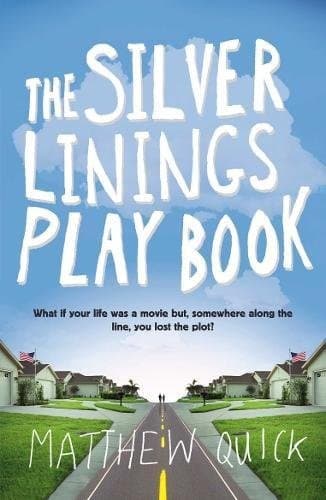
Book details and cover from Google Books.
Ready to read The Silver Linings Playbook?
Get your copy on Amazon, or listen to it on Audible. We earn a commission if you buy through these links.