
We earn a commission if you buy through these links. Learn more
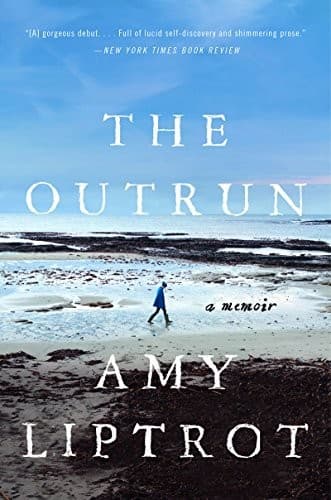
The outrun
by Amy Liptrot
Amy Liptrot's frank memoir of addiction and recovery, told through the landscapes of Orkney, shows what getting sober looks like when it is slow, messy and rooted in place.
What It's About
The Outrun is Amy Liptrot's memoir of drinking her way through her twenties in London and then trying to rebuild her life back on Orkney, the windswept islands off Scotland's northern coast where she grew up. The book moves back and forth between the city and the islands, starting from a low point and tracing how she ended up in treatment and then returned home.
The return is the heart of it. Liptrot takes on seasonal conservation work monitoring birds and wildlife on remote islands, and the book is full of close attention to weather, tides, birdsong and the sea. Her father's bipolar disorder and the pull of the family farm give the homecoming its weight, and she writes honestly about relapse and the uneven, unglamorous pace of recovery rather than offering a tidy turnaround.
Reading it feels like spending time with a sharp, observant companion. The prose is spare and sometimes lyrical, direct about shame and craving, and dryly funny. It is not a self-help book and does not offer a method; what it gives is an honest account of one life, and a sense of how much place and routine can matter when you are trying to stay upright.
Read this if you…
- Want a frank memoir about addiction that does not end on a tidy redemption note
- Are drawn to nature writing and the texture of island life
- Are interested in how family illness and home shape a person's struggles
Skip it if you…
- Want a practical recovery guide, step-by-step program or clinical advice
- Prefer fast-paced narrative or memoirs driven by dramatic events rather than reflection
Key Ideas
- 1
Recovery as a slow return to place
Liptrot treats getting well as something that happens over years and in particular surroundings, not as a single decision. Coming back to Orkney gives her routines, responsibilities and a landscape that does not revolve around drinking. The book suggests that where you live and what you do with your days can be as important as the willpower you bring to them.
- 2
Close attention to the natural world
Her birdwatching, sea swimming and observations of the island seasons are not decoration. They give her a way to focus outward when her thoughts are spiralling inward. The nature writing is precise and unsentimental, and it doubles as a record of a place changing under weather and time.
- 3
Addiction without glamour or easy redemption
The book describes drinking as lonely, repetitive and often dull, and recovery as a cycle of small wins and setbacks. Liptrot avoids turning her story into a neat arc of rock bottom and rebirth. Readers who have lived with addiction, or loved someone who has, will recognise the honesty about how messy it is.
- 4
Family, inheritance and mental illness
Her father's bipolar disorder runs alongside her own struggles, and the book explores how family illness, rural isolation and expectations about staying or leaving shape a person. These threads are handled with restraint, so the family material feels like part of her story rather than a separate case study.
Limitations
Some readers find the nature passages slow, and the fragmented structure, which jumps between periods of her life, can feel disorienting at first. The book is very specific to Orkney and to Liptrot's experience, so it offers little general guidance on addiction treatment. Its ending is open rather than conclusive, which suits the subject but may frustrate readers who want closure. It is also a personal account, not a balanced examination of alcoholism or bipolar disorder.
Questions Readers Ask
- Is The Outrun a good first memoir about addiction?
- Yes, for most general adult readers. The prose is clear and direct, and it does not rely on medical or technical language. Because it is candid about drinking without being graphic or preachy, it works well for people who want an honest personal account rather than a manual or a treatment overview.
- Do I need to know anything about Orkney to enjoy it?
- No. Liptrot explains the island landscape and community as she goes, and the book's themes of home, isolation and healing are universal. Readers who enjoy vivid place writing will find the setting a strength, though the local detail is specific enough that you may want to look at a map.
- How does it compare with other addiction memoirs?
- It is quieter and more reflective than many popular recovery memoirs. Where some focus on a dramatic turning point, The Outrun dwells on everyday life, landscape and the long middle of recovery. If you want something similar in tone, look for other memoirs that pair personal struggle with close attention to place.
- Published
- 2015
- ISBN
- 9780393609004
- Difficulty
- beginner
- Category
- Biographies
Book details and cover from Google Books.
Ready to read The outrun?
Get your copy on Amazon, or listen to it on Audible. We earn a commission if you buy through these links.