
We earn a commission if you buy through these links. Learn more
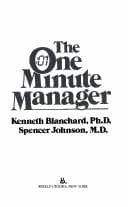
The one minute manager
by Kenneth H. Blanchard, Spencer Johnson
A short, practical fable that gives new and busy managers three habits they can use the next day: clear goals, immediate praise, and quick, direct correction.
What It's About
The One Minute Manager is a short fable from 1982 by Kenneth Blanchard and Spencer Johnson. A young man who wants to work for an effective boss sets out to find one, and the story follows his search and what he learns from a manager who gets strong results without, as far as he can tell, working himself to exhaustion. The lessons are delivered inside the narrative rather than as a lecture, which is why the whole book can be read in one sitting.
The core of the book is three practices the manager relies on: setting goals short enough to fit on a single page, giving praise right when it is earned and being specific about why, and correcting mistakes quickly while keeping a person's worth separate from their performance. The style is deliberately plain, with short sentences, repetition, and plenty of white space. Readers who expect case studies, data, or a detailed framework will find very little of that. What they get is a clear mental model they can try the next morning.
Reading it feels more like being walked through a parable than studying a management text. It is pleasant, quick, and easy to recommend to someone who has just been promoted. Its appeal lies in how little it asks of you: one evening and a handful of habits to test. Whether those habits hold up in messier situations than the ones it imagines is a question the book leaves mostly to the reader.
Read this if you…
- are a new manager who wants a practical starting point
- prefer a quick read you can finish in one sitting over a dense management text
- want a shared, simple vocabulary your team can use for goals and feedback
Skip it if you…
- want rigorous research or detailed case studies on how leadership works
- already manage a complex team and need guidance on hard conversations, performance plans, or organizational politics
Key Ideas
- 1
Goals short enough to fit on one page
The book argues that people perform better when they know exactly what is expected of them. A goal should be written briefly enough to read in about a minute and should describe what good performance looks like, so the person can check their own progress without waiting for a formal review. Clarity replaces long meetings and vague instructions. The idea is simple, but it forces a manager to decide what matters most before asking anything of anyone.
- 2
Praise immediately and be specific
Praise should come close to the behavior it recognizes and should name exactly what was done well. The authors suggest that brief, sincere recognition given often does more good than occasional large rewards, and that people who hear precisely what they did right are likely to repeat it. The practical challenge is attention: catching people doing things right takes more effort than most busy bosses bring to their days.
- 3
Correct the behavior, not the person
When something goes wrong, the correction should be quick, direct, and focused on the specific action. The book separates how someone performed from how they are valued, so the manager makes clear that the criticism concerns the deed and that the person keeps their standing. Once the correction is delivered, the matter is meant to end there, which keeps resentment from lingering and lets the working relationship recover.
- 4
Frequent contact beats occasional reviews
A recurring theme is that many management problems come from infrequent, unclear communication. Brief, regular check-ins let a manager spot trouble early and keep the relationship warm. The book treats a manager's time as something to spend in small, well-placed increments rather than in large blocks reserved for annual or quarterly reviews.
Limitations
The book is criticized for offering generic advice wrapped in a thin story, with situations that are much simpler than real workplaces. It says little about hiring, pay, team conflict, underperformance that persists, or developing people over the long term. Some readers find the goal-praise-correct routine too mechanical for jobs that depend on judgment or creativity. Written in 1982, it also predates remote work and many current expectations about feedback, so its advice needs adapting rather than copying.
Questions Readers Ask
- Is The One Minute Manager still useful today?
- Yes, as a quick introduction to clear goals and regular feedback. The core habits remain sound and are easy to apply. However, it does not address modern issues such as remote teams, psychological safety, or complex performance problems, so pair it with more recent material if your role involves those challenges.
- How does it compare to Radical Candor by Kim Scott?
- Radical Candor is longer and goes deeper into giving difficult feedback while still showing care for the person. The One Minute Manager is much shorter and more prescriptive, offering simple routines rather than a fuller philosophy. Many managers read the first as a starting point and the second as the next step.
- Do I need to read the whole book to get value from it?
- Not really. The main ideas are stated plainly and can be picked up in a single sitting. Because the book is short and the story is simple, most readers gain the core lessons quickly, and the rest of the time is spent on the narrative rather than new material.
- Published
- 1981
- ISBN
- 9780939760008
- Difficulty
- beginner
- Category
- Business
Book details and cover from Google Books.
Ready to read The one minute manager?
Get your copy on Amazon, or listen to it on Audible. We earn a commission if you buy through these links.