Reader-supported: when you buy through links on our site, we may earn an affiliate commission. Learn more

Cover of The Miseducation of Cameron Post
Buy on AmazonBuy on Bookshop.orgListen on Audible

We earn a commission if you buy through these links. Learn more

Find Similar Books

The Miseducation of Cameron Post

by Emily M. Danforth

Young Adult
★★★★★5.0 (1)

Guide by the Books of the Day editors · Updated · How we write our guides

A sharp, funny, and tender coming-of-age novel about a queer teen sent to a conversion therapy program in 1990s Montana, told without easy villains.

What Creators Say About The Miseducation of Cameron Post

2 creators reviewed The Miseducation of Cameron Post on YouTube between 2015 and 2017, with 3.3K views between them. Their opinions are their own; we picked these reviews, we didn't write them.

The Miseducation of Cameron Post | Queer Book ReviewJessi Quinn on YouTube2.2K views · 2017
The Miseducation of Cameron Post by Emily DanforthBlair's Books on YouTube1.1K views · 2015

What It's About

The Miseducation of Cameron Post follows Cam, a teenager in rural Miles City, Montana, after her parents die and she moves in with relatives who are devout and rigid. Cam is a queer girl who has learned the local art of keeping quiet, and the novel is about what happens when that silence stops working. It is a coming-of-age story first, so much of the pleasure lies in Cam's voice: wry, observant, guarded, and often funnier than the situations she is in.

Danforth moves between the everyday texture of small-town life and the more claustrophobic world of the program Cam is sent to. The book is less interested in one dramatic plot than in accumulated moments: friendships, first longings, and the slow work of noticing what the adults around you refuse to see. Religion and the language of fixing people appear often, but the novel tends to show them through the people who believe in them rather than through caricature.

Reading it is an immersive and emotionally weighty experience. It is unhurried for a young adult novel and lingers on landscape, friendship, and grief as much as on the central conflict. Readers who want a fast plot may find some stretches slow, but those who settle into Cam's perspective will likely find the pacing part of the point.

Read this if you…

  • want a queer coming-of-age novel that prizes voice and atmosphere over plot
  • are interested in how small towns and religious communities handle difference
  • like honest, funny narrators who are still working out who they are

Skip it if you…

  • need a fast-moving plot or a clear, triumphant resolution
  • want a research-driven account of conversion therapy's history or effectiveness

Key Ideas

  1. 1

    Survival as a skill learned young

    Cam learns early that blending in and leaving things alone is how a kid in a small town gets by. The book examines what that silence costs, and how it can look like maturity from the outside even when it is really fear.

  2. 2

    Grief and relief tangled together

    Cam's first reaction to her parents' deaths is relief, which she cannot say aloud. Danforth lets that guilt sit without neat resolution, which makes Cam's inner life feel honest and sometimes unflattering in ways that ring true.

  3. 3

    Conversion therapy seen from inside

    The book shows the program through its routines, its vocabulary, and the adults who believe they are helping. Readers get a clear sense of how harm can be dressed up as care, without the story turning into a lecture.

  4. 4

    Friendship that makes room for longing

    Cam's bond with Coley is central, intense, and deliberately uncertain. The novel is perceptive about the confusion of early attraction, when a friendship might be becoming something else and neither person is sure.

  5. 5

    Place shapes what can be said

    Montana's landscape, its churches, and its gossip networks all shape what Cam dares to admit to herself and others. The setting is not decoration; it is one of the forces the story keeps pressing against.

Limitations

Some readers find the middle of the book slow or repetitive, and Cam's tendency to watch rather than act can frustrate people who want more momentum. The depiction of the religious adults can feel one-note to some, though the book gives several of them more humanity than a first impression suggests. The ending is quiet and leaves some threads open, which suits the story but may disappoint readers who want closure. The novel is also a personal portrait rather than a survey, so it offers little on the broader history or science of conversion therapy.

Questions Readers Ask

Is The Miseducation of Cameron Post appropriate for teenagers?
It is published as young adult fiction and is often read by teens, but it deals frankly with adolescent sexuality, grief, and the harm of conversion therapy. Parents and younger readers may want to know that going in. Many older teens and adults find it a moving read for those reasons rather than despite them.
Does it hold up compared with other coming-of-age novels like The Perks of Being a Wallflower?
Both feature a sensitive, observant teen narrator and a focus on painful self-discovery. Danforth's book is more rooted in place and more sardonic in tone, and it is less interested in a tidy emotional arc. Readers who liked Perks for its voice will likely appreciate Cam's, though the pacing is slower.
Is it still relevant, given the setting is decades ago?
The story is set in the late 1980s and early 1990s, but the questions it raises remain current. Debates over conversion therapy continue, and in many places the practice is still legal. The novel's focus on how families and communities justify harm makes it feel timely rather than historical.
Published
2012
ISBN
9780062101969
Difficulty
beginner
Category
Young Adult

Book details and cover from Google Books.

Ready to read The Miseducation of Cameron Post?

Get your copy on Amazon, or listen to it on Audible. We earn a commission if you buy through these links.

Books Like The Miseducation of Cameron Post

View all →
Cover of Simon vs. the Homo Sapiens Agenda

Simon vs. the Homo Sapiens Agenda

Becky Albertalli

Like Cam, Simon is a teen keeping a secret from the people around him, and the story is funny and warm where Danforth's is sharper. It suits readers who want a gentler, more hopeful take on hiding who you are.

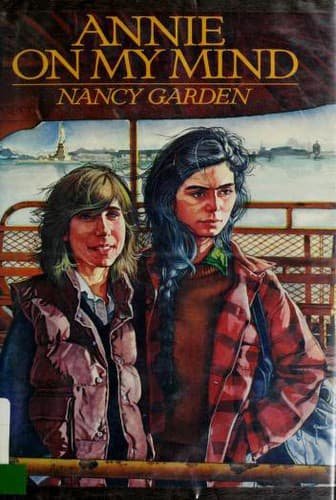
Cover of Annie on My Mind

Annie on My Mind

Nancy Garden

A classic that treats a young lesbian love story with the same seriousness and sense of risk that Danforth brings to Cam's world. Readers who valued the novel's frank depiction of what secrecy costs will recognise the tension here.

Cover of The Perks of Being a Wallflower

The Perks of Being a Wallflower

Stephen Chbosky

Narrated through letters, it follows a sensitive teen navigating family trauma and a new circle of friends. Readers who connected with Cam's watchful, self-aware voice will find a similar intimacy here.

Explore More