
We earn a commission if you buy through these links. Learn more
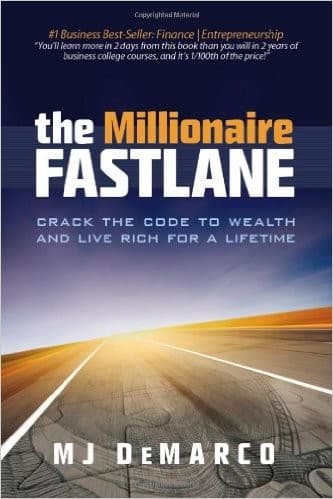
The millionaire fastlane
Guide by the Books of the Day editors · Updated · How we write our guides
A blunt, motivational case that building a business serving many people beats trading time for wages and slow market returns, though its risks are underplayed.
What Creators Say About The millionaire fastlane
2 creators reviewed The millionaire fastlane on YouTube between 2015 and 2019, with 1.4M views between them. Their opinions are their own; we picked these reviews, we didn't write them.
What It's About
The Millionaire Fastlane is a self-help finance book that argues most people follow a route to wealth that was never designed to get them there. DeMarco calls the conventional path the Slowlane: a steady job, a retirement account, and patient investing over decades. The alternative he calls the Fastlane is building a business or product that creates significant value for many customers, with wealth as the byproduct.
Reading it feels more like being lectured by an energetic mentor than studying a manual. The prose is direct, repetitive in places, and often sharp about comfort, excuses, and dependence on employers. Much of the book is spent on mindset, on how your beliefs about money, time, and risk shape the choices you make. The tone is deliberately provocative, which is part of the appeal for readers who feel stuck and part of the problem for readers who want careful analysis.
Expect motivation and a framework rather than a step-by-step business plan. Specific tactics for starting, financing, or marketing a company are thin, so the book works better as a push to reconsider your assumptions than as a guide to carrying them out. It is a quick, accessible read that can be finished in an evening or two.
Read this if you…
- feel stuck in a job and want a jolt to rethink how you earn money
- are interested in building a business and need motivation more than mechanics
- want a short, energetic read that challenges conventional retirement advice
Skip it if you…
- want detailed guidance on investing, taxes, or launching a company
- are put off by blunt, hard-driving language or get-rich-quick undertones
Key Ideas
- 1
The Slowlane trap
DeMarco argues that wages trade your hours for money, while retirement accounts depend on long time horizons, steady markets, and staying healthy and employed. In his view this route rarely produces real wealth fast enough for most people, and it asks them to postpone their lives until later.
- 2
Wealth comes from creating value at scale
The central argument is that income tied directly to your hours has a ceiling. Products, systems, or businesses that serve many customers at once let earnings grow without a matching increase in personal effort. The book pushes readers to think about leverage rather than simply working harder.
- 3
Time as the scarce resource
DeMarco treats money mainly as a tool for buying time and control over your days. Choices are judged by how much freedom they create, not by salary alone. This framing is motivating for many readers, though it can feel abstract without concrete numbers to test it against.
- 4
Mindset before money
A large share of the book targets beliefs about scarcity, comfort, and reliance on others. The argument is that these inner habits shape action more than any single financial tactic. Readers who respond to this material often find it the most useful part, while others find it repetitive.
Limitations
The book leans heavily on success stories and rarely addresses how many entrepreneurs fail, which understates real risk. Its dismissal of traditional saving and investing is broader than the evidence supports, and readers with limited income or no safety net may find the advice unrealistic. Practical details on finance, legal structure, and business operations are thin. Some readers also find the writing repetitive and the tone preachy, and the book does not age especially well in areas tied to specific online business trends.
Questions Readers Ask
- Is The Millionaire Fastlane still worth reading?
- Yes, if you want motivation and a different way of thinking about income. The core idea that time-based pay has limits remains widely discussed. Just pair it with a more cautious source on investing and business risk, since the book's optimism about entrepreneurship is not balanced by much discussion of failure rates.
- How does it compare to Rich Dad Poor Dad?
- Both push readers to think beyond a salary and build assets or income streams. The Millionaire Fastlane is more focused on starting a business and is more blunt and driven in tone. Rich Dad Poor Dad is broader in its focus on assets and financial literacy. Readers wanting practical finance basics may prefer the latter.
- Who is this book best suited for?
- It suits people who already have some financial stability and feel frustrated by slow progress in a conventional career. It is less useful for those with debt, unstable income, or no savings, who need practical budgeting and risk management first.
- Published
- 2011
- ISBN
- 9780984358106
- Difficulty
- beginner
- Category
- Finance
Book details and cover from Google Books.
Ready to read The millionaire fastlane?
Get your copy on Amazon, or listen to it on Audible. We earn a commission if you buy through these links.