
We earn a commission if you buy through these links. Learn more
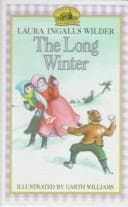
The Long Winter
A tense, close-up account of a Dakota Territory family enduring a winter of blizzards and dwindling food, told with the plain clarity that makes the series endure.
What It's About
The Long Winter is the sixth book in Laura Ingalls Wilder's Little House series, and it is the one many readers remember for sheer hardship. It follows the Ingalls family through the winter of 1880 to 1881 in De Smet, a railroad town on the Dakota Territory prairie, where a run of blizzards cut the town off from the outside world for months.
The approach is simple. The narration is third person, close to Laura, and Wilder keeps the tone matter-of-fact, so the danger arrives through small practical details rather than melodrama: how the family stretches fuel and food, how neighbors pool what they have, how people keep track of time between storms. The chapters are short and the sentences plain.
Reading it feels less like a thriller than like sitting in a warm room with a family while the wind howls outside. It is brisk, calm, and quietly tense. Adults often enjoy it as much as children, because the problem-solving is so concrete and the stakes never feel invented.
Read this if you…
- want a historical novel for younger readers that shows frontier life in practical detail
- are curious how a family coped with prairie hardship before modern heating and grocery stores
- are reading with a child and want a story that rewards slow, discussion-friendly attention
Skip it if you…
- need a fast-paced plot with cliffhangers or constant action
- want a frank adult account of settler history, including the displacement of Native peoples
Key Ideas
- 1
Ordinary resourcefulness under sustained pressure
Survival here depends less on heroics than on routines repeated day after day: rationing, mending, measuring, and finding new uses for scarce materials. The book shows how competence built from small habits can carry a household through a crisis that has no clear end date.
- 2
Community as the real infrastructure
Neighbors share what they have, and the town works together when no single household can manage alone. Wilder presents cooperation as a practical necessity rather than a sentimental ideal, which makes the social side of frontier life feel believable.
- 3
Scarcity shown through everyday arithmetic
Rather than dwelling on suffering, the book counts things: how much fuel is left, how many meals remain, how long supplies must last. That accounting gives younger readers a clear sense of what scarcity actually means in daily life.
- 4
The fragility of connection to the wider world
The town depends on the railroad and on outside supply, and the book makes clear how quickly that lifeline can fail. Readers see how isolation changes ordinary expectations about food, travel, and waiting.
Limitations
The book is told from a settler family's point of view and reflects the attitudes of its time, including a dismissive portrayal of the Native peoples whose land the town occupied and an unexamined faith in pioneer progress. Readers today may want to discuss these framings alongside the text. Its prose is deliberately plain, so some readers will find the tone flat or the emotional moments understated. As a children's book, it does not explore its characters' inner lives in depth.
Questions Readers Ask
- Can adults who haven't read the Little House series start with The Long Winter?
- Yes, although the book is richer if you have read the earlier volumes, since the family's circumstances and the town's setting build across the series. It stands reasonably well on its own, and many adults enjoy it as a quiet, unembellished portrait of hardship that holds up on a single read.
- How does The Long Winter compare with modern survival stories?
- Modern survival novels usually center on one resourceful hero facing dramatic set-pieces. The Long Winter is about a whole community doing ordinary work over months, with no villain and little action. The danger comes from weather and waiting, so readers looking for suspense may find it slow.
- Published
- 1940
- ISBN
- 9780606038461
- Difficulty
- beginner
- Category
- Children's Books
Book details and cover from Google Books.
Ready to read The Long Winter?
Get your copy on Amazon, or listen to it on Audible. We earn a commission if you buy through these links.