
We earn a commission if you buy through these links. Learn more
The Last Letter from Your Lover
by Jojo Moyes
Guide by the Books of the Day editors · Updated · How we write our guides
A warm, character-led dual-timeline novel about a 1960s woman who loses her memory and a modern journalist who uncovers the letters that might explain her life.
What Creators Say About The Last Letter from Your Lover
2 creators reviewed The Last Letter from Your Lover on YouTube between 2014 and 2016, with 8.1K views between them. Their opinions are their own; we picked these reviews, we didn't write them.
What It's About
The Last Letter from Your Lover moves between two women and two eras. In 1960, Jennifer Stirling wakes in hospital after a car accident with a gap in her memory, and she has to piece together a life she no longer recognizes. In 2003, Ellie Haworth, a journalist at a struggling local paper, is drawn into Jennifer's story through a set of old letters. The novel alternates between their perspectives, so the reader gradually assembles more of the picture than either woman can see alone.
Moyes writes in a brisk, conversational style with plenty of dialogue and short chapters. The emotional pull comes from the slow unfolding of what Jennifer has lost and why it matters. Period detail from the sixties sits alongside the more ordinary texture of modern newsroom life, so the book feels both nostalgic and current. It is a romance at heart, but it is also a story about marriage, class, and how much of a person is built from remembered experience.
Reading it feels less like solving a puzzle and more like being carried along by a friend's story. Expect some tears, some frustration with the characters' choices, and a satisfying sense of threads tightening toward the end.
Read this if you…
- enjoy dual-timeline novels that alternate between eras and reward patience
- want an emotional, character-driven romance with a mystery running underneath
- like Moyes's warm, witty voice and don't mind a few tears
Skip it if you…
- need literary experimentation or a sharp, unsentimental take on love
- find amnesia plots implausible or want a fast, plot-first thriller
Key Ideas
- 1
Memory as the foundation of identity
Jennifer's amnesia forces her to judge her former self from the outside, and she must decide whether the woman she used to be still deserves her loyalty. The novel keeps returning to whether a person without memories is the same person, and it treats that question with more emotional weight than philosophical rigor.
- 2
Two timelines that mirror each other
The 1960 and 2003 strands are built to echo one another. Both women face pressures about marriage, work, and what they are allowed to want, and the parallels make each storyline sharpen the other. Readers who enjoy watching patterns repeat across generations will find this structure rewarding.
- 3
Constrained choices for women across decades
Moyes shows how class and gender narrow the options available to women, whether in a wealthy 1960s household or a modern workplace with its own compromises. The book is more interested in how characters navigate those limits than in offering a clear critique of them.
- 4
Letters as a window into hidden lives
Written correspondence gives the story its central device, letting the past speak in a more intimate voice than narration can. The letters raise questions about what people choose to say, what they keep back, and how much an old record can reveal about the person who wrote it.
- 5
Grounded romance with dry, human humor
The romance is built on ordinary emotional stakes rather than grand gestures. Much of the appeal comes from the characters' wit and their awkward, believable reactions to difficult situations, which keeps the sentiment from tipping into melodrama for most of the book.
Limitations
Some readers find the plot leans on coincidence and that its emotional beats are signposted well in advance. The sixties strand can feel more fully realized than the modern one, and the prose is deliberately accessible rather than striking. The approach to memory loss is dramatic rather than clinical, which suits a commercial novel but may frustrate readers who want medical realism. The book is also shaped by its era's views on gender, which some readers will find dated.
Questions Readers Ask
- Is The Last Letter from Your Lover a good choice if I liked Me Before You?
- Yes, in tone and emotional register, though it is less about a single heartbreaking premise and more about a mystery spread across two timelines. Moyes's warmth, humor, and attention to ordinary people are recognizable. If you want the same intensity of moral dilemma, you may find this gentler.
- Do I need to read anything before it?
- No. It is a standalone novel and does not depend on other books by Moyes. The two timelines are introduced clearly enough that you can follow them from the opening chapters without any background reading.
- Published
- 2010
- ISBN
- 9786041031777
- Difficulty
- beginner
- Category
- Fiction
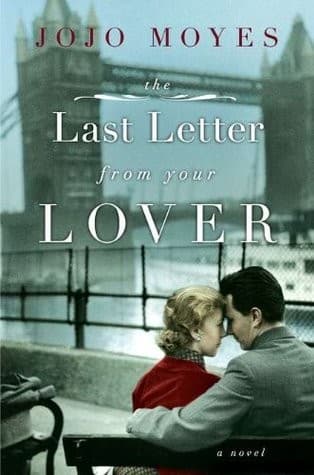
Book details and cover from Google Books.
Ready to read The Last Letter from Your Lover?
Get your copy on Amazon, or listen to it on Audible. We earn a commission if you buy through these links.