
We earn a commission if you buy through these links. Learn more
The Jefferson key
by Steve Berry
Guide by the Books of the Day editors · Updated · How we write our guides
A Cotton Malone thriller that turns early American history into a fast treasure hunt, best for readers who want momentum over literary polish.
What Creators Say About The Jefferson key
2 creators reviewed The Jefferson key on YouTube between 2012 and 2026, with 808 views between them. Their opinions are their own; we picked these reviews, we didn't write them.
What It's About
The Jefferson Key is a Cotton Malone thriller by Steve Berry, a series built around a former Justice Department operative who now runs a rare book business in Copenhagen. Malone is pulled back into danger when a hunt for a secret tied to the early American republic collides with present-day threats. The series anchor is a practical, wry man who would rather think his way out of trouble than fight, which gives the book a consistent voice from start to finish.
Berry's method is to braid historical research with modern action. The narrative moves between chases and armed confrontations in the present and the historical puzzle that drives them, so the reader gets both physical tension and a sense of what the mystery is about. The prose is brisk and plain, built on short scenes and chapter endings that push you forward. The history is the real hook: it turns archival ideas into something that feels like a treasure hunt.
Reading it feels like watching a well-made action film with a history lesson running underneath. You won't get deep character work or fine sentences, but you will get momentum and the pleasure of following clues alongside the hero. Readers who enjoy Dan Brown or Raymond Khoury will recognize the formula. Those who want something quieter will find it loud.
Read this if you…
- enjoy globe-trotting conspiracy thrillers with a historical puzzle at their core
- want a series hero you can follow through many books
- prefer momentum and clever plotting to deep character work
Skip it if you…
- want literary prose or richly developed characters
- are put off by coincidence-heavy plots and larger-than-life villains
Key Ideas
- 1
History as the engine of the plot
The story treats founding-era events, documents and political rivalries as a source of puzzles rather than as background decoration. Berry takes real figures and open questions from the period and asks what might be hiding behind them. The appeal lies in the sense that the past still holds secrets worth chasing, and the book works best when you enjoy testing how plausible each historical link feels.
- 2
Cotton Malone as a reluctant, practical hero
Malone is competent and experienced, but he isn't a superhero. He relies on knowledge, judgment and a dry sense of humor more than on brute force. That makes him easy to follow across the series and gives the action scenes a grounded feel, even when the plot stretches credibility. His relationships and past work give the books their continuity.
- 3
Pace over prose
Short chapters, regular cliffhangers and a lot of dialogue-driven movement are the book's main craft choices. The writing rarely slows for description or interiority. Readers who want a fast, clean read will find this effective, while those who value lyrical language or slow-building atmosphere may find the style thin.
- 4
Fact and invention blended on purpose
Berry mixes documented history with invented conspiracy, and the line between them is part of the entertainment. He typically explains in an author's note which parts are grounded in records and which are fiction. Reading with that distinction in mind turns the book into a gateway to further reading about the period.
Limitations
The book's critics often point to thin characterization, with supporting figures who serve the plot more than they feel like people. The plot relies on convenient timing and lucky breaks that stretch believability even for the genre. The prose is functional rather than memorable. Some readers also find the historical theories more persuasive as fiction than as history, so anyone reading for accuracy should treat the book as a starting point and check the sources it points toward.
Questions Readers Ask
- Do I need to read the earlier Cotton Malone books first?
- Each book is designed to work on its own, so you can start here without confusion. Recurring characters and Malone's backstory will land more strongly if you read the series in order, but you won't be lost. If you enjoy this one, the earlier installments fill in the context for his relationships and past work.
- How does it compare to Dan Brown?
- The two share a fast pace, short chapters and a hero who unravels historical clues under pressure. Berry's books tend to focus more on American political history and government secrecy, while Brown leans on art, symbols and religious history. If you liked the puzzle-driven momentum of Brown, this will probably suit you.
- Is the history in The Jefferson Key accurate?
- The book is anchored in real people, documents and events, but the central conspiracy is invented. Treat it as historical fiction that uses real material to build a story. Berry's author's note is the best guide to what is factual, and checking a reliable history of the period will help separate the two.
- Published
- 2011
- ISBN
- 9780345505514
- Difficulty
- beginner
- Category
- Fiction
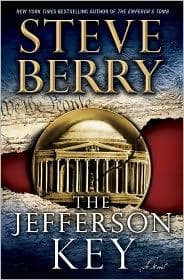
Book details and cover from Google Books.
Ready to read The Jefferson key?
Get your copy on Amazon, or listen to it on Audible. We earn a commission if you buy through these links.