
We earn a commission if you buy through these links. Learn more
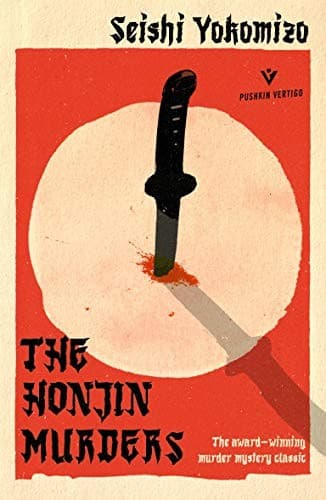
The Honjin Murders
A snowbound wedding-night murder and a patient, fair-play puzzle make this 1946 classic the best entry point into the beloved Kosuke Kindaichi series.
What It's About
The Honjin Murders, first published in Japan in 1946, introduces Kosuke Kindaichi, the scruffy, unconventional detective who carries much of Seishi Yokomizo's later work. The story is set in a remote village in Okayama Prefecture in the late 1930s, after heavy snowfall, and begins with a newlywed bride found dead on her wedding night. The crime seems to defy simple explanation, and the rest of the book is a patient effort to work out how it could have happened.
What makes the novel distinctive is its attention to the world around the crime. Yokomizo spends a lot of time on family ties, village rumour, old grudges, and the rigid expectations placed on a wealthy household and its marriages, so the mystery doubles as a portrait of a community. The clues are laid out on the page and the logic is the point, which makes this a book to read with a sharp memory or a notebook. The English edition, translated by Louise Heal Kawai, reads smoothly.
The pace is measured rather than breathless. Long stretches of interviews and reconstruction can feel slow to readers used to modern thrillers, but the atmosphere of cold, isolated houses and the quirks of Kindaichi himself keep it engaging. Expect a classic whodunit built on fair play, with a tone that is more wry and melancholy than tense.
Read this if you…
- enjoy classic whodunits where the solution rewards close attention
- want an entry point into postwar Japanese crime fiction
- like detectives who are eccentric and humane rather than hardboiled
Skip it if you…
- need fast pacing and constant cliffhangers
- want a gritty, graphic crime novel with modern psychological depth
Key Ideas
- 1
A puzzle built on fair-play clues
The book treats the reader as a co-investigator. The information needed to solve the case is given on the page, and much of the satisfaction comes from reassessing details that first seemed obvious or unimportant. Rereading key passages after the solution is part of the fun.
- 2
Family honour and the weight of tradition
Marriage in this setting is bound up with family standing, reputation, and property. The crime exposes how much those expectations shape what people are willing to hide, and how a household's pride can become a motive in its own right.
- 3
Village life as a web of gossip
In a small community, rumours and old resentments mean nearly every witness has a stake in the outcome. The investigation becomes a study of how close-knit places remember, distort, and conceal, and why trusting testimony is harder than it sounds.
- 4
Kindaichi as an unconventional detective
Kindaichi is an odd, dishevelled figure who relies on careful observation and an unusual manner rather than force or authority. His humanity and humour give the book its warmth and distinguish the series from more hardboiled crime fiction.
Limitations
The pace is deliberate, and long passages of questioning and reconstruction can feel repetitive to readers who expect tight modern plotting. The cast is sizeable, and keeping track of family relationships and village connections takes effort. Some attitudes toward women, marriage, and social class reflect the period in which the book was written and may feel dated. The puzzle mechanics are central, so readers who care most about character interiority may find the characterisation thinner than they would like.
Questions Readers Ask
- Do I need to read the Kindaichi books in order?
- Not strictly. Each novel mostly stands on its own, but The Honjin Murders is the first in the series and introduces Kindaichi and his background, so starting here gives you the most context and makes later books more rewarding.
- How does it compare to Agatha Christie?
- Both are classic whodunits built on fair-play clues and a gathering of suspects. Yokomizo's novel is more deeply rooted in Japanese family customs and rural life, and its emotional tone is quieter and more melancholy than many of Christie's country-house mysteries.
- Is it still worth reading today?
- Yes, if you enjoy puzzle-driven crime fiction. The plotting holds up well, and the book offers a window into prewar and wartime-era Japanese society. Its pacing and some period attitudes may feel unfamiliar, but the central puzzle remains engaging.
- Published
- 2020
- ISBN
- 9781867552550
- Difficulty
- intermediate
- Category
- Mystery & Thriller
Book details and cover from Google Books.
Ready to read The Honjin Murders?
Get your copy on Amazon, or listen to it on Audible. We earn a commission if you buy through these links.