
We earn a commission if you buy through these links. Learn more
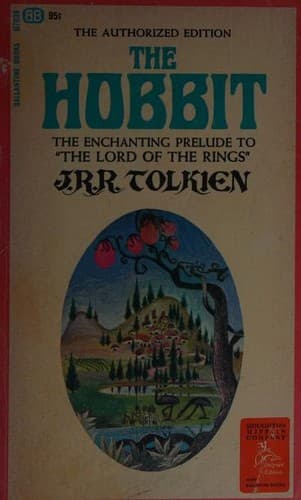
The Hobbit
On screen: The Hobbit: An Unexpected Journey (film, 2012) · The Hobbit: The Desolation of Smaug (film, 2013) · The Hobbit: The Battle of the Five Armies (film, 2014)
Guide by the Books of the Day editors · Updated · How we write our guides
A warm, funny adventure that still holds up as the gentle entry point to Tolkien's larger world, with a reluctant hero who is easy to root for.
What Creators Say About The Hobbit
2 creators reviewed The Hobbit on YouTube between 2021 and 2023, with 461K views between them. Their opinions are their own; we picked these reviews, we didn't write them.
What It's About
The Hobbit follows Bilbo Baggins, a comfortable and rather timid country dweller who is recruited by the wizard Gandalf and a company of dwarves to help reclaim a treasure guarded by a dragon. Bilbo is no warrior, and much of the book's appeal comes from watching a homebody discover he has more nerve, and more cleverness, than he expected. The journey takes him through forests, mountains, and underground tunnels, with trolls, goblins, giant spiders, and a riddle contest that stands out as one of the book's best set pieces.
Tolkien tells the story in a conversational voice. The narrator speaks to the reader directly, makes jokes, comments on what might happen next, and slips in cozy asides that make the book feel read aloud at a fireside. The prose is plain and brisk for a fantasy novel, and the pacing is episodic: each stop on the road works close to a self-contained episode, which suits bedtime reading and keeps momentum up. Songs and poems appear regularly, some comic and some elegiac.
Reading it feels less like entering a dense epic and more like being welcomed into a world. The tone moves between humor and sudden seriousness, and the book gradually turns toward larger questions about greed, courage, and what it costs to leave home. It is a fairly short read and a good first Tolkien if you want a taste before committing to the much longer The Lord of the Rings. Many adults find it charming on a second reading because the wit lands differently.
Read this if you…
- want a warm, funny adventure that works for both children and adults
- are new to Tolkien and want a gentler entry point than The Lord of the Rings
- enjoy stories told aloud, with a friendly narrator, songs, and plenty of riddles
Skip it if you…
- need fast, constant action or grim, morally complicated characters
- expect the dense invented history and heavy mythic tone of The Lord of the Rings
Key Ideas
- 1
An unlikely hero who grows into courage
Bilbo's arc from comfort-loving to resourceful is the emotional center of the book. It treats bravery as something ordinary people find under pressure rather than something they are born with, and that idea gives the adventure its heart.
- 2
A narrator who keeps the reader close
The chatty, direct-address narrator is the book's most distinctive feature. The tone makes a sweeping quest feel shared and personal, as if an old friend were telling the story, and it shapes how the wonder and danger land.
- 3
Greed and the pull of treasure
The dragon's hoard and the dwarves' longing for their lost home show how wanting something can warp loyalty and judgment. Beneath the cheerful surface, the book gives this theme more moral weight than readers often expect.
- 4
Wit as a weapon against strength
Bilbo wins most of his victories through quick thinking, riddles, and small tricks rather than force. The riddle exchange and the escapes along the road make a steady case that cleverness and kindness can matter as much as swords.
Limitations
Some critics note that the dwarves are thinly drawn and that the cast is mostly broad types rather than fully developed people. The episodic structure means the middle can feel like a string of encounters rather than a building plot. The narrator's jokes and asides, which many readers love, can strike others as twee or dated. Modern readers also sometimes notice dated attitudes in how certain characters and peoples are described. The book is also lighter than its sequel, so readers wanting high stakes and darker emotional weight may feel it holds back.
Questions Readers Ask
- Is The Hobbit still worth reading today?
- Yes. It remains one of the most read fantasy novels in English, and its humor, pacing, and memorable set pieces have aged well. Some of its narrative asides and a few depictions of characters feel dated by modern standards, but the core adventure still works for new readers.
- Should I read The Hobbit before The Lord of the Rings?
- It is not required, since the story stands on its own, but it is a helpful starting point. It is shorter, lighter in tone, and gives you the world, the characters, and the Ring's origins in a gentler way. Many readers start here and then move on to the longer trilogy.
- Is The Hobbit suitable for children?
- Yes. It was written with young readers in mind, and many families read it aloud. The violence is mostly brief and the vocabulary is rich but accessible, so it works well for confident readers around nine and up. Adults tend to enjoy it just as much.
- Published
- 1937
- ISBN
- 9785878600125
- Difficulty
- beginner
- Category
- Fantasy
Book details and cover from Google Books.
Ready to read The Hobbit?
Get your copy on Amazon, or listen to it on Audible. We earn a commission if you buy through these links.