
We earn a commission if you buy through these links. Learn more
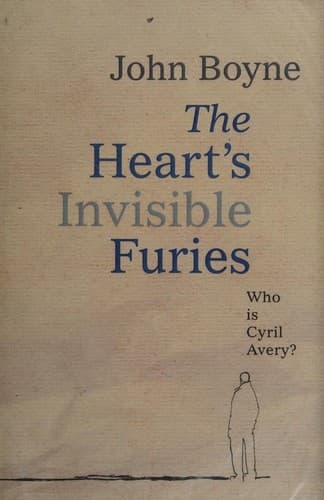
The Heart's Invisible Furies
by John Boyne, Jordi Cussà Balaguer
A warm, wry, heartbreaking saga of one Irish man's decades-spanning search for a place to belong, told by a narrator who is as funny as he is wise.
What It's About
The Heart's Invisible Furies follows Cyril Avery from his birth in Dublin in 1945 to 2015. He is the child of an unmarried young woman who is sent away, and he is adopted by a wealthy couple more concerned with reputation than with him. Long before he understands who he is, Cyril learns that being himself in mid-century Ireland carries real costs.
Boyne tells the story through a narrator who is wry, digressive, and fond of asides, sometimes stepping back to comment on what the reader should notice. That voice keeps a long and often painful story from becoming bleak. The book moves across decades and countries, with much of the middle spent away from Ireland, and it tracks how religion, law, and family pressure shaped gay lives across the twentieth century, including the arrival of the AIDS crisis.
Reading it feels more like settling into a long family saga than chasing a plot. Some stretches are comic and sharp, others tender or devastating, and the pacing is unhurried. Its emotional payoff depends on patience with the sprawl and with a narrator who sometimes lingers on his own opinions. Readers who want a lean, tightly plotted novel may find it indulgent. Readers who like big, character-driven stories usually find it hard to put down.
Read this if you…
- enjoy long, character-driven novels that span many decades
- are interested in Irish social history seen through one person's life
- want a funny, warm narrator who can also break your heart
Skip it if you…
- want a fast plot or a short, tightly edited novel
- prefer fiction without a strong authorial voice commenting on the story
Key Ideas
- 1
Secrecy as a way of life
The book shows how hiding a central part of yourself stops being a single decision and becomes a daily habit. It shapes friendships, marriages, career choices, and the way Cyril relates to his own family. Secrecy here is less a plot device than the texture of an entire life, and the novel is patient about how much it costs over time.
- 2
Chance and the shape of a life
Accidents of birth, adoption, timing, and who happens to be in the room when it matters all push Cyril in directions he did not choose. The novel keeps asking whether a life is something a person makes or something that is done to them, and it refuses to give a simple answer. Readers who enjoy fiction that examines fate and free will will find plenty to think about.
- 3
Church, law, and respectability in Ireland
Institutions and social reputation policed sexuality and unmarried motherhood with real force in the mid-twentieth century. Boyne uses Cyril's life to show how those pressures worked on ordinary families, and how slowly and unevenly they gave way. The historical sweep is one of the book's strongest qualities, even when it is handled through personal rather than documentary detail.
- 4
Humour as a way of carrying grief
The narrator's wit is not decoration. It is a way of handling loss, humiliation, and the absurdity of social rules, and it lets the book move from comedy to real sorrow without feeling false. Many readers find that the jokes make the heartbreak land harder, because the reader has been laughing alongside the character before the mood darkens.
Limitations
The book's length and sprawl are its most common complaint. Some readers find the narrator's asides and opinions heavy-handed, especially in the middle sections. A few supporting characters are sketched more than developed, and the romantic episodes can feel like a sequence of encounters rather than sustained relationships. Its portrait of Ireland centres on a particular kind of middle-class and urban experience, so it is not a survey of the whole country. Readers should expect a sincere, sometimes sentimental book rather than a restrained one.
Questions Readers Ask
- Is The Heart's Invisible Furies a good starting point for John Boyne?
- It can be, if you enjoy big, emotional novels. Boyne is best known for The Boy in the Striped Pajamas, which is much shorter and more focused. This book is longer, more discursive, and more personal in tone, so it suits readers who want to see a wider range of his work. If you prefer tight plots, you may find the shorter novels a better first step.
- Is the book still relevant given how much Ireland has changed?
- Yes, though it reads partly as a historical novel now. Ireland has changed a great deal since the period it covers, including the legalisation of same-sex marriage in 2015. The book's themes of secrecy, family expectation, and the cost of hiding who you are still resonate, and many readers value it as a record of how recently those conditions existed.
- Published
- 2017
- ISBN
- 9780857523488
- Difficulty
- intermediate
- Category
- Fiction
Book details and cover from Google Books.
Ready to read The Heart's Invisible Furies?
Get your copy on Amazon, or listen to it on Audible. We earn a commission if you buy through these links.