
We earn a commission if you buy through these links. Learn more
The Hazel Wood
Melissa Albert's YA novel pulls a teen into her reclusive grandmother's dark fairy-tale world. Who it suits, where it stumbles, and what to read next.
What It's About
The Hazel Wood follows Alice Proserpine, a teenager who has spent most of her life moving from place to place with her mother, Ella, hiding from the world her famous grandmother built. That grandmother wrote a cult collection of dark fairy tales, and some readers have treated them as more than fiction. When Ella is taken, Alice sets out for the estate called Hazel Wood and the stories that shaped her family.
The book works as part mystery, part quest, and part reflection on fandom and inheritance. Alice is prickly and funny, and the narration trusts her voice. The prose leans on folklore motifs: bargains, thorns, woods that swallow people, and tales that bend the lives of anyone who hears them. Expect a slow opening and a long middle built more on atmosphere and unease than on constant action.
Reading it feels like walking through a fairy tale that knows it is one, with dread around most corners and secrets that unspool in layers. Because it is written for young adults, the emotional stakes center on family and growing up. It is creepy and violent in places, but it stays more unsettling than gory, and it does not demand adult-level complexity from its characters.
Read this if you…
- love modern, unsettling fairy tales with a sharp, grounded teen narrator
- want a mystery that unfolds through atmosphere and family secrets rather than fast action
- enjoy fantasy where fandom, storytelling, and inherited reputation are part of the plot
Skip it if you…
- need quick plotting and clear answers, since the middle lingers and the mythology stays murky
- find dark young adult fiction too bleak or prefer fantasy with no romance or cruelty
Key Ideas
- 1
Fairy tales with teeth
The stories here are not comforting bedtime material. Albert treats old-world fairy-tale logic seriously, with its bargains, debts, and punishments for careless wishes. The tales are dangerous artifacts that shape the people who read them, and that unease runs through the whole book.
- 2
Inheriting a story, not just a name
Alice inherits more than a family surname. She inherits a body of work, public expectations, and a reputation she never asked for. The book asks what it means to be defined by someone else's imagination, and whether you can step outside a legacy you never chose.
- 3
Fandom that crosses into obsession
Devoted readers in the novel go far beyond admiration. They dig through the author's life and treat fiction as a map to something real. Albert uses this to explore how fans can pressure creators and how the line between a story and a belief can blur.
- 4
Mothers, daughters, and running away
The strongest emotional thread is the bond between Alice and Ella. Their history of flight, secrecy, and half-truths drives much of the plot. Alice's search for her mother is also a search for the reasons behind a lifetime of choices she did not fully understand.
Limitations
The middle section can drag as the mystery pauses for mood and backstory. The rules of the Hinterland, the magical world at the heart of the story, are intentionally vague, which some readers will find frustrating rather than eerie. Secondary characters are thinner than Alice, and a few threads are left open. Readers hoping for a tight, fully resolved fantasy may feel the ending is more suggestive than satisfying.
Questions Readers Ask
- Is The Hazel Wood only for teenagers?
- It is written as young adult fiction, so the prose and structure are accessible. Adults who enjoy dark fantasy and fairy-tale retellings often find it engaging. It is less dense than adult literary fantasy, so readers wanting intricate worldbuilding or complex prose may find it lighter than expected.
- What should I read next if I liked it?
- If you enjoyed the dark, reworked fairy tales, Angela Carter's The Bloody Chamber is a classic next step. For a more modern, eerie YA option with a strong sense of place, Neil Gaiman's Coraline offers a similar mix of wonder and dread in a shorter read.
- Is the book scary?
- It is unsettling more than outright horror. Expect creepy imagery, dark fairy-tale menace, and some violence. Most of the fear comes from atmosphere and uncertainty about who can be trusted, rather than from graphic gore.
- Published
- 2017
- ISBN
- 9781427293534
- Difficulty
- beginner
- Category
- Fiction
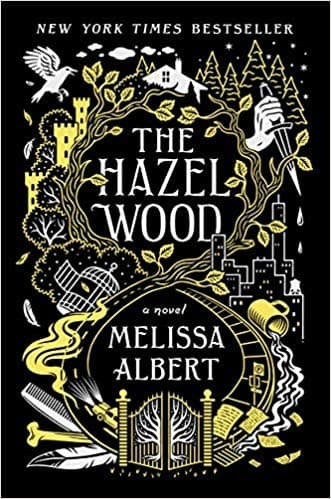
Book details and cover from Google Books.
Ready to read The Hazel Wood?
Get your copy on Amazon, or listen to it on Audible. We earn a commission if you buy through these links.