
We earn a commission if you buy through these links. Learn more
The Great Alone
Guide by the Books of the Day editors · Updated · How we write our guides
Kristin Hannah's emotionally charged novel follows a teenager whose family's escape to the Alaskan wilderness becomes a test of survival, love, and what home really means.
What Creators Say About The Great Alone
2 creators reviewed The Great Alone on YouTube between 2018 and 2025, with 18.4K views between them. Their opinions are their own; we picked these reviews, we didn't write them.
What It's About
The Great Alone follows thirteen-year-old Leni Allbright, whose father, a former prisoner of war, has never fully recovered from what he endured. Hoping for a fresh start, he moves the family to a remote piece of land in Alaska. The early chapters are about the thrill of a new place: the hunting and fishing, the extremes of the seasons, and Leni's first sense that the wilderness can be both a gift and a threat.
Hannah writes in a warm, emotionally direct style, staying close to Leni's perspective, so the household's shifting moods arrive the way a young person would feel them: hopeful one season, frightening the next. Much of the book's power comes from the gap between what Leni sees and what the adults around her will admit. The prose leans toward big set pieces and vivid landscape, and it is unabashedly melodramatic in places.
Reading it feels like being carried along quickly. It is a page-turner that rewards patience with the family dynamics more than with plot mechanics. Expect a lot of feeling, some hard subjects handled with directness, and a story that cares more about endurance than subtlety.
Read this if you…
- Want a family drama with a strong teenage narrator and high emotional stakes
- Enjoy sweeping, nature-heavy settings that play a real role in the story
- Are drawn to novels about resilience, loyalty, and hard choices inside a family
Skip it if you…
- Prefer subtle, understated fiction or find melodrama hard to enjoy
- Want a neatly plotted story with few coincidences or dramatic turns
Key Ideas
- 1
Trauma that travels into the home
The father's war damage shapes every room of the house. Hannah shows how untreated trauma can look like charm one day and volatility the next, and how a family learns to read someone's moods as a survival skill. The book treats his suffering seriously while never letting it excuse what it does to the people he loves.
- 2
Wilderness as beauty and menace
The Alaskan landscape is written as both breathtaking and unforgiving. Its long summers feel like freedom and its winters like confinement. Hannah uses the environment as a mirror for the family's emotional life, so the land never feels like neutral scenery but like a force that tests everyone who lives on it.
- 3
Community as a fragile refuge
Outside the house, the small town offers both help and judgment. The book asks what neighbors owe one another when private troubles spill into public view, and how isolation can make a family both safer and more exposed. Its portrait of a close-knit place is one of the story's quieter strengths.
- 4
Coming of age under pressure
Leni is forced to grow up faster than her age allows, taking on responsibilities and hard truths that most adults would rather avoid. The novel is at its most absorbing when it follows her attempts to understand her parents as flawed people rather than as the heroes or villains she first imagines.
Limitations
Critics often point to the book's heavy emotional pitch, which can feel relentless, and to plot developments that lean on convenient timing. Some readers find the characterization of the father more sympathetic than the narrative fully earns. The Alaska setting is rendered vividly, but the book is less interested in the practical realities of homesteading or the wider social history of the place than in the family at its center. The novel is also very much a work of popular fiction, so readers wanting literary restraint may find it too big in tone.
Questions Readers Ask
- Who is The Great Alone best for?
- It suits readers who enjoy emotionally intense family stories and don't mind a big, sweeping style. It works well for adults who like coming-of-age narratives told from a young narrator's view, and for readers who enjoy novels where the setting carries real weight. It is less suited to those who want quiet, spare prose or a story that avoids dramatic peaks.
- Is The Great Alone still worth reading today?
- Yes, if you want an absorbing, character-driven novel about trauma, family loyalty, and survival. Its core themes are timeless, and the emotional storytelling still holds up. Readers should go in expecting strong feeling and dramatic momentum rather than a precise historical portrait of the period.
- What should I read if I want something similar?
- If you like the emotional sweep and wilderness setting, try Jack London's Call of the Wild for a classic take on nature as a test of character. For a more contemporary family drama with similar stakes, Hannah's own The Nightingale is a natural next step, though it covers very different historical ground and a different kind of heroine.
- Published
- 2018
- ISBN
- 9789579439428
- Difficulty
- beginner
- Category
- Fiction
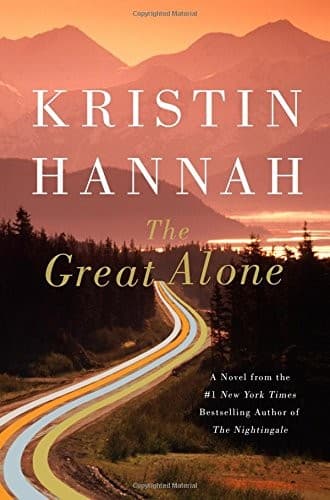
Book details and cover from Google Books.
Ready to read The Great Alone?
Get your copy on Amazon, or listen to it on Audible. We earn a commission if you buy through these links.