
We earn a commission if you buy through these links. Learn more
The girl who could fly
A gentle middle-grade novel about a young girl, a stubborn belief in herself, and the courage it takes to keep hoping, best for younger readers who enjoy warm, hopeful stories.
What It's About
The Girl Who Could Fly appears to be a middle-grade novel built around a young protagonist who holds onto a big, almost impossible idea about herself. Much of the story seems to turn on the gap between what she wants to believe and what the people and places around her will allow. I know this book only partially, so treat the details here as a general guide rather than a full map of its plot.
The approach is warm and direct, the kind of storytelling aimed at readers who are still working out how they fit into their families, friendships, and communities. Expect short chapters, a close focus on one child's inner life, and a steady emotional tone rather than heavy twists or complicated structure. The pleasure is in watching a character grow more confident and more honest with herself.
Reading it feels like spending time with a hopeful narrator who takes wonder seriously. Adults may notice how simply it handles big feelings such as disappointment, loyalty, and fear. It works best as a read-aloud or an independent first novel, and it rewards readers who like stories where imagination and everyday life sit side by side.
Read this if you…
- want a warm, hopeful middle-grade novel to read or share aloud
- enjoy stories about a child's inner confidence and self-belief
- are looking for a gentle first novel for a young reader who likes dreamy, imaginative books
Skip it if you…
- want fast-paced adventure or a plot full of twists
- are an adult looking for a challenging, layered literary novel
Key Ideas
- 1
Belief as a source of courage
The central pull of the book is the idea that a strong belief, even one others doubt, can carry a young person through uncomfortable moments. The story treats that conviction with sympathy rather than mockery, asking readers to consider when hope is healthy and when it needs to meet reality.
- 2
Growing up through small disappointments
Much of the emotional work happens in ordinary setbacks rather than dramatic events. The book shows a child learning that dreams can be tested without being abandoned, and that adjusting a goal is not the same as giving up on yourself.
- 3
Family and community as a backdrop
The protagonist's world is shaped by the adults and peers around her, who offer both support and friction. The book pays attention to how people who love a child can still misunderstand what she needs, which gives the story its quiet tension.
- 4
Imagination in everyday life
Wonder and play are presented as real tools for making sense of hard feelings. Readers who enjoy books where a child's inner world is vivid and taken seriously will find this a recurring strength of the storytelling.
Limitations
Because the book is aimed at younger readers, its emotional range and plotting are deliberately simple. Some adults may find the resolutions tidy or the lessons spelled out more than they would like. Its focus on one child's point of view means secondary characters can feel less developed. The tone is sincere rather than sardonic, which suits its audience but may feel sweet to readers who prefer grit. Readers should also be aware that this review is based on partial knowledge of the text, so check the publisher's description for specific content and age guidance.
Questions Readers Ask
- Who is The Girl Who Could Fly best for?
- It suits children roughly in the middle-grade range, and adults reading with them or looking for a gentle, hopeful story. It is most rewarding for readers who enjoy imaginative characters and warm family dynamics. Readers who want sophisticated prose or complex adult themes will likely find it too light.
- Is the book still worth reading today?
- Its themes of self-belief, disappointment, and friendship are timeless, so it remains a reasonable choice for young readers. Its tone is sincere and somewhat old-fashioned, which some families will appreciate and others may not. Checking a recent edition's description is a good idea before buying.
- What should I read if I liked it?
- If you enjoy a child protagonist with a strong inner life, try other middle-grade novels that balance whimsy with honest emotion. Readers who want a similar sense of wonder might also explore classic children's fantasy, which tends to pair imagination with real-world stakes.
- Published
- 2008
- ISBN
- 9780312602383
- Difficulty
- beginner
- Category
- Education
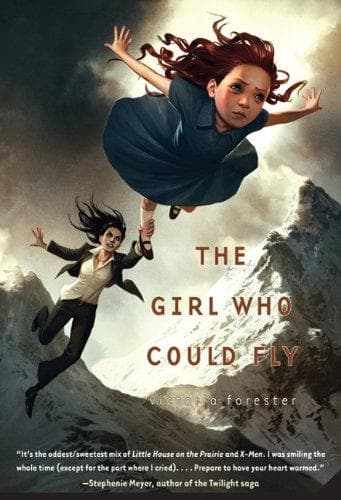
Book details and cover from Google Books.
Ready to read The girl who could fly?
Get your copy on Amazon, or listen to it on Audible. We earn a commission if you buy through these links.