
We earn a commission if you buy through these links. Learn more
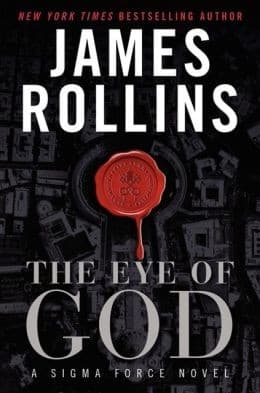
The Eye of God
A fast, science-tinged action thriller for readers who want momentum and globe-trotting stakes more than deep characterization or literary nuance.
What Creators Say About The Eye of God
2 creators reviewed The Eye of God on YouTube between 2013 and 2015, with 7.9K views between them. Their opinions are their own; we picked these reviews, we didn't write them.
What It's About
The Eye of God is a thriller by James Rollins, an author best known for fast-paced action-adventure novels that braid together science, history, and high-stakes conspiracy. Rollins is a prolific genre writer, and his books usually follow a small team of capable specialists racing across the globe to stop a threat bigger than any one government. This is the kind of book you read for momentum rather than for argument.
Because this page relies mainly on the publisher-level description and my general knowledge of Rollins's work rather than a detailed memory of this specific text, I keep my claims about this novel general. What readers can expect from his fiction is short chapters, frequent scene breaks that end on a hook, and expository asides that explain a scientific or historical idea just before it becomes plot-critical. The prose is functional rather than ornate; the pleasure lies in pacing and in the sense that the author has done his research.
The experience is best described as a page-turner you can finish in a few sittings. Characters are drawn with broad strokes and a clear sense of duty, and emotional stakes come more from danger to people than from interior complexity. If you want literary nuance, you will find less here. If you want a book that keeps you reading past your bedtime, the form is built for that.
Read this if you…
- enjoy fast, plot-driven thrillers with little time spent on lengthy description
- like adventure stories that blend real places and history with speculative science
- want an easy, escapist book for a long flight or a quiet weekend
Skip it if you…
- want character-driven fiction where interior life and moral complexity drive the story
- dislike conspiracy plots or stretched scientific premises that prioritize pace over plausibility
Key Ideas
- 1
Science and history as the plot engine
Rollins typically uses real scientific questions and historical artifacts as the reason the story moves. Ideas are introduced in digestible doses, so you learn something while the plot pushes forward. The appeal is the feeling that the premise could almost be true, which keeps speculative material grounded enough to be enjoyable.
- 2
Capable teams under pressure
Rollins's protagonists are usually specialists with particular skills who work together against a deadline. Much of the satisfaction comes from watching competent people solve problems in tight spaces. Individual personalities are sketched quickly, so the group's shared competence matters more than any one character's inner life.
- 3
Short chapters built around cliffhangers
The structure is designed for momentum. Scenes are brief, switch locations often, and frequently stop at a moment of danger or revelation. This makes the book easy to read in short bursts, though some readers find the constant switching tiring over a long session.
- 4
Conspiracy as a question of hidden power
Like much of the genre, the story treats secret agendas and institutional cover-ups as the source of danger. Readers who enjoy this tradition will recognize its familiar shape: a truth that someone powerful wants buried. The treatment is more about tension and suspense than about political analysis.
Limitations
Common criticisms of Rollins's fiction include thin characterization, formulaic structure, and science that bends to serve pace. Some readers find the dialogue functional and the villains predictable. The book does not offer deep historical analysis, since its history serves the story, so verify facts yourself if accuracy matters to you. Because I am less certain of this title's specifics than of the broader body of work, treat this as a general assessment and check recent reader reviews for detail.
Questions Readers Ask
- Do I need to read other James Rollins books first?
- Not necessarily. Rollins's thrillers are generally written so a new reader can follow the premise without earlier books, though series novels reward readers who already know the recurring characters. If this title belongs to a series, starting with the first book is the safest route. Check the publisher listing for series order before buying.
- How does it compare to Dan Brown?
- Both write fast thrillers that use history and science as hooks, and both favor short chapters. Rollins tends to lean toward action and team-based missions, while Brown puts more weight on symbol-hunting and puzzles. Readers who enjoy one usually find the other easy to pick up.
- Published
- 2013
- ISBN
- 9780061784804
- Difficulty
- beginner
- Category
- Fiction
Book details and cover from Google Books.
Ready to read The Eye of God?
Get your copy on Amazon, or listen to it on Audible. We earn a commission if you buy through these links.