
We earn a commission if you buy through these links. Learn more
The Bridges of Madison County
On screen: The Bridges of Madison County (film, 1995)
Guide by the Books of the Day editors · Updated · How we write our guides
A brief, plain-spoken novel about four days that test a quiet marriage, worth reading for its candor about desire, duty, and the lives we don't choose.
What Creators Say About The Bridges of Madison County
2 creators reviewed The Bridges of Madison County on YouTube between 2013 and 2016, with 60.4K views between them. Their opinions are their own; we picked these reviews, we didn't write them.
What It's About
The Bridges of Madison County is a short novel from 1992 about Francesca Johnson, an Italian-born woman who has spent years on a farm in Iowa. When her husband and children leave for a few days, she meets Robert Kincaid, a photographer who has come to document the covered bridges of the county. The story is framed as the discovery, after Francesca's death, of notebooks and letters that tell what happened, so the book opens with the feeling of looking back at something private.
Waller writes in a spare, direct voice, with long reflective passages about memory, land, and the decisions people make to stay in a life. Much of the book is interior: Francesca's thoughts about her marriage, her past in Italy, and what she has given up, set against Kincaid's restless history. The prose relies on simple images and repetition, and it moves quickly because the action is concentrated into a few days.
Reading it is less like following a plot than sitting with a confession. It is short enough to finish in an evening, and it asks you to feel the weight of a choice rather than be surprised by one. Some readers find it deeply tender; others find the dialogue and sentiment heavy. Either way, it is a book about intensity inside an ordinary life.
Read this if you…
- want a short, emotionally direct novel you can finish in one sitting
- enjoy quiet stories about middle-aged love and the choices that shape a life
- are curious about the 1990s bestseller phenomenon and how it reached so many readers
Skip it if you…
- want fast plot, suspense, or a story driven by external events
- find sentimental dialogue and idealized romance hard to get through
Key Ideas
- 1
A good marriage that feels unfinished
Francesca's life with her husband is steady and decent, but it has left her emotionally unmet. The novel is less interested in villains than in how a sensible life can still leave someone hungry. Readers will notice how carefully it separates duty, affection, and longing without treating any one as simply right or wrong.
- 2
Memory as a way of keeping a life
The framing device of letters and notebooks makes the whole story an act of remembering. Waller uses this to suggest that people often understand their own choices only in retrospect, and that the record we leave behind can be as shaped by feeling as by fact.
- 3
Ordinary places made meaningful by attention
Kincaid's photography and the covered bridges give the book a recurring image of things that are old, plain, and about to disappear. The book treats careful looking as a form of respect, and it uses that idea to make a rural county feel like a place where something important can happen.
- 4
The cost of the life not chosen
At its core, the novel asks what we owe to the people who depend on us and what we owe ourselves. It presents the question as a real dilemma, with losses on every side, which is why many readers stay with it long after finishing.
- 5
Deliberately plain, emotional prose
Waller's style is simple, sometimes blunt, and often sentimental. That plainness is part of the experience: the book reads like something written by hand, close to speech. It will feel either intimate or overwrought depending on how much you trust that voice.
Limitations
Critics have often faulted the book for its sentimental language, stock phrasing, and idealized portrait of a love affair. Some find the male lead too neatly drawn as a romantic figure, and the secondary characters receive little depth. The book also reflects the gender assumptions of its setting, with a 1960s farm marriage presented with little challenge. It does not explore the wider community or the practical consequences of its central choice in much detail.
Questions Readers Ask
- Is The Bridges of Madison County mainly a love story?
- Yes, but it is also a book about marriage, regret, and the decisions people make about where they belong. The romance is intense and brief, and much of the emotional weight comes from what the characters feel they must give up. If you want a light romance, it may feel heavier than expected.
- How does it compare to Nicholas Sparks?
- Both novels lean on emotional sincerity and a central romance that feels larger than the setting. Waller's book is shorter and more reflective, and its story is told through memory and letters. Readers who like Sparks's emotional directness will likely connect with it, though the tone is quieter.
- Published
- 1992
- ISBN
- 9780759592346
- Difficulty
- beginner
- Category
- Fiction
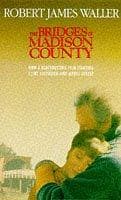
Book details and cover from Google Books.
Ready to read The Bridges of Madison County?
Get your copy on Amazon, or listen to it on Audible. We earn a commission if you buy through these links.