
We earn a commission if you buy through these links. Learn more
The Bloody Chamber
Angela Carter's sensual, unsettling retellings of Bluebeard, Beauty and the Beast and other fairy tales turn inherited morals into sharp, gothic stories about desire and power.
What It's About
The Bloody Chamber, published in 1979, is a collection of short stories that take familiar European fairy tales, including Bluebeard, Beauty and the Beast, Little Red Riding Hood and Puss in Boots, and rebuild them around sex, power and female appetite. Carter does not simply modernize these tales. She dresses them in candlelit castles, velvet, mirrors and decay, then turns their old moral lessons inside out.
The style is the main draw. Her sentences are rich, ornate and often sensual to the point of heat, and she favors images that stick: blood, fur, clockwork, glass. The stories vary in length and tone, from the fierce title story to the wry Puss in Boots and the dreamlike The Snow Child. Reading the book feels less like following a plot than like walking through a gallery of old stories that have been quietly unsettled.
Despite the Mystery & Thriller label, this is not a whodunit. There is real dread, and several stories hinge on a locked door or a hidden room, but the pleasure is atmospheric and interpretive. Expect to think about what the tales are doing to you as much as about what happens in them.
Read this if you…
- love retold fairy tales with a sharp, adult edge
- enjoy lush, ornate prose and don't mind slowing down to savor it
- are curious about feminist readings of classic stories
Skip it if you…
- want a fast plot or a whodunit with clear clues
- find frank sexual content or graphic violence off-putting
Key Ideas
- 1
Fairy tales as raw material for critique
Carter treats classic stories as scripts that teach girls to be obedient, innocent and grateful. Each retelling argues with that script, asking what the old morals were meant to protect and who paid for them.
- 2
Female desire and agency reclaimed
Her heroines are curious, hungry and often aware of their own sexuality. Some act decisively, while others are ambivalent or complicit, which keeps the stories from reading as simple parables of empowerment.
- 3
The gothic as a language of danger
Castles, locked rooms, animals and crumbling houses carry the threat. Carter uses these settings to show that the real danger is often domestic, social and bound up with marriage and money.
- 4
Prose as the main event
The sentences are the experience. The writing is lush, sometimes deliberately excessive and frequently witty, so readers who enjoy language will find the book rewarding, while others may find it heavy going.
Limitations
Some readers find the prose so dense and mannered that the imagery starts to repeat and the mood becomes monotonous. The feminist framing was bold when the book appeared, but it can feel schematic to readers used to later feminist fiction, and some stories harden into fixed oppositions between predator and prey. The suspense is slow and atmospheric rather than propulsive, and the sexual and violent content is frank throughout.
Questions Readers Ask
- Is The Bloody Chamber really a mystery or thriller?
- Not in the usual sense. It has suspense, dread and some eerie set pieces built around secrets and locked rooms, but there is no detective work or puzzle to solve. If you want a crime novel's structure, you will likely be disappointed. The book works better as gothic fiction and fairy-tale revision.
- Do I need to know the original fairy tales first?
- It helps but is not required. Each story stands on its own. Knowing Bluebeard, Beauty and the Beast or Little Red Riding Hood adds a layer of recognition and irony, so a quick refresher on the originals can make the reading richer.
- Published
- 1978
- ISBN
- 9780140054040
- Difficulty
- intermediate
- Category
- Mystery & Thriller
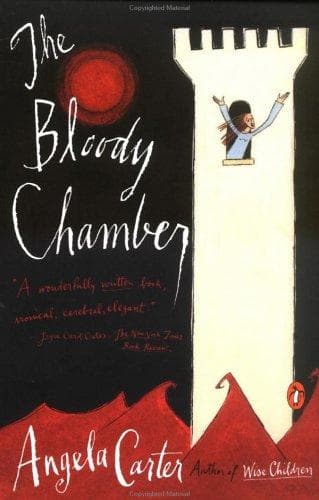
Book details and cover from Google Books.
Ready to read The Bloody Chamber?
Get your copy on Amazon, or listen to it on Audible. We earn a commission if you buy through these links.