
We earn a commission if you buy through these links. Learn more
Swan Song
A sprawling 1980s nuclear-apocalypse novel that trades bleak survival for big-hearted adventure, a gifted boy at its center, and a villain who makes the fight feel personal.
What It's About
Swan Song is a long post-apocalyptic novel by Robert R. McCammon, first published in 1987. It imagines a United States shattered by nuclear war and the survivors who try to live in its radiation-scarred, lawless landscape. Much of the story follows a young boy named Swan, who has unusual mental powers, and the dark figure who wants to control those powers for his own ends. The book moves between many characters and locations, so the reader sees the collapse of the old world from several angles at once.
McCammon writes in a broad, cinematic style. The book mixes apocalyptic science fiction with horror, fantasy, and frontier adventure, and it is willing to be melodramatic when it wants to be. Some stretches are propulsive, with chases, confrontations, and dramatic reversals, while others slow down to build atmosphere and deepen the cast. Reading it feels less like studying a grim thought experiment and more like settling into a big, old-fashioned story that asks you to care about its people.
Underneath the spectacle is a question about what survives a catastrophe: power, faith, loyalty, and the stubborn urge to rebuild. The novel's hopefulness is one of its strongest traits, though it can feel earnest to readers who prefer cooler, more ironic fiction. Expect a commitment of time and attention, and expect to be carried along by the sheer scale of the world McCammon builds.
Read this if you…
- enjoy big, character-filled post-apocalyptic epics
- want the scale and ambition of a 1980s end-of-the-world saga
- like horror and fantasy elements mixed into a survival story
Skip it if you…
- want spare, realistic survival fiction with a restrained tone
- dislike sentimental writing or dramatic, heavy-handed emotion
Key Ideas
- 1
Nuclear aftermath as a human story
The bombs are the starting point, but the real subject is what ordinary people do once the institutions they relied on are gone. McCammon focuses on daily survival, scarcity, and the fragile communities that form among strangers, which gives the catastrophe emotional weight rather than leaving it as backdrop.
- 2
Power and the temptation to lead
The novel is preoccupied with who gets to decide how a damaged society is run. Charismatic and dangerous figures gather followers in a world with few rules, and the book examines how people are drawn to strong leaders when they are frightened and desperate.
- 3
Hope as an active choice
Against the destruction, the story insists that compassion and faith still matter. Its hopefulness is not naive; characters must choose it repeatedly, and the book treats that choice as a form of courage rather than a comfortable ending handed to the reader.
- 4
Wide-angle, multi-thread storytelling
Rather than following one hero through one journey, McCammon cuts between many lives and places. This creates a sense of a whole country in collapse, and it rewards patient readers who enjoy watching separate storylines slowly converge.
Limitations
The novel is long, and its sprawl can dilute tension, especially in middle sections that juggle many characters. Its Cold War anxieties and 1980s assumptions show, and some portrayals of women and minority characters now read as dated. The sentimentality that gives the book its warmth can also tip into melodrama, and villains are drawn with more flair than psychological depth. Readers looking for scientific detail about nuclear fallout or the mechanics of rebuilding society will find the book more interested in myth and character than in practical realism.
Questions Readers Ask
- Is Swan Song worth reading if I liked The Stand?
- Often yes. Both books share a large cast, a nuclear-war starting point, and a battle between good and evil over the future of the country. Swan Song is generally more fantastical and more openly sentimental. If you enjoyed the scale and emotional sweep of The Stand, this novel should feel familiar, though it may seem looser and less polished to some readers.
- Is Swan Song still relevant today?
- Its core concerns about nuclear catastrophe, political fear, and the pull of charismatic leaders remain resonant. Some of its historical framing reflects the 1980s, so readers may notice dated attitudes. Most readers who enjoy the story find those elements part of its period character rather than a barrier to enjoying the adventure and the characters.
- Who is the best reader for this novel?
- Readers who enjoy long, immersive genre fiction with heroic stakes and a strong sense of moral conflict will get the most from it. It suits people comfortable with a slower opening and a large ensemble. It is less suited to readers who want tight plotting or a grounded, realistic take on the end of the world.
- Published
- 1978
- ISBN
- 9780751501964
- Difficulty
- intermediate
- Category
- Science Fiction
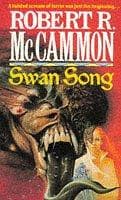
Book details and cover from Google Books.
Ready to read Swan Song?
Get your copy on Amazon, or listen to it on Audible. We earn a commission if you buy through these links.