
We earn a commission if you buy through these links. Learn more
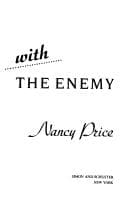
Sleeping with the enemy
by Nancy Price
A tense psychological thriller about a woman who leaves a controlling marriage and has to build a new life while always expecting to be found.
What Creators Say About Sleeping with the enemy
2 creators reviewed Sleeping with the enemy on YouTube between 2023 and 2025, with 809 views between them. Their opinions are their own; we picked these reviews, we didn't write them.
What It's About
Sleeping with the Enemy is a suspense novel built around one question: what does it take to leave someone who has made your life feel like a trap? Its central figure is a woman living under the control of a husband whose behavior is frightening and hard to predict, and the story follows the mechanics of escape, concealment, and the constant fear of discovery. Much of the tension comes from the reader's sense of how closely the protagonist must watch her surroundings, weigh every decision, and guard her secrets.
The book works mainly as a page-turner. Its chapters tend to end on pressure points, and the pacing favors momentum over lengthy reflection. Readers should expect a fairly direct, genre-driven style rather than experimental prose. The emotional core is the protagonist's sense of isolation and her struggle to trust her own judgment after years of being told what to think and feel.
Reading it is an intense, somewhat claustrophobic experience. It is most rewarding if you enjoy suspense that depends on character fear and gradual reveals rather than action set pieces. I am working from the general premise and my memory of the novel's reputation rather than a close reread, so treat the specifics here as a guide to the kind of book it is, not a full account of its plot.
Read this if you…
- enjoy suspense driven by character fear and slow tightening pressure
- want a novel that examines domestic control and the mechanics of leaving
- like fast-paced, plot-forward fiction with a strong sense of dread
Skip it if you…
- want subtle, literary prose or ambiguous, experimental structure
- find stories about domestic abuse too heavy or distressing to read right now
Key Ideas
- 1
Escape as a long, planned process
The novel treats leaving an abusive partner as something that requires patience, secrecy, and careful preparation. The protagonist cannot simply walk away; every step has to account for the danger of being noticed, which makes the act of escaping itself a source of suspense.
- 2
Coercive control as a daily reality
Rather than focusing only on single violent incidents, the book is interested in how control accumulates through routine, rules, and small humiliations. Readers who have encountered this dynamic in real life may find the depiction recognizable, though the novel is a product of its era and its framing reflects that.
- 3
Rebuilding identity under pressure
Living under a new name forces the protagonist to reconsider who she is and what she wants. The theme of self-invention runs through the story, asking whether a person can become someone new when the old life still threatens to return.
- 4
Fear that shapes ordinary choices
A recurring concern is how constant vigilance changes a person's relationships, habits, and trust in others. The book suggests that surviving a threat can be as costly as the threat itself, and that recovery means relearning how to feel safe.
Limitations
The novel is a product of its time, and some of its assumptions about gender, psychology, and the options available to women may feel dated to contemporary readers. Its portrayal of the abuser can lean toward caricature, and some critics find the plot's reliance on coincidence and convenient timing strains credibility. The book is less interested in the legal, financial, and institutional realities of leaving abuse than a modern reader might want, so it should not be treated as practical guidance.
Questions Readers Ask
- Is Sleeping with the Enemy still worth reading today?
- Yes, if you want a gripping suspense novel and can read it as a period piece. Its emotional dread still lands, but its social framing and some plot conveniences feel dated. Pair it with a more recent nonfiction or fiction treatment of coercive control if you want a current perspective.
- Who is this book best suited for?
- It suits readers who enjoy domestic suspense and psychological tension, and who do not need precise realism or literary experimentation. If you want a fast, emotionally charged read with a clear narrative drive, it is a good fit.
- Published
- 1986
- ISBN
- 9780099537809
- Difficulty
- beginner
- Category
- Fiction
Book details and cover from Google Books.
Ready to read Sleeping with the enemy?
Get your copy on Amazon, or listen to it on Audible. We earn a commission if you buy through these links.