
We earn a commission if you buy through these links. Learn more
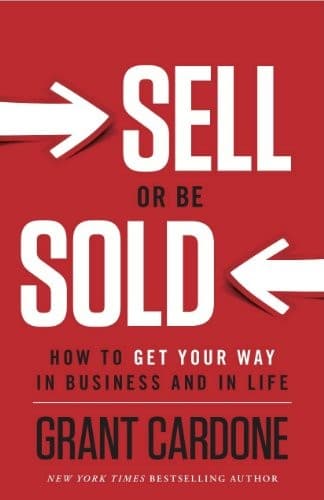
Sell or Be Sold
Guide by the Books of the Day editors · Updated · How we write our guides
A blunt, energizing case that selling is the skill beneath almost every career and personal goal, useful if you need a push to become more assertive.
What Creators Say About Sell or Be Sold
2 creators reviewed Sell or Be Sold on YouTube between 2013 and 2023, with 81.6K views between them. Their opinions are their own; we picked these reviews, we didn't write them.
What It's About
Sell or Be Sold is Grant Cardone's 2011 argument that persuasion sits underneath nearly every goal you have. His central claim is that you are always selling something, whether a product, an idea, a raise, or yourself, and that people who avoid the discomfort of persuasion tend to end up with outcomes decided by others.
The style is direct, motivational, and heavily shaped by Cardone's own experience and attitude. Much of the book focuses on mindset: tolerating rejection, staying in motion, following up relentlessly, and refusing to treat a no as final. It reads more like a pep talk with practical drills than a structured manual, and readers hoping for detailed scripts or frameworks may find it thin in places.
Reading it feels like being nudged out of a comfortable chair. It moves quickly, is sometimes blunt, and can be energizing if you already want to be more forceful about what you pursue. Expect repetition of key points and a tone that is confident to the point of brashness.
Read this if you…
- are in a job or business where income depends on persuading people
- feel uncomfortable asking for what you want and want a more assertive mindset
- want an energetic, motivational push rather than a detailed manual
Skip it if you…
- want step-by-step scripts, research-backed sales methods, or detailed playbooks
- are put off by self-promotion or a hard-driving, hype-heavy voice
Key Ideas
- 1
Selling is a life skill, not a job
Cardone's main move is to widen the definition of selling until it covers asking for a raise, pitching a project, or getting a partner to agree. Once you see every interaction as a small persuasion problem, the book argues, your results improve because you stop leaving outcomes to chance. The idea is less about pushy tactics and more about taking responsibility for getting your way.
- 2
Activity volume drives results
A recurring theme is that sales success comes from the number of conversations, calls, and attempts you make. Cardone treats high activity as a lever you can control, and he argues that many people fail because they make too few attempts to learn what works. The emphasis is on momentum and repetition rather than on perfecting a single pitch.
- 3
Rejection is information, not a verdict
The book spends considerable time on how to keep going after a no. Cardone encourages readers to treat objections and refusals as data about what the other person needs, not as proof of personal inadequacy. This reframing is the emotional core of the book and the part most readers remember.
- 4
Follow-up and persistence close the gap
Many deals, Cardone argues, are lost not because the offer was wrong but because the seller stopped contacting the buyer too soon. He stresses consistent follow-up and a willingness to keep showing up. The advice is simple to understand, though applying it well depends on judgment the book addresses only in broad strokes.
Limitations
The book leans heavily on the author's own success and on attitude-based advice, which some readers find repetitive or self-referential. Its tactics are more general than specific, and it offers little on relationship selling, consultative sales, ethics, or the very different demands of selling to large organizations. Because it was written in 2011, some references to media, technology, and sales channels feel dated. Critics also argue that its emphasis on pushing harder can ignore whether a product actually serves the buyer.
Questions Readers Ask
- Is Sell or Be Sold only for salespeople?
- No, although it is written with sales professionals in mind. Its main argument is that persuasion matters in negotiating pay, leading teams, and getting ideas accepted. Readers outside sales often get the most value from the mindset chapters, while experienced sellers may find the basics familiar and the tone overly intense.
- How does it compare to a more evidence-based sales book?
- Sell or Be Sold is motivational and attitude-driven, while books such as those drawing on academic research tend to offer data, frameworks, and tested methods. If you want encouragement to act, Cardone's book delivers that. If you want to understand why certain approaches work, you will likely want to pair it with a more analytical title.
- Published
- 2012
- ISBN
- 9780615399249
- Difficulty
- beginner
- Category
- Self-Improvement
Book details and cover from Google Books.
Ready to read Sell or Be Sold?
Get your copy on Amazon, or listen to it on Audible. We earn a commission if you buy through these links.