
We earn a commission if you buy through these links. Learn more
Rubyfruit Jungle
A brash, funny, unapologetic coming-of-age novel that treats a poor, sexually curious girl's ambitions and desires with more candor and humor than most fiction of its era did.
What It's About
Rubyfruit Jungle, published in 1973, follows Molly Bolt from a poor and unsettled childhood into young adulthood. Brown tells the story in Molly's own voice, which is quick, blunt, and often very funny. Molly is restless, stubborn, and practical about getting what she wants, and the book follows her through a string of jobs, schools, and relationships as she works out who she is and where she belongs.
The novel is episodic and picaresque rather than tightly plotted. Scenes move fast, and the tone shifts between comic set pieces and hard-edged realism about money, family, and the price of being different. Brown writes plainly about sex and desire, and that frankness was a large part of why the book felt so unusual when it appeared. Much of the pleasure comes from Molly's personality more than from suspense.
Reading it feels like spending time with a sharp, impatient narrator who refuses to apologize for herself. It is a quick read, but it lingers, mostly because Molly's refusal to be ashamed still feels bracing. Expect a book that is more about attitude and momentum than about elegant prose or a carefully controlled structure.
Read this if you…
- want a funny, unvarnished coming-of-age story with a strong, unruly narrator
- are interested in the history of lesbian fiction and why this book mattered so much
- enjoy picaresque novels where the pleasure is in the character more than the plot
Skip it if you…
- need a tightly plotted novel with a clear arc and a satisfying structure
- prefer quiet, lyrical prose or subtle, restrained characterization
Key Ideas
- 1
A narrator who refuses to apologize
Molly's voice is the book's engine. She is candid about her wants, her mistakes, and her anger, and she rarely asks the reader for sympathy. Much of the novel's energy comes from how little she seems to care what others think of her.
- 2
Class and money as constant pressure
Poverty is not a backdrop here but a daily concern that shapes Molly's choices. Brown shows how scarcity pushes people toward certain jobs, relationships, and compromises, and how ambition can grow out of simply not wanting to stay where you started.
- 3
Lesbian identity without an apologetic frame
Molly's sexuality is presented as part of who she is rather than as a problem to be explained or punished. The book was notable in 1973 for treating desire between women with humor and directness, and that matters for understanding why it became so influential.
- 4
Episodic, picaresque storytelling
The novel moves through a series of loosely connected episodes rather than building toward one central crisis. Readers who want tight plotting may find the structure loose, but the episodic approach suits a story about a restless person trying out many lives.
- 5
Humor as a way of surviving hardship
Brown keeps the tone bright even when the material is hard. The comedy is not a way of avoiding pain but a way Molly copes with it, and the mix of wit and bitterness gives the book much of its force.
Limitations
The book's style is deliberately loose and fast, and some readers find the episodic structure repetitive or the humor uneven. Its frankness about sex was groundbreaking in 1973 but can feel less shocking now, which may make parts of it seem more conventional than they once were. Its perspective is shaped by a particular time and place, and it does not offer a broad view of the period beyond Molly's own experience. Readers looking for a deep portrait of community or a nuanced treatment of its supporting characters may find it thinner than they hoped.
Questions Readers Ask
- Is Rubyfruit Jungle still worth reading today?
- Yes, especially if you are interested in literary history or in fiction that is blunt about class and sexuality. Some of its shock value has faded, but Molly's voice remains lively and funny, and the book still reads as a fresh, unapologetic debut.
- How does Rubyfruit Jungle compare to other coming-of-age novels?
- It is less polished and less interior than many coming-of-age books, relying on attitude and momentum rather than careful psychological detail. If you like Molly's sharpness but want more structure, you might try a more tightly plotted novel of the same era.
- Published
- 1973
- ISBN
- 9781665063364
- Difficulty
- beginner
- Category
- Fiction
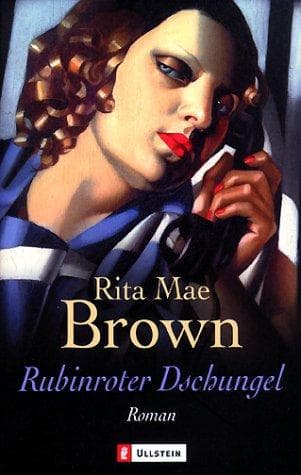
Book details and cover from Google Books.
Ready to read Rubyfruit Jungle?
Get your copy on Amazon, or listen to it on Audible. We earn a commission if you buy through these links.