
We earn a commission if you buy through these links. Learn more
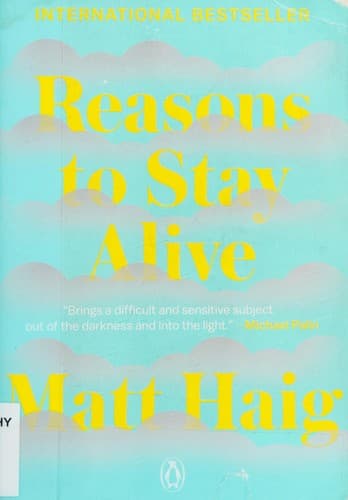
Reasons to stay alive
by Matt Haig
Guide by the Books of the Day editors · Updated · How we write our guides
A candid, compact memoir about surviving depression, written with enough warmth and humour to reach readers who have never felt that dark.
What Creators Say About Reasons to stay alive
2 creators reviewed Reasons to stay alive on YouTube between 2023 and 2024, with 1.6K views between them. Their opinions are their own; we picked these reviews, we didn't write them.
What It's About
Reasons to Stay Alive is Matt Haig's account of the depression and panic attacks that overtook him in his twenties, and of how he slowly found his way back. It is part memoir, part self-help, but it avoids the lecturing tone that usually comes with the second. Haig writes about what the illness felt like from inside: the physical dread, the sense that ordinary life had become unreachable, the way the mind lies with total conviction.
The structure is loose and deliberate. Rather than a continuous narrative, the book moves through short sections, some just a few lines, some reflecting on a single thought, a place, a book or a piece of music. Many of them read like notes a friend might pass you on a bad night. Haig pairs personal history with plain facts about how depression works and what helped him, and he returns often to small pleasures that anchored him.
Reading it is quick and intimate rather than heavy going. You can finish it in an evening, and it is easy to dip into when you only have a few minutes. It won't give you a treatment plan or replace a doctor, but it offers company and perspective, and for people who feel alone with the same thoughts, that can matter a great deal.
Read this if you…
- are living with depression or anxiety and want honest company rather than clinical instruction
- are supporting someone who is struggling and want to understand the experience from inside
- enjoy short, reflective writing that can be read in small pieces
Skip it if you…
- want a detailed guide to treatment, medication or the research on mental illness
- need a sustained argument or a tightly structured book with a clear through-line
Key Ideas
- 1
Depression as a convincing liar
The book's central argument is that depression distorts judgment so that its bleakest conclusions feel like obvious truths. Haig describes how the mind presents despair as insight, which is why logic alone rarely dislodges it. Recognising that the feeling is a symptom rather than an accurate verdict on your life is presented as an important first step.
- 2
Recovery built from small things
Getting better in the book is assembled from modest, repeatable things: walks, music, reading, and the company of people he trusts. Rather than relying on a single dramatic turning point, Haig shows recovery as accumulation. This is the sense behind the title, which points to a list of particulars rather than grand purpose.
- 3
Speaking openly against stigma
Haig argues that silence keeps people isolated, and his decision to write about his breakdown in plain terms is central to the book. He treats honesty about mental illness as a practical act, one that helps readers feel less alone and makes it easier for others to talk about their own experience.
- 4
Time, scale and attention to the present
The book returns repeatedly to how large the world is and how short a life is, encouraging attention to ordinary experience rather than achievement or anxiety about the future. These reflections are personal rather than philosophical, and they work best as gentle prompts to notice what is around you.
Limitations
Because the book is built from short, impressionistic sections, some readers find it repetitive or too slight, especially if they want a sustained argument. Haig is a writer rather than a clinician, and the book is candid that it reflects one man's experience rather than a general account of depression. Readers hoping for a comprehensive look at treatment options or the evidence base will need other books. Some find the tone sentimental in places, and the uplifting conclusions may feel too neat to readers whose recovery has been slower or less clear-cut.
Questions Readers Ask
- Do you need to have depression to get something from this book?
- No. The book is useful to anyone who wants to understand depression or anxiety from the inside, including friends, family and colleagues of people who are struggling. It is also a good read for people who simply want to think about how to live well. Its focus on personal experience means it works as empathy as much as information.
- How does it compare to Matt Haig's novel The Midnight Library?
- The Midnight Library is a novel about regret and the lives we might have led, and it draws on some of the same emotional territory. Reasons to Stay Alive is nonfiction and far more direct about his own illness. If you liked the warmth of the novel, the memoir gives you the personal story behind some of its concerns.
- Is the book still relevant, given it was published in 2015?
- The core experience it describes, the isolation and distorted thinking of depression, has not changed, so the book still resonates. Attitudes to mental health have shifted and services have developed since then, so readers wanting current guidance should look to up-to-date sources alongside it.
- Published
- 2015
- ISBN
- 9781782115090
- Difficulty
- beginner
- Category
- Psychology
Book details and cover from Google Books.
Ready to read Reasons to stay alive?
Get your copy on Amazon, or listen to it on Audible. We earn a commission if you buy through these links.