
We earn a commission if you buy through these links. Learn more
Rain Reign
Guide by the Books of the Day editors · Updated · How we write our guides
A literal-minded girl searches for her missing dog after a violent storm, and Ann M. Martin's distinctive first-person voice makes this a warm look inside a different kind of mind.
What Creators Say About Rain Reign
2 creators reviewed Rain Reign on YouTube between 2015 and 2020, with 730 views between them. Their opinions are their own; we picked these reviews, we didn't write them.
What It's About
Rain Reign follows Rose Howard, an eleven-year-old who sees the world through rules, patterns, and exact meanings. Her favorite subject is words with more than one meaning, and she keeps careful lists of them. Her closest companion is Rain, a dog whose name is itself a homonym that Rose cannot stop thinking about. When a violent storm sweeps through and Rain disappears, Rose sets out to find him with the same methodical energy she brings to everything else.
Martin tells the story in Rose's first-person voice, and that voice is the book's main draw. Rose is literal, often funny without meaning to be, and blunt in ways that make adults uncomfortable. The plain sentences keep the pace moving, while the gap between what Rose understands and what the reader can see around her creates quiet tension. Much of the emotional weight comes from watching her try to read other people with tools that don't always fit.
Reading it feels less like a mystery than a sustained look at how a mind different from most of ours organizes its days. The tone is warm rather than sentimental, and the book does not treat Rose's routines as quirks to be fixed. Expect a story about loss and loyalty written at a young reader's level, though its questions land with adults too.
Read this if you…
- want a short, emotionally direct novel with a strong first-person voice
- are curious about neurodivergent characters seen from the inside rather than explained from outside
- enjoy quiet stories about loyalty and loss that trust the reader to fill in the gaps
Skip it if you…
- need a fast-paced plot with mounting suspense or a clear mystery to solve
- expect fully developed secondary characters, since the story stays tightly focused on Rose
Key Ideas
- 1
Language as a lens on ambiguity
Rose's fascination with homonyms works as the book's central metaphor. Words that sound identical but mean different things mirror the way people miss each other, and the way Rose can be right about a definition and still wrong about a situation. Paying attention to these small doubles gives the story its quiet intelligence and makes the title feel like an argument rather than a label.
- 2
Routine as both safety and cost
Rose's rituals and lists keep her steady in a world that feels loud and unpredictable. Martin shows these habits as genuine sources of comfort and competence, but also as walls that can keep help out. The reader sees both sides, which makes the book more honest than a story that simply celebrates or pathologizes difference.
- 3
Loyalty in the search for what's lost
The search for Rain pulls Rose into contact with a community she would otherwise avoid. The dog gives the plot its urgency, but the real subject is attachment: how much a single relationship can hold, and what a person will do when that bond is threatened. Readers who care about animals will feel this thread especially strongly.
- 4
Reading other people from the outside
Because the narrator misses many social cues, the reader often understands more than she does. This gap is the book's most distinctive craft choice. It asks readers to notice what adults and neighbors are really communicating, and it rewards patience with moments of recognition that the narrator never fully articulates.
Limitations
Some readers find the emotional arc predictable, especially those who have read many middle-grade novels about a lost pet. Because the story is filtered entirely through Rose's perspective, the other characters remain sketched rather than fully realized. Critics also point out that one narrator cannot represent the wide range of autistic experiences, so the portrayal should be read as one individual's story rather than a general account. The deliberately repetitive rhythm, which suits Rose, can feel slow to readers expecting more momentum.
Questions Readers Ask
- Who is Rain Reign best suited for?
- It is written for middle-grade readers, roughly ages eight to twelve, and it works well as a read-aloud or a first novel for confident young readers. Adults who enjoy character-driven fiction often find it rewarding too, especially those interested in how differently wired minds experience ordinary situations. Parents and teachers will find it a natural opening for conversations about empathy and different ways of thinking.
- How does it compare to The Curious Incident of the Dog in the Night-Time?
- Both feature a narrator who experiences the world in a distinctive way and both are built around a missing animal. Mark Haddon's book is longer, more adult in scope, and structured as a detective story. Rain Reign is shorter and gentler, focused on a child's daily life and loyalty rather than an investigation. Readers who loved Haddon's voice will likely appreciate Martin's, though the emotional register is quieter.
- Published
- 2015
- ISBN
- 9788416075744
- Difficulty
- beginner
- Category
- Children's Books
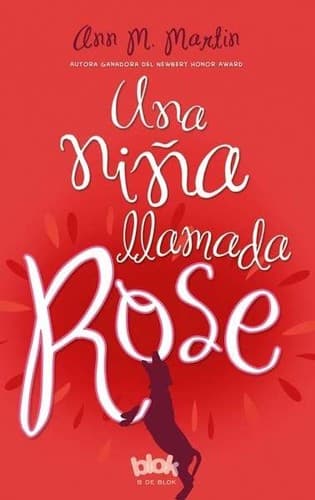
Book details and cover from Google Books.
Ready to read Rain Reign?
Get your copy on Amazon, or listen to it on Audible. We earn a commission if you buy through these links.