
We earn a commission if you buy through these links. Learn more
Princess Academy
by Shannon Hale
Guide by the Books of the Day editors · Updated · How we write our guides
A mountain quarry girl is sent to a princess academy she never asked for, in a middle-grade fantasy about courage, class, and finding your own voice.
What Creators Say About Princess Academy
2 creators reviewed Princess Academy on YouTube between 2014 and 2017, with 4.9K views between them. Their opinions are their own; we picked these reviews, we didn't write them.
What It's About
Princess Academy is a middle-grade fantasy by Shannon Hale, set in a remote mountain village whose economy depends on quarrying a prized stone. When a prophecy suggests the crown prince will choose his future bride from the village, the local girls are gathered into an academy meant to turn them into suitable princesses. The story follows Miri, a quarry girl who is sharp, stubborn, and far more at home with stone and work than with courtly manners.
The book is told in a clear, warm first-person voice that feels like a diary written by someone who is still figuring things out. Hale keeps the sentences simple and the chapters short, so the pace stays brisk even when the stakes rise. The fantasy elements are light. The real texture comes from daily life in the village: hard labor, family debts, the way a community treats outsiders, and the small humiliations of being judged for where you come from.
Reading it feels like spending time with a determined, funny, and honest narrator who slowly learns that the lessons she was told to value may not be the ones that matter most. It is an easy book to finish in a sitting or two, and its emotional payoff depends on how much you come to care about the girls around Miri and what they risk for one another.
Read this if you…
- want a fantasy with a sharp, funny, working-class heroine
- enjoy stories about friendship and rivalry among a group of girls
- are looking for a gentle entry into fantasy that still has real emotional stakes
Skip it if you…
- want high-stakes magic, world-building, or a complex plot full of battles
- prefer adult fantasy with dense prose and morally gray politics
Key Ideas
- 1
Class as something taught and performed
The academy treats refinement as a set of rules to memorize, from posture to speech to table manners. Hale uses this to ask how much of social status is really skill, and how much is simply who was allowed to learn it. Miri's outsider eyes make the arbitrariness of these customs easy to see, and the story keeps returning to the question of who gets to decide what counts as worthy.
- 2
Working-class knowledge is real knowledge
Miri's strength comes from the quarry: she understands stone, physical endurance, and how a community holds together under pressure. The book quietly argues that these abilities deserve respect even when the powerful ignore them. It is a satisfying theme for younger readers who have been told their practical skills do not count for much.
- 3
Friendship under competition
The girls are pitted against each other for a single prize, which strains loyalties and tempts them toward betrayal. Hale gives this rivalry real emotional weight, showing how fear and hope can turn friends into strangers. The story's warmth comes from watching the characters decide, sometimes painfully, what they owe one another.
- 4
Finding and using your own voice
Miri's arc is about moving from silence and deference toward speaking plainly for herself and her people. The theme plays out in small, concrete moments as well as larger confrontations. Hale handles it with restraint, so the message feels earned rather than preachy, which makes it land more firmly with readers.
Limitations
The fantasy elements are modest, and readers expecting sweeping magic or an intricate invented world may find the setting thin. The villains and the court are drawn in broad strokes, and some plot turns are predictable for experienced readers. Its focus on class and gender is clear and earnest, which some readers find heavy-handed. Its simple style is a strength for its audience but can feel slight to adults looking for more literary complexity.
Questions Readers Ask
- Is Princess Academy only for kids?
- It is written for middle-grade readers, roughly ages nine to twelve, but adults often enjoy it too. The prose is simple and the chapters are short, so it reads quickly. Adults who value a strong heroine and a story about community and class will likely find it rewarding, even if it is not especially complex.
- How does it compare to other fantasy novels for young readers?
- It is gentler and more grounded than many popular middle-grade fantasies with big magical systems. Its appeal rests on character, daily village life, and friendship rather than spectacle. Readers who liked Hale's emotional honesty may prefer it to plot-heavy adventures, while those wanting more magic may want something with a more elaborate world.
- Published
- 2005
- ISBN
- 9787807475767
- Difficulty
- beginner
- Category
- Tech
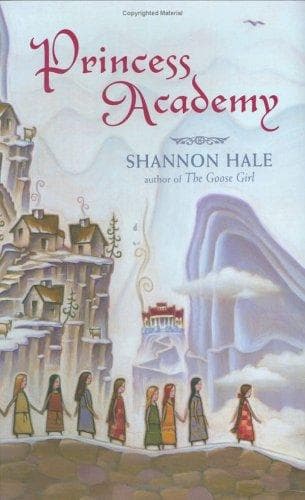
Book details and cover from Google Books.
Ready to read Princess Academy?
Get your copy on Amazon, or listen to it on Audible. We earn a commission if you buy through these links.