
We earn a commission if you buy through these links. Learn more
Practical Magic
On screen: Practical Magic (film, 1998)
Alice Hoffman's Practical Magic turns a family curse into a warm, melancholy story about two sisters, the women who raised them, and the ordinary ways magic seeps into daily life.
What It's About
Practical Magic (1995) follows the Owens sisters, Sally and Gillian, raised in a Massachusetts household of women whom the town believes to be witches. The family has lived for generations under a curse: men who love an Owens are doomed. The story moves between the sisters' childhood with their aunts, who keep a house full of herbs, rules, and old superstitions, and their adult lives, as Sally tries to build something ordinary and Gillian pushes against every rule she was given.
Hoffman writes in a lyrical, unhurried voice that treats the supernatural as one more fact of life, so a spell or a hex carries the same weight as a trip to the market or a fight over a boyfriend. The chapters drift across years and generations, and the prose favors sensory detail, folklore, and small domestic rituals over plot mechanics. It reads more like a family chronicle with a fairy-tale undertone than a conventional thriller.
The experience is warm, a little melancholy, and often funny, with a steady current of grief running underneath. Readers who want tight suspense or a clearly defined magic system may find it loose. Readers who care about sisters, inheritance, and the stories families tell about themselves will likely find it hard to put down.
Read this if you…
- want a family saga with witchcraft woven into everyday life
- enjoy lyrical, atmospheric prose more than plot-driven suspense
- like novels about sisters and the legacies mothers and aunts pass down
Skip it if you…
- need a fast-paced plot with a tightly built mystery and clear stakes
- expect a detailed magic system or lots of supernatural action
Key Ideas
- 1
A curse as inherited pattern
The family curse works as a metaphor for the patterns passed from mothers and aunts to daughters: fear, habit, and the choices people repeat without meaning to. Hoffman uses the supernatural premise to explore how love can become a burden when it is shaped by a family's history. The curse gives the story its tension, but the deeper question is whether a person can step outside a legacy they never chose.
- 2
Sisterhood at the emotional center
The bond between Sally and Gillian is the book's core. The two respond to the same inheritance in opposite ways, one by seeking safety and routine, the other by chasing risk and freedom. Their affection and resentment toward each other give the novel much of its emotional weight, and the reader is asked to see both sisters as right and wrong at different moments.
- 3
Magic as domestic, everyday practice
Magic here is rarely spectacle. It shows up in kitchens, gardens, and household remedies, and it is handled with the matter-of-fact care of any family craft. This makes the supernatural feel grounded and lived-in. The approach also reinforces the book's interest in home, routine, and the quiet labor that keeps a family together.
- 4
Freedom versus protection in a closed world
The aunts' rules are meant to keep the girls safe, but they also isolate them from the wider world. Hoffman examines the cost of that protection and the pull of wanting a life beyond the family's walls. The tension between caution and desire runs through the story and gives its choices real stakes, even when the plot moves slowly.
Limitations
The novel is episodic and covers many years, so some readers find its momentum uneven and its characters less fully developed than the emotional material deserves. The rules of the curse are left deliberately vague, which frustrates readers who want a more defined system. Some of the 1990s details now feel dated, and the romantic storylines can seem thin compared with the family drama. Hoffman later returned to the family in prequels, which some readers find richer than the original, though they are not required reading.
Questions Readers Ask
- How does the novel compare to the 1998 film?
- The 1998 film starring Sandra Bullock and Nicole Kidman keeps the sisters and the family curse but makes the story lighter and more romantic. The novel is darker, more episodic, and spends more time on grief, family history, and the aunts' world. Readers who loved the film often find the book more complicated and less tidy.
- Do I need to read Hoffman's prequels first?
- No. Practical Magic works as a standalone novel. Hoffman's later prequels add background on the aunts and earlier generations of the family. Readers who enjoy this book often seek them out, but you will follow the story without them.
- Published
- 1995
- ISBN
- 9781440666230
- Difficulty
- beginner
- Category
- Fiction
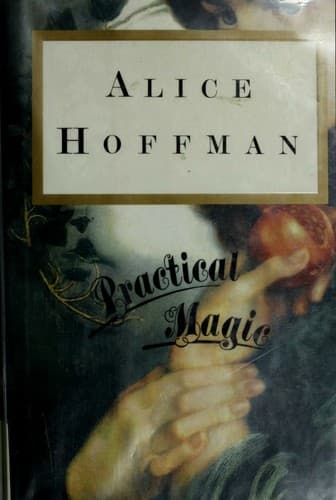
Book details and cover from Google Books.
Ready to read Practical Magic?
Get your copy on Amazon, or listen to it on Audible. We earn a commission if you buy through these links.