
We earn a commission if you buy through these links. Learn more
Pollyanna
by Eleanor Hodgman Porter, Porter
A sunny 1913 classic whose plot is less sweet than its reputation, following an orphan whose cheerful habit turns a stern New England town inside out.
What It's About
Pollyanna is a novel by Eleanor H. Porter, first published in 1913. Its heroine is a young orphan sent to live with a strict, unsentimental aunt in a small Vermont village. Her late father taught her a game: whatever happens, look for something to be glad about. The book follows how she applies that rule to the people around her, from a housekeeper who has stopped expecting anything good to a town that has grown set in its grudges.
The style is warm, brisk and episodic, with a lot of dialogue and a narrator who clearly enjoys the village characters. Porter writes in the sentimental idiom of her era, so expect earnest speeches, morals stated outright and emotional scenes played at full volume. The chapters move from small comic incidents to more serious turns, and the book is at its most interesting when it notices what optimism costs the people who receive it.
Reading it feels less like diving into a dense novel and more like sitting with a kind, opinionated friend who keeps urging you to look on the bright side. It is short and easy to finish in a few evenings. It is often remembered as a gentle comedy about relentless cheer, but the book itself is more thoughtful than that reputation suggests, and it rewards readers who can take its sincerity at face value.
Read this if you…
- are curious about how a classic of early twentieth-century American fiction reads today
- want an uplifting story about how one person's attitude can change a community
- enjoy old-fashioned sentiment and do not mind it being played straight
Skip it if you…
- find sweetness and moral instruction hard to take without some irony
- want a dark, dense literary novel with complex prose and psychology
Key Ideas
- 1
The glad game as a way of seeing
The central device is a habit of hunting for something positive in every circumstance, taught as a game. Porter presents it less as a magic formula than as a discipline of attention. It changes how Pollyanna moves through difficult rooms, because she searches for the good thing and says it aloud, which often shifts other people's moods.
- 2
Optimism as something that spreads
The novel's most striking idea is that a cheerful outlook is contagious. Pollyanna's gladness alters the households and neighbors she touches, softening grudges and reopening doors that had been shut for years. The book suggests that attitude is social as well as private, something we pass between people.
- 3
The cost and limits of cheerfulness
Not everything in the book is uplifting. Pollyanna's cheer sometimes brushes past real suffering, and several characters resent being told to count their blessings. Porter lets these tensions show, which gives the story more weight than its title suggests.
- 4
A small town and its hardened habits
The Vermont village matters. The book depicts a community whose pride, routine and bitterness have calcified over time, and Pollyanna's arrival exposes those habits. Porter draws the townspeople with affection and some sharpness, so they feel like real people rather than props for a moral.
Limitations
Modern readers often find the book sentimental to the point of preachiness, and the word Pollyanna has become shorthand for naive positivity, which can make the novel seem dismissed before it is read. The book does not engage deeply with class, the limited choices open to women of its period, or the wider social context of the time. Its treatment of illness and disability reflects the attitudes of its era. Characters are drawn broadly and resolutions come quickly. Fair readers will find real charm here, but not a rigorous study of the human condition.
Questions Readers Ask
- Is Pollyanna still worth reading today?
- Yes, especially if you enjoy classic American fiction or want to see how early twentieth-century writers handled optimism and grief. The prose is accessible and the book is short. Expect a sentimental tone and a plot that moves quickly, but its warmth and its portrait of a stubborn town still hold up well.
- How does Pollyanna compare to Anne of Green Gables?
- Both are early twentieth-century novels about spirited orphan girls who brighten difficult lives. Anne of Green Gables is richer, funnier and more interested in an inner life. Pollyanna is more episodic and openly didactic, built around a single idea that Porter returns to again and again.
- Is Pollyanna a children's book?
- It has long been read by young people and is often shelved as juvenile fiction, so it is accessible to teenagers. Adults also read it, often for its historical interest and its more serious passages about grief and prejudice. It suits readers of any age who can enjoy a sincere, old-fashioned story.
- Published
- 1912
- ISBN
- 9781986753449
- Difficulty
- beginner
- Category
- Fiction
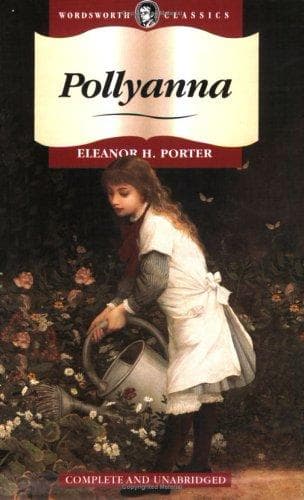
Book details and cover from Google Books.
Ready to read Pollyanna?
Get your copy on Amazon, or listen to it on Audible. We earn a commission if you buy through these links.