
We earn a commission if you buy through these links. Learn more
Plainsong
by Kent Haruf
Guide by the Books of the Day editors · Updated · How we write our guides
Plainsong is a quiet, unshowy novel about ordinary people in a small Colorado town, and its restrained prose makes small kindnesses feel earned.
What Creators Say About Plainsong
2 creators reviewed Plainsong on YouTube between 2019 and 2024, with 5.8K views between them. Their opinions are their own; we picked these reviews, we didn't write them.
What It's About
Plainsong is set in Holt, a fictional town on the high plains of eastern Colorado, where the wind, the cattle, and the weather set the rhythm of life. Kent Haruf follows several loosely connected households: a high school teacher raising two young boys while his wife is unwell, two elderly bachelor brothers who run a cattle ranch, a pregnant teenager who has nowhere to go, and a widowed neighbor who keeps watch over them all. The story moves between these lives without a big central plot engine, so the book depends on attention to daily routines, small decisions, and the way people quietly help one another.
Haruf's style is the main event. Sentences are short and plain, dialogue is sparse and often unattributed, and the narration rarely explains what characters feel. Readers have to infer emotion from what people do, which can feel slow at first and then gradually very moving. The book reads more like a series of clear, carefully observed scenes than a conventional novel with a rising arc.
The experience is calm and reflective. Plainsong rewards readers who are willing to slow down and let the prose set the pace. It is a book to read in long, quiet sittings, and it tends to stay with you for days afterward.
Read this if you…
- enjoy slow, character-driven fiction with little plot pressure
- want a vivid portrait of small-town and ranch life on the American plains
- appreciate spare, precise prose and are willing to read between the lines
Skip it if you…
- need a fast plot, cliffhangers, or a clear dramatic arc
- find sparse dialogue and minimal explanation frustrating
Key Ideas
- 1
Kindness as ordinary, practical action
Much of the book's warmth comes from people doing concrete things for each other: making a bed, offering a room, showing up without being asked. Haruf treats these gestures as the substance of community rather than as sentimental gestures. The moral weight sits in what characters choose to do day to day, not in grand speeches or dramatic rescues.
- 2
Rural life measured by routine and weather
The seasons, feeding livestock, school schedules, and the constant presence of the land shape how the characters think and speak. Haruf makes the plains feel both harsh and steadying. Readers who have never lived in farm country will come away with a clear sense of how isolation and routine can hold a community together.
- 3
Restraint as a storytelling choice
Haruf rarely tells us what a character feels. Emotions emerge from gestures, silences, and plain statements of fact. This restraint means the book's most affecting moments can arrive quietly, without being signposted, and readers often find they have been moved before they have noticed it.
- 4
Loneliness and the search for connection
Many characters are alone in one way or another, whether through grief, age, illness, or social expectation. The novel observes how people reach toward one another across these gaps, sometimes awkwardly and sometimes successfully. It is a gentle study of how isolation can be eased, even if never fully resolved.
Limitations
Some readers find the pace very slow, and the book's refusal to spell out feelings can feel distant if you prefer interior monologue. The cast is mostly white and rural, and the town's social world is narrow, so the book offers a limited view of wider American life. Its emotional register is also consistently subdued, which some readers find repetitive over the full length. Haruf's style is deliberate, and that deliberateness is the point, but it is not for everyone.
Questions Readers Ask
- Is Plainsong a good book for someone who usually reads thrillers?
- Probably not as a first pick. Plainsong has no real suspense engine, and its tension is emotional and quiet rather than plot-driven. If you enjoy thrillers, you may find it slow, but readers who want a change of pace and are willing to give it time often find it rewarding.
- Do I need to read the other books in the Holt series first?
- No. Plainsong works as a standalone novel. It is the first book in a loosely connected series set in Holt, and later volumes return to some characters, but you will not be lost if you start here. Many readers choose to continue with the sequels afterward.
- How does Plainsong compare to other quiet American fiction about rural life?
- It shares the restrained, observant tone of writers like Marilynne Robinson, though Haruf's prose is plainer and more clipped. If you liked the stillness of Robinson's Gilead, you will probably appreciate this book's similar patience, but expect a more grounded, less philosophical focus on everyday rural life.
- Published
- 1999
- ISBN
- 9780375705854
- Difficulty
- beginner
- Category
- Fiction
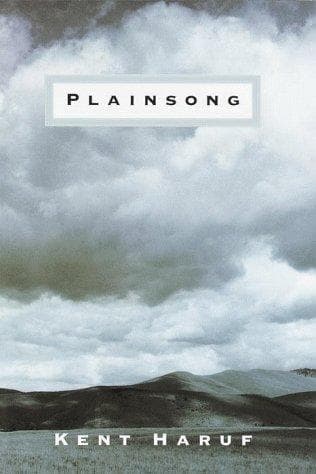
Book details and cover from Google Books.
Ready to read Plainsong?
Get your copy on Amazon, or listen to it on Audible. We earn a commission if you buy through these links.