
We earn a commission if you buy through these links. Learn more
Pawn of Prophecy
Guide by the Books of the Day editors · Updated · How we write our guides
A light, funny, fast-moving start to epic fantasy, where a reluctant farm boy is swept into a prophesied quest and a band of companions who bicker their way across a varied map.
What Creators Say About Pawn of Prophecy
2 creators reviewed Pawn of Prophecy on YouTube between 2015 and 2025, with 28.3K views between them. Their opinions are their own; we picked these reviews, we didn't write them.
What It's About
Pawn of Prophecy is the first volume of The Belgariad, David Eddings' five-book epic fantasy. It follows Garion, a farm boy in a quiet corner of the western kingdoms who lives with an aunt and an older man he has always been told is his uncle. Before long his ordinary life gives way to a journey across a large map of distinct kingdoms, each with its own accents, customs, and grudges.
The book's approach is brisk and playful. Eddings writes in plain, conversational prose, and much of the pleasure comes from dialogue: companions tease, argue, and trade wisecracks as they travel. The story moves through roads, towns, and encounters rather than lingering anywhere, so the pace stays quick. The travelling party is built from clear, memorable personalities, which makes the group feel like good company you enjoy spending time with.
Reading it feels like settling into a cheerful, familiar adventure. It is less about dense world-building or moral ambiguity than about momentum, friendship, and the comfort of recognizing character types and their rhythms. Readers who want an easy, reassuring entry into epic fantasy will find it simple to follow, and it rewards them quickly with humor and forward motion.
Read this if you…
- want a light, funny epic fantasy that moves quickly
- enjoy companion-driven quests where the banter matters as much as the battles
- plan to read a long series and want a clear, accessible opening volume
Skip it if you…
- want morally complex characters, grim violence, or a slow-burn literary style
- find constant bantering dialogue and repeated phrasing tiresome
Key Ideas
- 1
A destiny that feels arranged by others
The prophecy frames Garion's journey as something set in motion by powers he cannot see or control. The book keeps returning to how much real choice a reluctant hero has, and it treats fate less as a mystery to solve than as a board on which ordinary people are moved about by much older contests.
- 2
A found family on the road
The heart of the book is its companions, who differ in temperament, background, and skill. Their evolving loyalties and easy teasing give the story warmth, and the sense of a traveling household matters as much to the reader's attachment as the quest itself.
- 3
Humor as a steady undercurrent
Eddings often deflates tense moments with a joke or a character's dry reaction. The comedy is not separate from the adventure; it sets the tone, keeps danger from feeling oppressive, and gives the dialogue much of its energy.
- 4
Familiar fantasy archetypes, used on purpose
Mentor figures, a chosen youth, and looming dark forces all appear here. Eddings uses these conventions as a dependable framework rather than subverting them, so the pleasure lies in how comfortably the familiar pieces are arranged and how the characters play against them.
- 5
A world revealed through travel
Rather than explaining its setting in long lore passages, the book shows a range of cultures by moving through them. Each stop offers a different flavor of society, and the sense of a large, varied map builds gradually as the travelers cross it.
Limitations
Critics often point to repetitive phrasing, stock characters, and a plot that follows prophecy closely, which lowers the suspense about whether the heroes will reach their goals. Female characters are powerful in concept but often seen mainly through Garion's eyes and given less interiority than the men. The world-building is serviceable rather than deep, and the book's 1980s genre habits, especially its tidy good-versus-evil framing, can feel familiar or dated to readers used to more recent fantasy.
Questions Readers Ask
- Is Pawn of Prophecy worth reading if I don't plan to finish the series?
- It has a satisfying shape of its own as a first act and introduces the main cast well. However, it is the opening of a five-book saga and ends with the larger story still in motion, so most readers who enjoy it will want the next volume. If you only want a single standalone novel, look elsewhere.
- How does it compare to The Lord of the Rings?
- Both feature a company traveling across a wide map toward a dangerous goal. Eddings is lighter, faster, and far more comic, with snappier dialogue. Tolkien is slower, more mythic, and more elegiac in tone. Readers who want the sense of ancient history and deep lore will find Tolkien richer, while Eddings offers easier momentum.
- Does the book still hold up today?
- As a classic of 1980s epic fantasy it remains readable and enjoyable, especially for its humor and pace. Its prophecy-driven structure and stock archetypes can feel familiar to modern readers, so it works best if you appreciate the genre's comforting conventions rather than expecting innovation.
- Published
- 1982
- ISBN
- 9783404201891
- Difficulty
- beginner
- Category
- Fiction
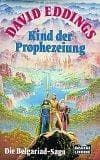
Book details and cover from Google Books.
Ready to read Pawn of Prophecy?
Get your copy on Amazon, or listen to it on Audible. We earn a commission if you buy through these links.