
We earn a commission if you buy through these links. Learn more
Orlando
Woolf's playful, gender-shifting satire of biography and English history is a fast, witty novel that rewards readers who enjoy literary games and sly commentary.
What It's About
Orlando is a young nobleman in Elizabethan England who wins the favor of the court and then, improbably, keeps living for centuries without visibly aging. Partway through the book he wakes up as a woman and carries on through the seventeenth, eighteenth, and nineteenth centuries until the present day of the novel's composition in 1928. The story is less a plot than a chain of episodes, each one a chance for Woolf to test a new idea about identity, status, and what a life amounts to.
Woolf frames the book as a biography, complete with a narrator who comments on sources, admits to gaps, and mocks the conventions of Victorian lifewriting. The prose also shifts style with each era, borrowing the manner of different centuries of English writing, so the reading experience becomes a kind of running joke about how literary periods shape the way we see the past. The tone is light, ironic, and often very funny, with serious points slipped in between the jokes.
Reading Orlando feels like being let in on a private game. It is short, quick to read, and more like a comic essay on gender, clothing, and the act of writing about a person than a conventional novel. It is also widely understood as a playful love letter to Vita Sackville-West, whose life inspired the character, and that background adds warmth to the wit. Expect a book that rewards attention to its allusions and tone more than emotional immersion.
Read this if you…
- enjoy witty, self-aware narrators who play with the reader
- are curious about how gender and identity were treated in literary satire
- want a short, inventive novel that rewards close attention to tone
Skip it if you…
- need a strong plot with suspense or a clear path to an ending
- prefer emotionally intense novels with deep character immersion
Key Ideas
- 1
Biography turned into a comic form
Woolf uses the trappings of a serious life story, including confident claims, mock-scholarly asides, and an authoritative narrator, and then undermines them. The result is a sharp look at how biographers invent order and coherence for lives that are messier than their books suggest. You will find yourself questioning every confident sentence the narrator offers.
- 2
Identity as a matter of clothes and roles
The change of sex at the book's midpoint is handled with wit rather than drama. Woolf treats gender as something largely enacted through dress, manners, and social expectation, and she shows how the same person can be read very differently depending on what they wear and where they stand. The idea is playful, but it is pressed with real intelligence.
- 3
A self that persists across centuries
Despite the extraordinary length of Orlando's life, the book keeps asking what remains constant in a person over time. Woolf suggests that the core self survives changes of body, century, and social position, while the surface keeps reinventing itself. This question gives the episodic structure a quiet emotional spine.
- 4
Style that changes with each era
Each period of the story is written in a voice that echoes the literary fashions of its time. This pastiche is part homage and part satire, and it turns the novel into a survey of English prose as well as a story about one person. Readers who know the period styles will get more out of the jokes, but the shifts are fun even without that background.
Limitations
Some readers find the book thin, because its episodes are linked more by idea and mood than by plot, and the satire can feel dated if you do not know the English literary history it mocks. Its treatment of gender reflects the thinking of its own time and does not engage with later theory, which some modern readers will find limited. The Sackville-West connection is charming but may feel like an inside joke to anyone without that context. The jokes about social class and empire can also read as products of their era.
Questions Readers Ask
- Is Orlando a good first Virginia Woolf novel?
- It can be a good entry point because it is shorter and more playful than Mrs Dalloway or To the Lighthouse. Its humor makes it easier to enter than her more interior novels. However, it leans heavily on satire of English literary history, so readers who want a more conventional emotional story may find Mrs Dalloway a better first step.
- Is Orlando still relevant today?
- Yes, many readers find it fresh because its questions about gender, identity, and how lives are narrated remain active. Its satire of biography is still sharp. The book reflects 1920s attitudes in places, but its playfulness and its doubts about fixed identity still speak to contemporary readers who enjoy inventive fiction.
- Published
- 1928
- ISBN
- 9798624409477
- Difficulty
- intermediate
- Category
- Fiction
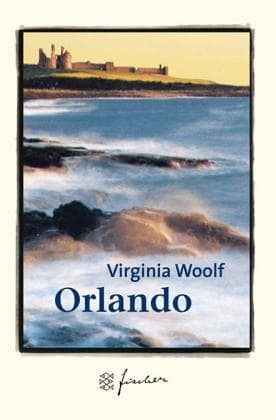
Book details and cover from Google Books.
Ready to read Orlando?
Get your copy on Amazon, or listen to it on Audible. We earn a commission if you buy through these links.