
We earn a commission if you buy through these links. Learn more
One for the Murphys
Guide by the Books of the Day editors · Updated · How we write our guides
A tender, unhurried middle-grade novel about a girl who has learned not to trust a home, and what it takes for her to let one in.
What Creators Say About One for the Murphys
1 creator reviewed One for the Murphys on YouTube between 2014 and 2020, with 5.3K views between them. Their opinions are their own; we picked these reviews, we didn't write them.
What It's About
One for the Murphys follows Carley, a sixth grader who has been moved from one temporary placement to another and has stopped expecting anything to last. When she lands with a new foster family, she responds the way she has learned to: keeping people at arm's length, guarding her things, and waiting for the inevitable move. The story is told from her point of view, so the reader sees the gap between what she feels and what she is willing to say. Her history comes out in pieces, which keeps her guarded tone feeling earned rather than dramatic.
Hunt writes in short, clear sentences and keeps the scale small: a school, a neighborhood, a kitchen table. Nothing about the prose is showy. Its power comes from ordinary moments, a classroom exchange or a shared chore, that carry emotional weight because Carley reads every gesture as a possible sign that she will be sent away again. Hunt avoids melodrama and trusts small details to do the work.
Reading it feels like sitting with a child who is slowly, reluctantly testing whether a place is safe. It is a gentle, often moving book with humor in its quieter corners, and it asks readers to be patient with a narrator who is not ready to be easy to love. Expect a quick read, with feelings that linger after the last page.
Read this if you…
- want a tender middle-grade novel about trust and belonging
- enjoy quiet, character-driven stories with emotional honesty
- are looking for a book to share with a child who is adjusting to big changes
Skip it if you…
- need a fast-moving plot or big twists
- want a detailed, realistic portrait of how the foster care system works
Key Ideas
- 1
Trust as a risk worth taking
Carley's defenses make sense once you see her history. The book treats trust not as a switch to flip but as a gamble she must decide to make again and again, with every chance of getting hurt. Readers watch her weigh each small opening against the memory of past losses.
- 2
Home that is earned, not assigned
A foster placement is a legal arrangement, but the book asks a harder question: when does a house become a family? Belonging here grows through routine, repeated kindness, and being allowed to make mistakes without being discarded. The story suggests that permanence is built slowly rather than granted on paper.
- 3
Small kindnesses and the people around her
Friendships and adult attention shift Carley's view in modest steps rather than through grand speeches. Hunt shows how a teacher, a classmate, or a family member can matter by being consistent. The emotional payoff comes from these accumulated gestures, not from any single dramatic rescue.
- 4
A narrator who hides what she feels
The distinctive craft lies in the distance between Carley's inner world and her outward behavior. Readers often understand her better than she understands herself, which makes the book feel intimate and sometimes painful. The voice does most of the work, so the reader becomes an ally who sees what she cannot yet say.
Limitations
The book is short and deliberately small in scope, so readers who want a sweeping story or a complex cast may find it slight. Its pacing is slow in places, and some readers will feel the emotional resolution arrives a little neatly. Because the story stays with one child's perspective, it does not explore the institutional side of foster care, such as caseworkers, court processes, or the experiences of birth families. Adult readers may find the emotional beats familiar, though the book's warmth and specificity still hold up well.
Questions Readers Ask
- Is One for the Murphys only for children, or can adults enjoy it?
- It is written for middle-grade readers, but adults often find it moving, especially those who work with children or who have been in a new household themselves. The language is simple and the chapters are short. Adults looking for complex themes or literary density may find it lighter than they want, but the emotional honesty works at any age.
- How does it compare to Fish in a Tree by the same author?
- Both books follow a child who hides a painful secret behind a tough exterior, and both use a clear, accessible voice. Fish in a Tree centers on a student struggling with learning and the shame that comes with it. One for the Murphys focuses more on the uncertainty of foster care and the slow work of trusting a family. Readers who liked one will likely appreciate the other.
- Published
- 2012
- ISBN
- 9780142426524
- Difficulty
- beginner
- Category
- Fiction
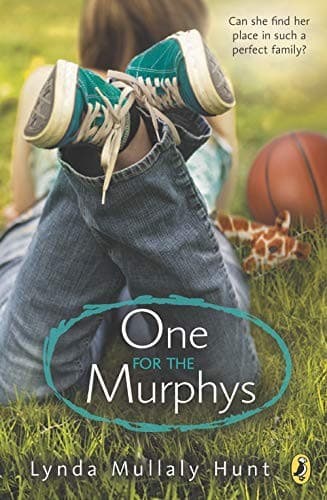
Book details and cover from Google Books.
Ready to read One for the Murphys?
Get your copy on Amazon, or listen to it on Audible. We earn a commission if you buy through these links.