
We earn a commission if you buy through these links. Learn more
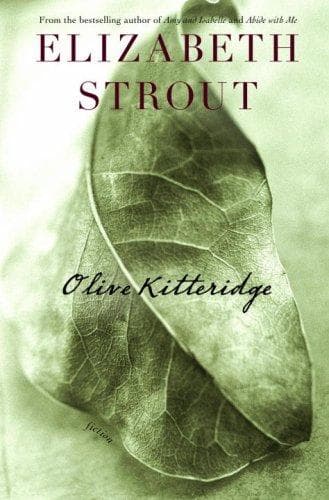
Olive Kitteridge
by Elizabeth Strout, Rosa Perez Perez
Guide by the Books of the Day editors · Updated · How we write our guides
Thirteen linked stories that build a full portrait of a difficult, funny, often unlikable woman in a Maine town, and of the people who cross her path.
What It's About
Olive Kitteridge is a set of thirteen linked stories set mostly in Crosby, a fictional coastal town in Maine. It is built around Olive, a former junior high math teacher whose bluntness makes her hard to like and hard to forget. Each story centers on a different character. Olive is the main presence in some and only a glancing figure in others, so the book gradually adds up to a novel-like portrait of a community across many years.
Strout's style is spare and precise. The sentences are plain, the narration moves between characters' inner lives, and the emotional weight comes from small domestic moments and sudden sharp observations rather than from set-piece drama. Several stories read as complete short fiction on their own, which makes the book easy to pick up in sittings.
Reading it is an uneven and humbling experience. Olive is rarely comfortable company, and the book does not ask you to approve of her. What it offers instead is the sense of watching someone slowly understood, and of recognizing how much of a life happens out of view. Expect real sadness alongside dark humor.
Read this if you…
- want character-driven fiction where the people feel lived-in more than the plot moves
- enjoy linked story collections such as Winesburg, Ohio
- are interested in aging, marriage, and everyday life in New England
Skip it if you…
- need a fast-moving plot or a protagonist you can easily root for
- find depictions of depression and suicidal thoughts too heavy to sit with
Key Ideas
- 1
A heroine who resists being liked
Olive's harshness is never softened for the reader's comfort. The book lets her stay difficult, and it asks you to look past your first impressions of her. Her flaws are not decorations on a lovable core. They are part of how she moves through the world, and the stories show what that costs her and the people near her.
- 2
Marriage as long, unspoken negotiation
Olive and her husband Henry, a pharmacist, show how decades together can hold affection, irritation, and distance all at once. The book is less interested in romance than in the daily accommodations people make, and in the things they never say to each other even after years of living side by side.
- 3
Private struggles behind small-town manners
Many characters carry loneliness, depression, or quiet despair while keeping up the polite surfaces a small town expects. Strout shows how easily neighbors can miss what is happening inside each other's houses, and how rarely anyone asks the direct question.
- 4
The linked-story form as a whole
Each chapter shifts point of view, and the gaps between stories do much of the work. Readers assemble the larger picture themselves, noticing how a minor character in one story becomes the center of another. The structure rewards attention and rereading more than it rewards speed.
- 5
Compassion without easy resolution
The book is generous toward its characters but does not tie their troubles into neat lessons. Moments of grace arrive briefly and are often complicated by what comes after. That refusal to offer tidy comfort is a large part of why the book feels honest.
Limitations
Some readers find the book's gloom relentless, and Olive's meanness can wear thin over a long stretch. The world it covers is almost entirely white, small-town, and middle-class Maine, and it does not range far beyond that, which is a deliberate limit but a real one. Its quiet style may leave readers who want big set pieces feeling that little happens. Published in 2008, it also reflects the attitudes of its era toward mental health and medication. The listing credits Rosa Perez Perez as co-author, but the edition I know is by Strout alone, so check the cover before buying.
Questions Readers Ask
- Is Olive Kitteridge worth reading if I usually avoid unlikable characters?
- It can be, but go in knowing Olive is not redeemed in any simple way. Many readers find that her unpleasantness becomes more understandable as the stories go on, and that the other characters are where much of the warmth lies. If you need to like the main character to stay engaged, you may find this one hard going.
- Do I need to read the stories in order?
- Reading them in the order printed is the best approach, since the book's cumulative effect depends on how characters reappear and change. Each story also works on its own, so you can read one at a time without losing the thread completely.
- Is there an adaptation of the book?
- Yes, HBO made a miniseries based on the book in 2014, starring Frances McDormand as Olive. Many viewers find it a useful companion, but the book's quieter interior perspective is different from what the screen version can show, so reading the book first is usually more rewarding.
- Published
- 2007
- ISBN
- 9788415325604
- Difficulty
- intermediate
- Category
- Fiction
Book details and cover from Google Books.
Ready to read Olive Kitteridge?
Get your copy on Amazon, or listen to it on Audible. We earn a commission if you buy through these links.