
We earn a commission if you buy through these links. Learn more
Old Yeller
by Fred Gipson
A tough, unsentimental boyhood story of Texas frontier work, where a stray dog earns its place slowly and the cost of loyalty feels real.
What It's About
Old Yeller is a 1956 novel set on a Texas farm in the years after the Civil War. Fourteen-year-old Travis Coates is left in charge of the homestead and his younger brother while their father is away, and he is far from ready for it. The story follows the boy through a year of hard work, small triumphs, and frustrations, with the yellow mongrel of the title entering his life as a nuisance and gradually becoming something closer to family.
Gipson writes in a loose, spoken voice, with Travis narrating in the plain idiom of a rural boy who has learned more from weather, animals, and necessity than from school. The chapters move episodically, so the book feels more like a run of connected scenes from frontier life than a tightly plotted thriller. Hunting, horse work, livestock, and the daily labor of keeping a homestead alive give the story its texture.
The experience is quiet at first and then steadily more intense. Gipson lets the reader come to care about the dog and the boy before he asks anything heavy of either, and the book's emotional weight comes from the slow accumulation of trust rather than from big set pieces. It reads quickly and stays with you longer than its length suggests.
Read this if you…
- want a classic about a boy growing up fast on a frontier farm
- like emotional stories that build slowly and do not rely on sentiment alone
- are interested in how rural Texas life was actually lived in the post-war years
Skip it if you…
- need fast, plot-driven fiction with frequent twists or cliffhangers
- find dialect-heavy narration tiring or dated in tone
Key Ideas
- 1
Responsibility arrives before readiness
Travis is handed adult duties long before he has the judgment or strength to carry them. Much of the book's tension comes from watching him try to be the man of the house while still being a frightened, impulsive kid. Gipson treats this gap between obligation and capacity seriously rather than as a source of easy comedy.
- 2
Loyalty built through daily work
The bond between boy and dog is not declared but earned through shared chores, hunts, and small acts of protection. Gipson shows trust as something that accumulates over months, which makes the relationship feel more credible than most dog stories. Readers who want affection to feel earned will notice this craft.
- 3
Frontier life as ordinary labor and danger
The book presents the period less as romantic adventure than as constant practical work: fencing, stock, weather, and the everyday risks of living far from help. Danger is real but usually arrives in the middle of routine tasks. This grounding gives the historical setting a lived-in quality.
- 4
Honest handling of grief and hard choices
Gipson does not shield his young narrator from the moral weight of decisions that adults face. The book asks what it means to do a painful duty without flinching and how a child absorbs that kind of lesson. It is this seriousness, more than the plot mechanics, that gives the novel its lasting reputation.
Limitations
The book's episodic structure can feel loose to modern readers used to tighter plotting. Its voice and some period attitudes toward race, ethnicity, and other peoples read as dated, and adults may notice them more than younger readers did. The emotional payoff depends on your willingness to invest in a slow build. Many people know the story mainly through the 1957 Disney film, which simplifies and reshapes the material, so the novel may feel different from what you remember.
Questions Readers Ask
- Is Old Yeller only for children?
- It is often taught and read in middle school, but it works well for adults who enjoy coming-of-age fiction. The prose is simple, yet the questions about duty and loss are serious. Adult readers tend to notice the period attitudes and the book's gentle pacing more than younger readers do, so approach it with that in mind.
- How does it compare to Where the Red Fern Grows?
- Both are classic American dog novels with a boy at their center, but Gipson's book is more episodic and set in a harsher, more practical frontier world. Rawls's novel is more openly sentimental from the start. If you want a story that earns its emotion through daily hardship rather than lyrical devotion, Old Yeller is the sturdier choice.
- Published
- 1920
- ISBN
- 9780439159364
- Difficulty
- beginner
- Category
- Fiction
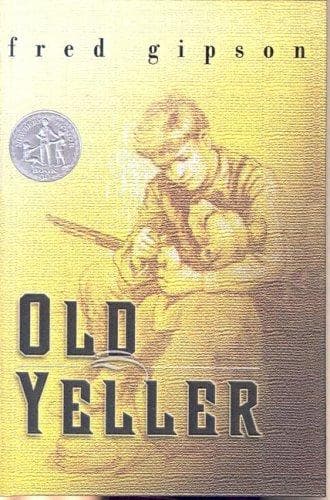
Book details and cover from Google Books.
Ready to read Old Yeller?
Get your copy on Amazon, or listen to it on Audible. We earn a commission if you buy through these links.