
We earn a commission if you buy through these links. Learn more
Never Cry Wolf
by Farley Mowat
Guide by the Books of the Day editors · Updated · How we write our guides
A vivid, funny, deliberately provocative Arctic memoir that reframes wolves as misunderstood, best read as literature and argument rather than settled field science.
What Creators Say About Never Cry Wolf
2 creators reviewed Never Cry Wolf on YouTube between 2018 and 2024, with 3.9K views between them. Their opinions are their own; we picked these reviews, we didn't write them.
What It's About
Never Cry Wolf is Farley Mowat's account of being sent into the Canadian Arctic to investigate whether wolves were responsible for the decline of caribou herds. The official assignment becomes a long, solitary stay in the tundra, where Mowat camps near a wolf family and tries to see for himself what the animals eat and how they live.
Mowat's approach is personal and digressive. He mixes field observation with jokes, grudges against bureaucrats and hunters, and reflections on what people want to believe about predators. The voice is conversational and quick, and the descriptions of the land, weather, and animals are sensory rather than technical. Reading it feels like sitting with a storyteller who has strong opinions and enjoys being contrary.
It is less a manual than an essay in persuasion. Mowat wants readers to see wolves differently, and he builds his case through anecdote, hunger, and scorn for official myths. That makes the book hard to put down, but it also means the line between what he watched and what he argues is often blurred. Treat it as a lively piece of nature writing with a point to make.
Read this if you…
- enjoy warm, funny first-person nature writing with a strong narrative voice
- want to understand how wolves have been misrepresented in popular and official thinking
- like books that argue a case and let you weigh the evidence yourself
Skip it if you…
- need accurate, up-to-date wolf biology or a reliable field guide to predator behavior
- prefer memoirs that keep a clear line between documented fact and storytelling
Key Ideas
- 1
Wolves as misunderstood predators
The central argument is that wolves were widely blamed for damage they did not cause. Mowat presents them as cautious, resourceful animals whose role in the ecosystem was misread by people who expected them to be caribou killers. Whether his specific conclusions hold up is debated, but the broader point about wolves being maligned has stayed influential.
- 2
How myths drive policy and hunting
Mowat shows how bounties, official reports, and hunters' assumptions can shape wildlife management more than careful observation does. The book is as much about institutional habit as it is about animals, and its satire of officialdom is one of its most memorable features.
- 3
Learning through solitary immersion
Much of the book's power comes from Mowat's decision to live close to the land and watch rather than rely on secondhand data. The reader feels the cold, the monotony, and the slow accumulation of small observations, which gives the argument an experiential weight that a survey would lack.
- 4
Wilderness as a mirror for human values
Mowat uses the Arctic to examine how civilized people project fear, greed, and sentiment onto other species. Wolves become a way of questioning what humans think of themselves, and the book's sharpest passages turn that scrutiny back on the reader's own assumptions.
Limitations
The science is dated and has been challenged by later biologists, who have questioned the book's claims about wolf diet and the scale of their effect on caribou. Mowat's narrative mixes observation, anecdote, and polemic, so specific details are hard to verify. Some attitudes toward hunters, officials, and Indigenous and northern communities reflect the period in which it was written. The book is valuable as a cultural and literary work, not as a current scientific source.
Questions Readers Ask
- Is Never Cry Wolf a productivity book?
- No. Despite its category listing, it has nothing to do with productivity, habits, or work systems. It is a nature memoir about an assignment to study wolves and caribou in the Canadian Arctic. If you were looking for practical advice on getting things done, this book will not help, but readers who enjoy observational nature writing usually find it rewarding.
- Is the book's account of wolves accurate?
- Many of its claims are disputed. Later biologists have questioned how far Mowat's observations can be generalized, especially regarding what wolves eat and how much they affect caribou. Read it as a provocative literary account that shaped public opinion, and check current wildlife research if you need reliable facts about wolves.
- How does it compare to other nature classics?
- It is more personal and more polemical than most wildlife writing. Where a scientific study would emphasize data and caveats, Mowat leans on humor, anger, and vivid scenes. If you want a more rigorous, research-based account of wolves, pair it with a modern natural history of the species.
- Published
- 1963
- ISBN
- 9780531002483
- Difficulty
- beginner
- Category
- Productivity
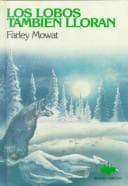
Book details and cover from Google Books.
Ready to read Never Cry Wolf?
Get your copy on Amazon, or listen to it on Audible. We earn a commission if you buy through these links.