
We earn a commission if you buy through these links. Learn more
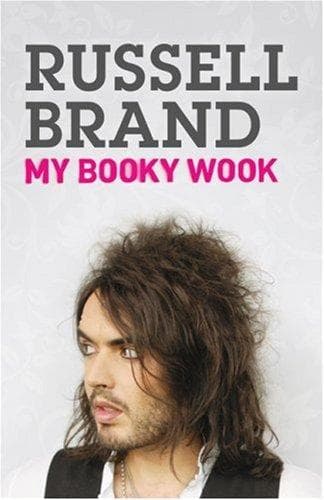
My Booky Wook
Guide by the Books of the Day editors · Updated · How we write our guides
A funny, frank memoir of an Essex boyhood turned chaotic addiction, written in the vivid, word-loving voice that made Russell Brand a star.
What Creators Say About My Booky Wook
1 creator reviewed My Booky Wook on YouTube in 2011, with 1.9K views between them. Their opinions are their own; we picked these reviews, we didn't write them.
What It's About
My Booky Wook is Russell Brand's autobiography, published in 2007. It covers his working-class childhood in Essex, his teenage years, and the long slide into heroin and other drug use that shaped much of his twenties. It is not a neat rise-and-recovery story. Brand jumps around, circles back, and often stops to tell you what he was thinking, which makes the book feel more like a conversation with a very talkative friend than a formal life record.
The prose is the main attraction. Brand writes with a deliberately showy vocabulary, playful spelling, digressions into philosophy and pop culture, and a self-mocking streak that keeps the darkest material from becoming unbearable. Some readers find the wordplay exhausting; others find it the most exhilarating thing about the book. Either way, the comic timing of a stand-up performer is on nearly every page.
The experience is uneven by design. Lighter scenes of adolescent awkwardness and youthful misadventure give way to passages about addiction that are blunt and unsentimental. The book reads quickly, but its emotional register shifts often, so it is best approached as a candid, sometimes uncomfortable portrait of a man trying to make sense of himself rather than as a guide to getting clean.
Read this if you…
- want a funny, candid memoir of addiction and recovery told by a comedian
- enjoy dense, playful, wordy prose and do not mind being talked at
- are curious about working-class British upbringing and the 2000s comedy scene
Skip it if you…
- want a clinical or detailed account of addiction treatment
- find crude humour, self-indulgence or constant wordplay grating
Key Ideas
- 1
Class, place and feeling like an outsider
Brand frames his Essex upbringing as a source of both humour and alienation. He writes about struggling to fit into school and social hierarchies, and about how a working-class background shaped his sense of who was allowed to be clever, glamorous or successful.
- 2
Addiction as an endless search for relief
He describes compulsive drug and sex use as attempts to fill a persistent sense of emptiness. The book treats addiction as a problem of appetite and self-deception rather than simple weakness, though it never reduces it to one tidy cause.
- 3
Language as a tool for survival
Brand's love of words, reading and performance appears as a way of handling insecurity and winning attention. The showy style is not just decoration; it is part of the argument about how he tried to present himself to the world.
- 4
Recovery as testimony rather than neutral report
The later sections turn toward twelve-step recovery and a search for meaning. Readers should expect a personal testimony with a clear point of view, not an impartial account of treatment or of the science of addiction.
Limitations
Many critics felt the book leans heavily on its author's self-image, and that its jokes sometimes cover for gaps in self-examination. Brand's account of his own behaviour is shaped by memory and by a performer's storytelling instincts, and he offers no independent sources to check it. Drug use and sexual content are described frankly, which some readers will find off-putting. The book also reflects a specific moment in British celebrity culture, so some references may feel dated, and it is not a reliable guide to recovery methods or medical facts.
Questions Readers Ask
- Is My Booky Wook worth reading if I don't like Russell Brand's stand-up?
- It might be. The memoir shows a different side of him: the stage persona is sharper and more performed, while the book offers more vulnerability and personal history. Readers who find his stage style irritating may still appreciate the writing, but if his tone grates in person, the wordplay will likely tire you on the page too.
- How does it compare to other celebrity addiction memoirs?
- It is more verbally playful and comic than many, and less polished or tidy in structure. Readers who enjoy a rambling, rock-and-roll confession might also try Keith Richards's memoir Life, which has a similarly candid tone but a more meandering shape. Anyone wanting a sober, restrained account may prefer a different book.
- Published
- 2007
- ISBN
- 9780340936153
- Difficulty
- intermediate
- Category
- Biographies
Book details and cover from Google Books.
Ready to read My Booky Wook?
Get your copy on Amazon, or listen to it on Audible. We earn a commission if you buy through these links.