
We earn a commission if you buy through these links. Learn more
Mama Day
A richly layered Southern novel where Black folk tradition, island legend, and a fraught marriage meet, rewarding readers willing to slow down for its rhythms and shifting voices.
What It's About
Mama Day follows Cocoa, a woman raised in Harlem, who marries George Andrew Way, a man who grew up on Willow Springs, a small community on an island off the Georgia coast. Willow Springs runs on its own customs and its own memory, and at the center of it stands Miranda Day, known as Mama Day, a herbalist and healer whom the islanders regard with a mix of reverence and wariness. Cocoa has come from a city that prizes speed and self-reliance, and the island tests every assumption she brings with her.
Naylor builds the book from many angles. Chapters move between voices and across time, and the islanders' speech carries the cadence of the place. Woven through the realistic family story is a founding legend about a woman named Sapphira Wade, which gives the novel a mythic undercurrent. The structure also echoes Shakespeare's The Tempest, a presence you feel more than you are asked to decode.
Reading Mama Day is an immersive, sometimes demanding experience. It asks you to trust the narrative, hold several timelines in your head, and accept that the supernatural and the ordinary are not separate categories on Willow Springs. The payoff is a book that feels both intimate and expansive, full of humor, grief, and the stubborn pull of home.
Read this if you…
- love novels that examine marriage across cultural and regional divides
- want Southern and African American fiction with a folkloric, mythic texture
- enjoy books that play with time, narrators, and the line between legend and realism
Skip it if you…
- need a fast plot with clear, linear momentum
- prefer stories with tidy resolutions and no supernatural ambiguity
Key Ideas
- 1
Love tested by place and belonging
At its heart the novel asks what happens when two people love each other but want different things from where they live. Cocoa's sense of self is shaped by the city, while George is bound to the island's history. Naylor treats this conflict without easy villains, showing how affection can be real and still fail to bridge a gap in worldview.
- 2
Folk knowledge as a living way of knowing
Mama Day's herbal remedies, weather sense, and community authority are presented as serious forms of knowledge rather than superstition. Naylor makes the reader feel how such practices hold a community together, while also letting skeptics like Cocoa remain unconvinced. The book refuses to settle the argument for you.
- 3
Community as refuge and constraint
Willow Springs protects its people through shared history, land, and loyalty, yet those same bonds can narrow choices and demand conformity. The novel examines the cost of belonging somewhere that remembers everything. Readers interested in African American communities built on self-determination will find this theme especially rich.
- 4
Storytelling through many voices
Naylor's distinctive craft lies in how she passes the story among narrators and periods, so that a single event looks different depending on who tells it. The shifting perspectives make the book feel communal, as if the island itself is speaking. The technique takes adjustment but pays off in depth.
Limitations
Some readers find the narrative shifts disorienting, and the dialect and dense interior voices can slow the early chapters considerably. The mythic elements are deliberately ambiguous, which frustrates readers who want a firm explanation. The book's portrayal of island life is specific to one place and era, so it does not offer a broad survey of Black rural experience. Naylor's heavy reliance on Shakespearean echoes may feel overt to some and obscure to others.
Questions Readers Ask
- Is Mama Day a good first Gloria Naylor novel?
- It can be, though it is among her more ambitious books. If you are new to her work, Naylor's earlier novel The Women of Brewster Place is shorter and more direct, and it can prepare you for her voice. Mama Day rewards patience, so it suits readers who are comfortable with fragmented structure and layered narration.
- Does Mama Day still hold up today?
- Yes. Its concerns with community, place, and the tension between tradition and modern life remain current, and its portrait of a Black island community is still uncommon in mainstream fiction. Some stylistic choices reflect late-1980s literary fashion, but the emotional core and the questions about belonging feel fresh.
- Published
- 1988
- ISBN
- 9780816146925
- Difficulty
- intermediate
- Category
- Fiction
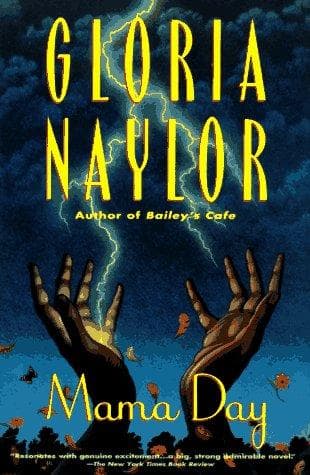
Book details and cover from Google Books.
Ready to read Mama Day?
Get your copy on Amazon, or listen to it on Audible. We earn a commission if you buy through these links.