
We earn a commission if you buy through these links. Learn more
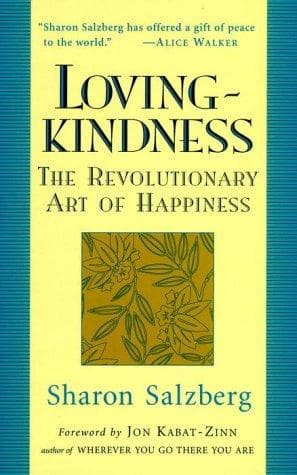
Lovingkindness
A clear, patient guide to metta meditation that treats loving-kindness as a skill you can train, starting with yourself, and it stays honest about how hard that is.
What It's About
Lovingkindness, first published in 1995, is Sharon Salzberg's introduction to metta, the Buddhist practice of cultivating goodwill. It works less like a philosophy book and more like a training manual, with reflections drawn from the meditation tradition Salzberg studied and taught. She writes as a teacher who expects readers to try the practices rather than simply agree with her.
The book unfolds the practice in a deliberately gradual order. Readers learn to direct simple wishes for well-being toward themselves first, then toward people who have helped them, then friends, strangers, and eventually people they find difficult. Along the way Salzberg explains why starting with oneself is not indulgent, and why resistance, numbness, and self-criticism are normal obstacles rather than signs of failure.
The tone is warm, direct, and unhurried. Salzberg mixes instruction with observations about everyday relationships and the mind's habits, and she returns again and again to the idea that love is a capacity that grows with use. Reading it feels more like being coached than informed. Short passages invite you to pause, notice what is happening, and try a phrase before moving on, so it is a book you finish slowly and revisit.
Read this if you…
- want a structured, beginner-friendly introduction to loving-kindness meditation
- feel stuck in self-criticism and want a gentler way to relate to yourself
- are curious about Buddhist practice without needing its doctrine up front
Skip it if you…
- want a scholarly history of Buddhist texts or doctrinal debate
- prefer quick, strategic self-help with checklists and measurable results
Key Ideas
- 1
Loving-kindness is a trainable skill
Salzberg frames warmth as something cultivated through repeated practice rather than a fixed personality trait. Readers who assume they are simply not warm people get a different starting point. The practice is repetitive, closer to learning an instrument than absorbing an idea, and progress comes from returning to it even on dull days.
- 2
Starting with yourself, not as an afterthought
The sequence begins by directing goodwill inward, which many readers find the hardest step. Salzberg treats self-acceptance as a foundation rather than vanity. Her argument is that it is difficult to offer others real goodwill while holding yourself in contempt, so the inward step is structural to the whole method.
- 3
Widening outward to difficult people
The practice expands in stages toward benefactors, friends, neutral people, and then those who cause friction in your life. This gradual widening is the core of the method. The later stages are where the book becomes most challenging, and they are the most useful for everyday conflict and resentment.
- 4
Obstacles are part of the practice
Salzberg gives real attention to resistance, boredom, self-judgment, and the feeling that the phrases are empty. She treats these experiences as information about the mind to be worked with rather than failures to hide. Readers who feel cynical about the whole idea will find this material especially honest.
Limitations
The book is rooted in Theravada meditation and assumes some comfort with its vocabulary, although key terms are explained. Some readers find the tone earnest and the repetition of phrases tiresome. It focuses on how to practice rather than on applying compassion to politics, justice, or social problems. Written in 1995, its framing reflects the self-help culture of its era, so readers wanting current research on compassion will need to look elsewhere.
Questions Readers Ask
- Do I need to be Buddhist or already meditate to get value from it?
- No. Salzberg writes for general readers and explains the practice from the ground up. The book's roots are in Buddhist teaching and it does not hide them, but you do not need to adopt any belief. Patience with simple, repeated exercises matters more than prior experience.
- How does it compare with a more secular guide to self-compassion?
- Salzberg's approach is centered on meditation rather than therapy. If you want exercises for self-criticism framed in clinical language, Kristin Neff's Self-Compassion may suit you better. Salzberg gives you a daily practice and a wider view that extends from yourself into relationships and difficult people.
- Is it still relevant today?
- Yes, the core instructions are timeless. The book predates the wave of mindfulness apps and modern research on compassion, so some of its framing feels dated, but the practice itself has not changed and remains widely taught.
- Published
- 1995
- ISBN
- 9781570621765
- Difficulty
- beginner
- Category
- Self-Improvement
Book details and cover from Google Books.
Ready to read Lovingkindness?
Get your copy on Amazon, or listen to it on Audible. We earn a commission if you buy through these links.