
We earn a commission if you buy through these links. Learn more
Lessons in Chemistry
Guide by the Books of the Day editors · Updated · How we write our guides
Elizabeth Zott's sharp science, dry humor, and righteous anger make this bestselling debut a briskly entertaining look at sexism in 1960s America.
What Creators Say About Lessons in Chemistry
2 creators reviewed Lessons in Chemistry on YouTube between 2022 and 2023, with 235.9K views between them. Their opinions are their own; we picked these reviews, we didn't write them.
What It's About
Lessons in Chemistry follows Elizabeth Zott, a gifted chemist whose research career stalls in a mid-century California lab, where her talent is overlooked because of her gender. She ends up hosting a daytime cooking show that was designed to keep women in the kitchen, but she treats it as a classroom. The novel follows how she and the people around her are pushed toward the lives others expect of them, and how they push back.
Garmus writes in a brisk, wry voice. Scenes are short and dialogue-heavy, and the humor often lands even when the subject is ugly: workplace harassment, the everyday contempt for women who want more than a husband and a home, and the costs of being right in a room full of people who don't want to hear it. The book also shifts perspective, including passages narrated by Six-Thirty, a dog with a fair amount to say about the people around him. That device keeps the story light enough that it never feels like a lecture.
Reading it feels like watching a well-made, tightly plotted television drama. It leans toward the feel-good social novel rather than literary fiction, and its pleasures are character, momentum, and the satisfaction of watching a stubborn, principled woman refuse to shrink. Some readers will find the coincidences and sentimental turns a little convenient, but the warmth and bite usually carry the book through.
Read this if you…
- enjoy character-driven historical fiction with a sharp, funny edge
- want a feminist story that prefers wit and warmth to lectures
- like novels with an eccentric, memorable supporting cast
Skip it if you…
- want a precise, research-driven portrait of 1960s America
- find sentimental plotting and convenient coincidences hard to forgive
Key Ideas
- 1
Science as a way of seeing
Garmus uses chemistry as a working metaphor for how people react, bond, and change under pressure. Elizabeth's habits of precision, evidence, and testing assumptions shape how she handles her career, her home life, and her public role. The lab becomes a lens for judging ideas rather than just a setting.
- 2
The cost of being capable
The novel shows that talent does not protect a woman from an institution that rewards compliance and credits men for her work. It is less interested in individual villains than in the routine ways workplaces and households reward women for staying small. Many of the book's most pointed scenes are about who gets believed and who gets dismissed.
- 3
Domestic life as applied intelligence
The cooking show lets Garmus reframe cooking, household management, and child-rearing as skilled work that requires judgment and knowledge. Elizabeth's approach argues that the kitchen is not a lesser field of expertise. The idea is playful, but it also carries a serious argument about how society values labor.
- 4
Humor as a survival strategy
Garmus keeps the tone sharp and funny even when the material is painful. The wit works as a coping mechanism for the characters and as a way of making the critique easier to absorb. Readers who want their social commentary delivered with bite and a grin will find this a major part of the appeal.
- 5
Unlikely families and loyalty
Much of the emotional weight comes from relationships outside conventional roles, including friendships, mentorships, and makeshift households. The book values chosen loyalty and mutual care as much as biological or legal ties. These connections give the story its warmth and carry much of its emotional payoff.
Limitations
Critics often point to the plot mechanics. Some coincidences and tidy resolutions feel engineered, and a few characters are drawn broadly enough to read as types rather than people. The book concentrates on workplace and domestic politics and is less concerned with the wider social and political history of its era, so readers looking for social history will find it selective. Its voice is deliberately modern, which some readers find anachronistic while others see it as the point. As a debut, its prose is more energetic than refined.
Questions Readers Ask
- Is Lessons in Chemistry a good book club pick?
- Yes. Its clear themes, memorable characters, and many discussion points about sexism, science, family, and ambition make it a strong choice for groups. Members often argue about how realistic the story is versus how convenient. It reads quickly, and the wit gives people plenty to talk about even if they disagree on the ending's tone or the plot's neatness.
- Is Lessons in Chemistry still relevant today?
- Yes. Questions about women in science, the pressure on mothers, and who gets credit for work remain live issues. The period details date the book a little, and its hopeful tone is more generous than many real careers of the era allowed. For readers who want an uplifting take on hard subjects, that optimism is part of its appeal rather than a flaw.
- Published
- 2022
- ISBN
- 9788418681424
- Difficulty
- beginner
- Category
- Fiction
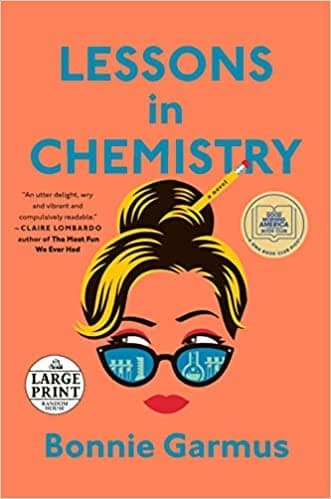
Book details and cover from Google Books.
Ready to read Lessons in Chemistry?
Get your copy on Amazon, or listen to it on Audible. We earn a commission if you buy through these links.