
We earn a commission if you buy through these links. Learn more
Island of the Blue Dolphins
by Scott O’Dell
Guide by the Books of the Day editors · Updated · How we write our guides
A Newbery Medal winner that reads as a study of solitude, skill, and self-reliance, written for young readers but rewarding at any age.
What Creators Say About Island of the Blue Dolphins
2 creators reviewed Island of the Blue Dolphins on YouTube between 2014 and 2024, with 5.8K views between them. Their opinions are their own; we picked these reviews, we didn't write them.
What It's About
Island of the Blue Dolphins follows Karana, a girl of the Nicoleño people, who is left alone on a windswept island off the coast of California after her people leave it. Scott O'Dell based the story loosely on the historical account of a woman who lived alone on San Nicolas Island in the 1800s, but the novel is an invented life shaped to tell a story about endurance and inner resources.
Most of the book goes to practical living: finding water, making tools and clothing, hunting and gathering, and building shelter from whatever the island offers. Readers who enjoy the how-to detail of survival will find it absorbing, and the book pays close attention to the rhythm of days and seasons more than to constant action. Its emotional weight comes from loneliness and the slow work of keeping going.
The experience is calm rather than fast-paced. The narration is first person, the sentences are plain, and the sense of sea and wind is strong. It works both as an introduction to a historical reality and as a meditation on how attention, competence, and a relationship with a place can become a kind of companionship.
Read this if you…
- want a survival story that focuses on daily work and inner life rather than action
- are curious about California's history and the Indigenous people of its islands
- enjoy quiet books where the emotional weight builds slowly
Skip it if you…
- need fast plot and frequent danger to stay engaged
- expect the book to be a detailed ethnography of the Nicoleño people
Key Ideas
- 1
Solitude as a test of character
The island is less a setting than a pressure chamber. Karana has to decide, day after day, whether to fall apart or to keep building a life. The book treats loneliness seriously and asks what a person becomes when no one else is there to judge or help. The answers are quiet rather than dramatic, which is part of what makes the story linger.
- 2
Knowledge of place as survival
Karana's survival depends on learning the island closely: which plants are safe, where fresh water collects, how the tides and animals behave. O'Dell presents this knowledge as a form of respect as well as a practical skill. Readers see a relationship with the land built through observation and patience, rather than through conquest or luck.
- 3
Making things with what remains
Much of the book is about improvisation. Tools, clothing, and shelter are made from bones, feathers, hides, and driftwood, and each new object marks a small victory. This focus on craft gives the story a steady, almost meditative rhythm and makes competence feel earned rather than assumed.
- 4
A real history filtered through fiction
The novel draws on a true story but is not a documentary. O'Dell chose to imagine an interior life for a figure who left few direct records of her own. That gap between history and invention is worth thinking about, especially for readers who want to know how a novel can honor a real person while still shaping her story.
Limitations
Modern readers often note that the book was written by an outsider and that its portrayal of Indigenous life reflects the assumptions of its era. The cultural detail is limited and filtered through one narrator, and some of the historical framing is simplified. The pace is deliberate, and some readers find the long stretches of routine tiring. The book also does not explore the wider history of the mission and colonial period in depth. Teachers often pair it with more recent sources by Native writers for a fuller picture.
Questions Readers Ask
- Is Island of the Blue Dolphins suitable for adults?
- Yes. It is written for young readers, but its spare prose and themes of isolation, resilience, and self-reliance appeal to adults as well. Many people first read it as children and return to it later, noticing the historical questions and the careful attention to place that younger readers may not catch.
- How does it compare to Hatchet by Gary Paulsen?
- Both are survival stories centered on a young person alone in the wilderness. Hatchet is more immediate and action-driven, with a crisis at its core. Island of the Blue Dolphins is slower and more reflective, focusing on routine, craft, and a long relationship with one place. Readers who want tension should choose Hatchet; those who want a meditative pace should choose O'Dell.
- Is the book still relevant today?
- It remains widely taught and read, partly because it raises useful questions about history, voice, and who gets to tell a story. Its portrait of Indigenous life is dated in places, so it is worth reading alongside newer work by Native authors. As a study of solitude and endurance, it still holds up well.
- Published
- 1960
- ISBN
- 9780582416383
- Difficulty
- beginner
- Category
- Children's Books
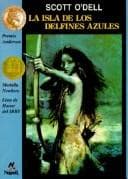
Book details and cover from Google Books.
Ready to read Island of the Blue Dolphins?
Get your copy on Amazon, or listen to it on Audible. We earn a commission if you buy through these links.