
We earn a commission if you buy through these links. Learn more
If I ever get out of here
Guide by the Books of the Day editors · Updated · How we write our guides
A funny, sharp, and tender novel about a Tuscarora teen navigating a mostly white school in 1970s upstate New York, where friendship, music, and everyday racism keep colliding.
What Creators Say About If I ever get out of here
1 creator reviewed If I ever get out of here on YouTube in 2020, with 284 views between them. Their opinions are their own; we picked these reviews, we didn't write them.
What It's About
If I Ever Get Out of Here is a coming-of-age novel for younger teen and middle-grade readers, published in 2013. It follows a Native American boy from the Tuscarora Nation who finds himself at a school where he is one of very few Indigenous students, and where the daily pressures of fitting in, being underestimated, and being treated as an outsider shape nearly everything he does. The book is set in the 1970s and draws on that period's music and culture, which gives the story a specific texture without making it feel like a museum piece.
The narration is conversational and observant. The narrator notices small humiliations and bigger injustices with the same wry attention, and he is often funnier than the situations he describes. That humor matters: the book is candid about racism and loneliness, but it never asks the reader to pity its main character. Instead it trusts the reader to see what he sees, including the adults who miss things and the friends who try and sometimes fail.
Reading it feels like spending time with a thoughtful, watchful narrator who is still working out who he is and who he wants to be. The pace is steady rather than thriller-like, and the emotional weight builds through accumulated moments instead of one big set piece. It is a good fit for readers who like character-driven stories that handle hard subjects with honesty and warmth.
Read this if you…
- Want a character-driven coming-of-age story with a funny, observant narrator
- Are interested in Native American perspectives on everyday life in the United States
- Enjoy books that handle racism and loneliness honestly without losing warmth
Skip it if you…
- Need fast plot momentum or a clear, action-driven mystery
- Prefer fantasy or science fiction and want a story far removed from real-world history
Key Ideas
- 1
Being the only one in the room
Much of the book is about what it feels like to be the single Native student in a predominantly white environment. The narrator is constantly aware of how others see him, and the story shows how that awareness can be exhausting, isolating, and sometimes sharpening. It is less a lecture about prejudice than a close look at how it works in ordinary school days.
- 2
Humor as a way of surviving
The narrator's wit is not decoration. It is how he keeps his footing, manages his anger, and makes sense of the people around him. Readers will notice how jokes can protect him and also how they can hide things he is not ready to say, which gives the voice a useful tension.
- 3
Friendship that is hard to trust
Relationships in the book carry real risk. Friends can be loyal in one moment and careless in the next, and the narrator has to decide how much to open up. The book treats friendship as something earned through small choices rather than declared, and it does not offer tidy reassurances.
- 4
Identity shaped by place and history
The story connects the narrator's personal experience to his community, family, and the wider history of Native people in the region. Tradition, belonging, and the pressure to assimilate all appear as live questions for him, not as background facts, and the book asks what it means to hold onto who you are.
Limitations
Some readers find the pacing episodic, since the story builds through accumulated scenes rather than a single driving conflict. The 1970s setting, music references, and school-life details may feel dated to readers who did not grow up then, and younger readers may need some context about the period and about Tuscarora history. The book is also a single perspective, so it should be read as one person's experience rather than a full portrait of Native life. Those looking for a sweeping, plot-heavy epic may find it quieter than expected.
Questions Readers Ask
- Who is If I Ever Get Out of Here written for?
- It is aimed at middle-grade and young adult readers, roughly ages 12 and up, but many adults enjoy it too. The vocabulary is accessible and the narration is direct, so it works well as a first novel about race and identity. Readers who appreciate character-driven coming-of-age stories will likely get the most out of it.
- Is the book still relevant today?
- Yes. Its concerns about belonging, prejudice in everyday institutions, and the pressure to fit in remain current. The 1970s setting adds historical texture, but the emotional core is about how young people handle being judged, which readers today will recognize.
- How does it compare to other coming-of-age novels about race?
- It is more understated than many books in the genre. Rather than building toward a dramatic confrontation, it focuses on the accumulation of small moments and the narrator's inner commentary. Readers who liked the reflective, funny voice of novels about teenage outsiders will probably find a similar pleasure here.
- Published
- 2013
- ISBN
- 9781484453865
- Difficulty
- beginner
- Category
- Children's Books
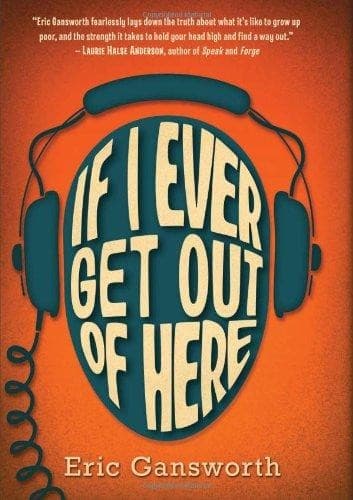
Book details and cover from Google Books.
Ready to read If I ever get out of here?
Get your copy on Amazon, or listen to it on Audible. We earn a commission if you buy through these links.