
We earn a commission if you buy through these links. Learn more
Hunger Point
A novel whose title points to appetite and want. This page relies on limited verified detail, so check a sample before committing.
What It's About
Hunger Point is a work of fiction by Jillian Medoff, and this page is written with more caution than usual. We do not have a reliable, detailed grasp of its plot, characters, or structure, so this overview avoids summarizing events it cannot confirm. What the title itself suggests is a book preoccupied with want: the hunger of a person for something they cannot easily name, and the point at which that wanting becomes urgent or dangerous. Treat that as a reading hint, not a promise.
Readers who know Medoff's earlier fiction will have a head start, though this page cannot confirm how closely the new book follows it in tone, form, or subject. The most useful first check is the narrative voice. A close first-person narrator and a wider, multi-perspective structure produce very different reading experiences, and a few pages will tell you which one you have.
The experience will depend on whether you want a book that rewards patience with gradual revelation or one that moves through clear, linear events. Sample the opening pages to judge pacing, and look for reviews from readers who finished the book rather than summaries that recycle the publisher's copy.
Read this if you…
- want literary fiction where a single image carries the emotional weight
- enjoy slow, interior novels that let tension build before anything breaks
- are comfortable with an ending that leaves questions open
Skip it if you…
- want a fast-moving page-turner with clear stakes from the first chapter
- prefer books with a firm sense of resolution at the end
Key Ideas
- 1
Hunger as the book's organizing image
The title is the most reliable clue we have. Hunger can mean appetite for food, for love, for status, or for a life one has not been allowed. Watch for which sense the book leans on, and whether the word returns in the text as a motif or stays a label on the cover. Readers who enjoy books where a single image carries the emotional weight will find this a useful lens.
- 2
Desire that tips into consequence
The word point in the title suggests a threshold, a moment where wanting turns into something with real cost. Ask whether the book is more interested in the build-up to that moment or in its aftermath. This is a common shape in psychological fiction, and your patience for slow tension will largely decide whether it works for you.
- 3
Interior life over external events
Much literary fiction of this kind moves through a character's perception rather than through a sequence of external events. Expect the story to be carried by how a character thinks and rationalizes, not by plot machinery. If the opening pages feel driven by action instead, that is a sign the book may be built differently than this suggests.
- 4
Ambiguity that may stay unresolved
Fiction with a suggestive title often withholds clear answers about motive and consequence. Expect questions rather than a tidy resolution. Readers who need closure may find this frustrating, while those who enjoy thinking about a book after the last page may find it the strongest part of the experience.
Limitations
This page is written with low confidence because the details available are limited. It cannot confirm characters, setting, structure, or how the book handles its central tensions, and it does not assess how well the prose holds up across the whole book. Readers should weigh it as a starting point, not a verdict, and check a sample or a recent independent review before deciding.
Questions Readers Ask
- Is Hunger Point a good pick for book club discussion?
- Probably, if the book delivers the ambiguity its title suggests. Novels that leave motives and consequences open tend to generate lively disagreement, which suits groups. Check a book club guide or a discussion sample before choosing it, since this page cannot confirm specific discussion points or themes the book raises.
- Is it similar to other psychological fiction?
- It likely sits in the broad tradition of psychological literary fiction, where a close look at one person's desires drives the story. Beyond that general fit, we cannot responsibly compare it to specific titles without verified detail. Browse that shelf in your library and sample two or three openings to see which voice you prefer.
- Published
- 1997
- ISBN
- 9780694517909
- Difficulty
- intermediate
- Category
- Fiction
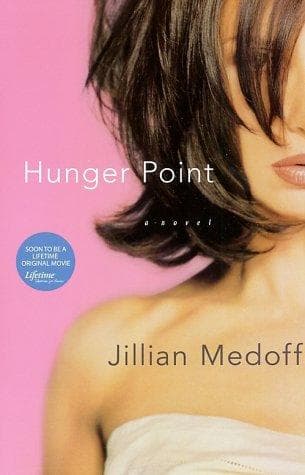
Book details and cover from Google Books.
Ready to read Hunger Point?
Get your copy on Amazon, or listen to it on Audible. We earn a commission if you buy through these links.