
The Perks of Being a Wallflower
Stephen Chbosky
Like Leonard, Charlie narrates in intimate letters about trauma, loneliness and the friends who help him survive. Its honest, sympathetic voice will feel familiar to fans of Leonard's story.
Reader-supported: when you buy through links on our site, we may earn an affiliate commission. Learn more
We earn a commission if you buy through these links. Learn more
Find Similar BooksA raw, funny, and heartbreaking YA novel that puts you inside a teen's mind on the day he plans to die, and asks who is paying attention to the people who seem fine.
Forgive Me, Leonard Peacock is a young adult novel narrated by Leonard, a high school senior who has decided that today is the day he will die and has a gun in his bag to make it happen. Nearly the whole book takes place across one school day, which gives the story a ticking, deadline-driven pulse. Quick builds the book around a handful of conversations and a lot of Leonard's private thinking, so you spend most of the time inside his head.
The voice is the main draw. Leonard is wry, observant, and often very funny, with a fondness for old movies and a habit of sizing up the people around him. That humor makes the darkness harder to look away from: you laugh at a line and then realize how much pain sits underneath it. The narration moves between present-day encounters and memories of home, school, and the loneliness that has built up over years. Leonard sometimes addresses the reader directly, which makes you feel more like a witness than a spectator.
Reading it is an uncomfortable, emotionally heavy experience, but not a hopeless one. The book is less interested in explaining why Leonard is in crisis than in showing how it feels from the inside and who notices, or fails to notice, what is happening. It asks you to pay attention to people who seem fine on the surface. It does not offer a neat manual for helping a friend, and it does not pretend small kindnesses solve everything. It is a quick read that lingers long after.
Leonard's humor and sharp observations work as armor. The book shows how a person can seem witty, engaged, and fine while carrying something unbearable. Readers come away understanding why warning signs are so easy to miss, especially when the person hiding them is clever enough to make others laugh.
Leonard's four visits each expose a different part of his life: a shared obsession, a friendship built on respect, a crush, and a relationship with a teacher. Each conversation shows what he needs and what he is afraid of losing. The structure lets the book explore isolation and connection without relying on lectures.
The book examines the gap between what people around Leonard see and what he is actually going through. Teachers, family, and classmates are present in his life but often miss the signals. Quick is interested in attention as a moral act, and the story makes readers think about how often people are simply too busy or too comfortable to ask.
Leonard's past, including his family's absences and the objects and stories he has inherited, shapes how he sees himself and the world. The book connects personal grief to larger questions about inherited trauma, memory, and what people carry forward from earlier generations.
Some readers find the emotional arc rushed or the resolution too neat for such a heavy premise. The secondary characters are drawn in broad strokes, and the book shows Leonard's loneliness more than it explores the systems that might help him, such as counseling or family support. The pop-culture references and the teen perspective place the book in a specific moment, so some of its details feel dated now. Readers who want a clinical or detailed account of mental health care will not find one here.
Reviews from readers on YouTube. Their opinions are their own.
Book details and cover from Google Books.
Ready to read Forgive Me, Leonard Peacock?
Get your copy on Amazon, or listen to it on Audible. We earn a commission if you buy through these links.
Stephen Chbosky
Like Leonard, Charlie narrates in intimate letters about trauma, loneliness and the friends who help him survive. Its honest, sympathetic voice will feel familiar to fans of Leonard's story.
Laurie Halse Anderson
Melinda's story is told in a raw, fragmented voice as she struggles in silence after a traumatic event. Readers moved by Leonard's isolation and his slow, painful reckoning will find the same emotional force here.
Jay Asher
Told through cassette tapes left behind by a classmate, this novel explores how small moments and unspoken pain can add up. It shares Leonard's focus on the people who might have made a difference.
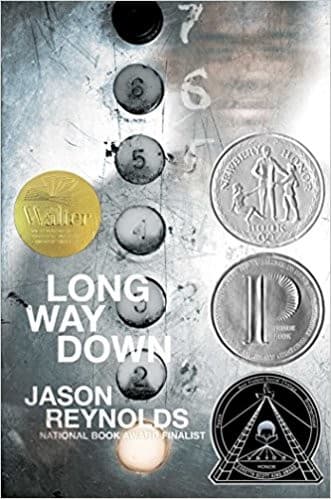
Jason Reynolds
A teenager rides an elevator over one tense night, weighing revenge against the rules that have shaped his life. Its compressed structure and sharp, poetic voice echo Leonard's ticking-clock day.