
Out of My Mind
Sharon M. Draper
Like Ally, Melody is far smarter than anyone assumes; her cerebral palsy hides a brilliant mind. Fans of Fish in a Tree will cheer her fight to be seen.
Reader-supported: when you buy through links on our site, we may earn an affiliate commission. Learn more
We earn a commission if you buy through these links. Learn more
Find Similar BooksA sharp, warm middle-grade novel about a clever kid who hides her dyslexia behind jokes and disruption, and the teacher who sees past the act. It is quick to read and gentle on a hard subject.
Fish in a Tree is a middle-grade novel by Lynda Mullaly Hunt about Ally Nickerson, a sixth grader who has changed schools often enough to get very good at covering up the fact that she cannot read well. Hunt tells the story in Ally's first-person voice, so the reader sees the bravado, the quick comebacks, and the classroom mischief that keep teachers from looking too closely, and then sees what all that effort costs her.
The book is short and easy to move through, built around scenes of school life: lessons that leave her lost, lunchtime friction, a friendship that is tested, and a teacher who notices more than she expects. Hunt keeps the tone warm without going syrupy, and she gives Ally's frustration real weight. Reading it feels like sitting close to a kid who is working very hard to look like she doesn't care.
The emotional payoff comes from watching Ally slowly admit what she has been hiding and discover that being known is less frightening than she assumed. Because the book is written for young readers, its emotional beats are clear and its lessons are stated plainly. That suits the audience, though adult readers may find the messages more obvious than they would like.
Ally's disruptions are not random. They are a strategy to keep classmates and teachers focused on her conduct instead of her reading. The book asks readers to consider what a kid's misbehavior might be protecting, and how often adults respond to the surface rather than the cause.
A diagnosis or a reputation can become the only thing people see. Hunt shows Ally struggling with the label of dyslexia and the label of troublemaker, and how both can flatten who she is. The story makes the case that a child is far more than any single word attached to them.
Ally is quick, funny, and creative, but school measures her mainly by reading. The novel challenges the idea that one kind of ability defines a child's worth, and it shows how a kid can be capable in ways a standard classroom does not reward.
Ally believes that needing help proves she is stupid, so she refuses it. The book treats admitting a difficulty as a brave act rather than a weakness, and it makes that shift feel earned rather than announced.
The novel shows dyslexia through one child's experience, which makes it moving but not representative of every reader with the condition. The resolution comes fairly neatly, and some readers will find the teacher's role idealized and the lessons spelled out too directly. The story is light on the practical details of testing, intervention, and support at school, so families looking for a how-to will need other sources.
Reviews from readers on YouTube. Their opinions are their own.
Book details and cover from Google Books.
Ready to read Fish in a Tree?
Get your copy on Amazon, or listen to it on Audible. We earn a commission if you buy through these links.
Sharon M. Draper
Like Ally, Melody is far smarter than anyone assumes; her cerebral palsy hides a brilliant mind. Fans of Fish in a Tree will cheer her fight to be seen.
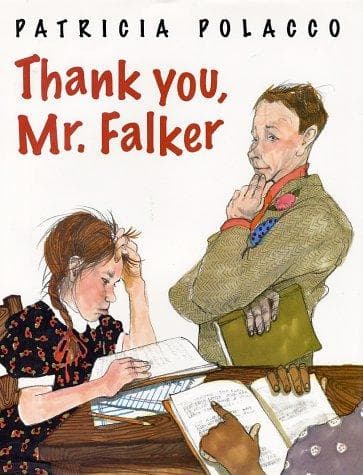
Patricia Polacco
A short, true story of a girl who can't read and the teacher who discovers her dyslexia. It is the perfect companion to Ally and Mr. Daniels.
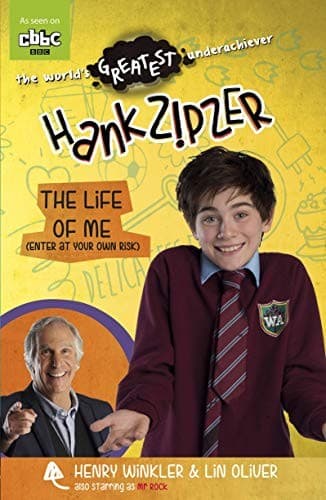
Henry Winkler and Lin Oliver
Hank uses humour to cover his learning challenges, much like Ally's clever distractions. A lighter, funny take on dyslexia that still shows how capable he really is.
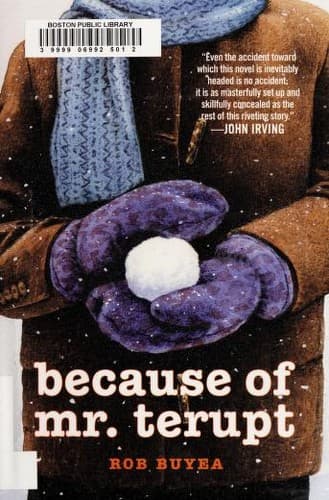
Rob Buyea
A fifth-grade class is transformed by an unconventional new teacher. Readers who loved Mr. Daniels will enjoy this multi-voiced classroom story.