
We earn a commission if you buy through these links. Learn more
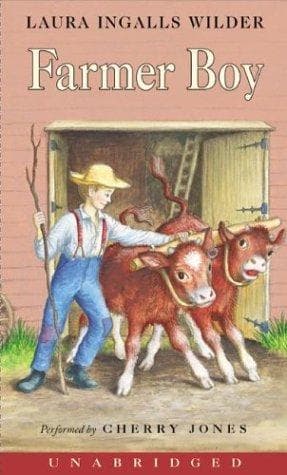
Farmer Boy
A warm, food-filled look at 1860s farm life through a boy who loves horses, hard work, and big family dinners, and a gentle reminder of how ordinary days once ran.
What It's About
Farmer Boy is the third book in Laura Ingalls Wilder's Little House series, but it is told from the point of view of Almanzo Wilder, the boy who would later become her husband. Here he is a child on a prosperous farm in northern New York, and the book follows him through a year of seasons, chores, and small adventures rather than through a single dramatic plot.
Wilder writes in plain, steady sentences and lingers over concrete detail: how a farm family prepared for winter, what they ate and how it was cooked, how animals were raised, bought, and traded. Much of the pleasure comes from the descriptions of food and work, which are vivid enough that many readers remember the meals more than the events. Almanzo's love of horses and his eagerness to prove himself give the story its forward pull.
Reading it feels like sitting beside an older relative who remembers a world with no electricity, no store down the road, and a clear sense of what each day was for. The pace is unhurried and the emotional register is quiet, so the book works best as a slow, cozy read rather than a page-turner.
Read this if you…
- enjoy slow, detailed stories about everyday rural life
- are curious about how food, farming, and winter preparation worked in the 1800s
- want a calm, comforting read that is accessible to younger readers and adults alike
Skip it if you…
- need a plot with rising stakes, conflict, or a strong narrative drive
- expect the historical detail to be fully up to modern standards of social and cultural context
Key Ideas
- 1
Work as the shape of daily life
Almanzo's days are organized by chores, weather, and the needs of animals and crops. Wilder shows labor not as hardship to be escaped but as the ordinary rhythm that holds a family together, and she makes the reader feel how much skill each task required.
- 2
Food as a window into the past
Meals, preserving, and holiday feasts recur throughout the book and are described in loving detail. Readers interested in historical foodways will find the book unusually useful, because the food is tied to the season, the land, and the household's own labor.
- 3
Childhood ambition and learning by doing
Almanzo's wish to own and manage horses drives much of the book. His growth comes from practice, mistakes, and the patience of adults who let him try, which gives the story a quiet lesson about competence and responsibility.
- 4
A family seen from a boy's eyes
Because the narrator is a boy rather than the girl of the earlier Little House books, the household looks different: the father's expectations, the brothers and sisters, and the dynamics of a farm where children were expected to contribute. This shift in perspective is what sets the book apart within its series.
Limitations
The book is gentle and episodic, so readers who want a tight plot may find it slow. Its view of farm life is idealized in places and reflects the period's assumptions about gender, labor, and family roles, which modern readers may find dated. It also covers a narrow setting and a single boy's perspective, so it says little about wider political or economic change in the region. Some readers find the emphasis on food and chores repetitive over a full book.
Questions Readers Ask
- Do I need to read the other Little House books first?
- No. Farmer Boy works as a standalone story because it is about a different family and a different character. Readers who know the series will enjoy the connections, but a new reader can start here without losing the thread of the book.
- Is Farmer Boy suitable for adults?
- Yes. Although it is written for younger readers, adults often appreciate its detailed picture of farm life and its food descriptions. It is a short, calm book that rewards slow reading, especially for anyone interested in history or rural work.
- Published
- 1933
- ISBN
- 9780060885380
- Difficulty
- beginner
- Category
- Children's Books
Book details and cover from Google Books.
Ready to read Farmer Boy?
Get your copy on Amazon, or listen to it on Audible. We earn a commission if you buy through these links.