
We earn a commission if you buy through these links. Learn more
Elsewhere
Guide by the Books of the Day editors · Updated · How we write our guides
Gabrielle Zevin's Elsewhere imagines an afterlife where people stay the age they died and grow younger each day, offering a tender, wry look at grief, memory, and letting go.
What Creators Say About Elsewhere
2 creators reviewed Elsewhere on YouTube between 2013 and 2019, with 3K views between them. Their opinions are their own; we picked these reviews, we didn't write them.
What It's About
Elsewhere is a novel about a fifteen-year-old girl who finds herself in an afterlife that looks a lot like the world she left behind. In this place, people keep the age they died and then gradually grow younger until they are ready to be reborn. Zevin grounds the premise in ordinary details: daily routines, new friendships, small rules that seem arbitrary, and the strange bureaucracy of a place nobody quite understands. The worldbuilding is handled with a light touch, so the focus stays on the people rather than on the mechanics.
The book's approach is quiet and conversational rather than dramatic. Much of the tension comes from the narrator's adjustment: missing her family, trying to make sense of the rules, and seeing the people she loves from a distance she cannot close. The prose is plain and direct, and the chapters move briskly, so the book reads quickly even when it lingers on sad moments. Zevin uses humor to keep the story from getting heavy, and that balance is a big part of why it works.
Reading Elsewhere feels more reflective than adventurous. It is a book about grief, memory, and what we owe the people we leave behind, written for teen readers without talking down to adults. Expect a bittersweet tone. It is sad in places, but it is rarely bleak, and it leaves room for hope.
Read this if you…
- enjoy thoughtful fiction about death and what comes after
- want a quick, emotionally honest read with a bit of humor
- are looking for a gentle story about grief that does not feel preachy
Skip it if you…
- want a fast-paced plot with a lot of external action or suspense
- need a clear, detailed explanation of the afterlife's rules and logic
Key Ideas
- 1
Living with the age you died
The novel's central device is simple but unsettling: the dead keep the age they were when they died, and that age shapes how they relate to everyone around them. A teenager who died young carries a different perspective than an older person who lived a full life. Zevin uses this to ask whether a person is defined by their final years or by everything that came before, and the answer shifts as the characters grow younger.
- 2
Grief seen from the other side
Much of the book is about the living left behind, seen from a place where the narrator can watch but not fully intervene. This gives the grief a particular ache. Readers who have lost someone may find the book comforting, while others may find it uncomfortably close to home. The story treats mourning as something that continues in changed form rather than something that simply ends.
- 3
Friendship and first loves in an afterlife
The new relationships the narrator forms are as important as the premise itself. Zevin writes about attraction, loyalty, and misunderstanding with a teenager's intensity but without melodrama. These scenes give the book its warmth and keep it from becoming a purely philosophical exercise. The connections feel earned because they are built from small moments rather than grand declarations.
- 4
Acceptance without easy answers
Elsewhere does not offer a tidy explanation of what happens after death, and it does not pretend to. Instead, it focuses on how a person might come to terms with an ending they did not choose. The book suggests that acceptance is a practice rather than a single moment, and it trusts readers to sit with the questions it raises.
Limitations
The premise is more suggestive than fully worked out, and readers who want a rigorous or systematic afterlife will likely find the world thin. Some critics feel the book's emotional beats are familiar for the genre, and the writing can seem simple to readers used to more ornate prose. Because it is aimed at a young adult audience, adult readers may find its concerns and voice less complex than they would like. The ending is also open enough that some will find it unsatisfying.
Questions Readers Ask
- Is Elsewhere suitable for younger readers?
- It is generally shared as a young adult novel, and it deals with death, grief, and a teenage protagonist's loss. Many teens handle it well, and it is a common recommendation for readers moving into more serious fiction. Parents of younger children may want to read it first, since the emotional content is direct even though the language is accessible.
- How does Elsewhere compare to other books about the afterlife?
- Compared with more intricate afterlife novels, Elsewhere is lighter and more personal. It spends less time on theology and more on the day-to-day feeling of being dead and watching the living. Readers who want a gentler, more intimate take on the subject will likely prefer it to darker or more complicated treatments.
- Published
- 2005
- ISBN
- 9781417781287
- Difficulty
- beginner
- Category
- Children's Books
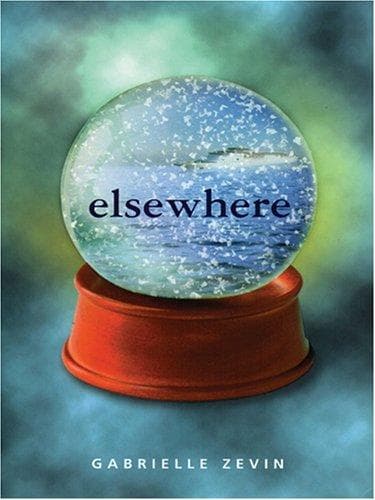
Book details and cover from Google Books.
Ready to read Elsewhere?
Get your copy on Amazon, or listen to it on Audible. We earn a commission if you buy through these links.