
We earn a commission if you buy through these links. Learn more
Dry
A short, darkly funny memoir of heavy drinking, a New York advertising job, and an unglamorous attempt to get sober, worth reading for its sharp, self-mocking voice.
What It's About
Dry is Augusten Burroughs' memoir of his years as a heavy drinker in New York, working as a copywriter in the advertising world, and his struggle to stop. It picks up after the chaos of his childhood, which he wrote about in Running with Scissors, but it stands on its own. The focus is on adult life: the jobs, the apartments, the relationships, and the steady erosion that comes with drinking while still functioning well enough to hide it.
The writing is built from short, punchy sections that move quickly. Burroughs uses deadpan humor and self-mockery to describe his own behavior, and he is particularly good at skewering the glossy, image-obsessed culture of the agency world. His accounts of treatment and Alcoholics Anonymous are funny without being sentimental, and he does not pretend that getting sober makes everything tidy.
Reading Dry feels like listening to someone who knows exactly how to make a disaster entertaining, and who is also willing to show how ugly it was. The book is fast and often very funny, but the humor sits on top of real damage, so the mood can shift abruptly. It is more an account of one person's experience than a guide to recovery, and it rewards readers who want a voice first and information second.
Read this if you…
- enjoy confessional memoir with dark, self-deprecating humor
- want an inside view of early sobriety told without sentimentality
- like short, fast-moving chapters with a strong, distinctive voice
Skip it if you…
- want a practical guide to getting sober or a clinical account of addiction
- find graphic depictions of drinking and self-destruction hard to read
Key Ideas
- 1
Humor as a means of survival
Burroughs uses wit to hold distance from his own worst moments. The jokes are not just decoration; they show how a person can keep narrating their life with irony while falling apart. Readers will notice the gap between how funny the prose is and how bad the situations were, and that gap is much of the book's power.
- 2
Addiction as a machine of rationalization
A recurring theme is how drinking supplies its own justifications. Burroughs shows the small, plausible reasons he gave himself for another drink and the elaborate ways he avoided seeing the pattern. The book is useful for understanding how denial works from the inside, even when the specific details belong only to him.
- 3
The ad world as a portrait of image-making
His job at an advertising agency gives the memoir a second target alongside himself. Burroughs satirizes a culture built on selling surfaces and feelings, and he draws a parallel between that performance and the way he presented himself to others while drinking. The workplace scenes are some of the sharpest in the book.
- 4
Recovery without a neat arc
Getting sober is not presented as a single turning point. Burroughs describes it as slow, repetitive, and uncomfortable, with setbacks and odd encounters along the way. This makes the book less inspirational than many recovery memoirs, which some readers will find more honest and others will find less satisfying.
Limitations
As a memoir, Dry offers one person's version of events, and the story is shaped for effect, so the timeline and emotional emphasis should be read as his account rather than a full record. Some readers find the comic tone glib when it touches serious harm to himself and others. The book says little about the science of addiction, the wider options for treatment, or the experiences of people with different backgrounds. Its focus is narrow by design, and it will not answer broader questions about alcoholism.
Questions Readers Ask
- Do I need to read Running with Scissors first?
- No. Dry is written so that a new reader can follow it without the earlier memoir. Some readers will recognize names or references from Running with Scissors, but the book focuses on Burroughs' adult life in New York and his years of drinking and early sobriety, so it works as a standalone read.
- Is Dry useful for someone trying to stop drinking?
- It can feel familiar to readers who have struggled with drinking, especially in its depiction of denial and rationalization. However, it is not a recovery manual and does not offer step-by-step advice. Readers looking for practical support may get more from a dedicated guide or a book that explains the process directly.
- How does Dry compare to Drinking: A Love Story?
- Caroline Knapp's Drinking: A Love Story is more reflective and literary, with a quieter, more analytical tone about her relationship with alcohol. Dry is faster, funnier, and more episodic, relying on sharp scenes and self-mockery. Readers who want contemplation may prefer Knapp, while those who want wit and momentum may prefer Burroughs.
- Published
- 2003
- ISBN
- 9780857895172
- Difficulty
- beginner
- Category
- Biographies
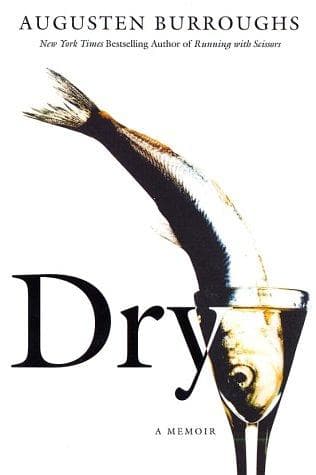
Book details and cover from Google Books.
Ready to read Dry?
Get your copy on Amazon, or listen to it on Audible. We earn a commission if you buy through these links.