
We earn a commission if you buy through these links. Learn more
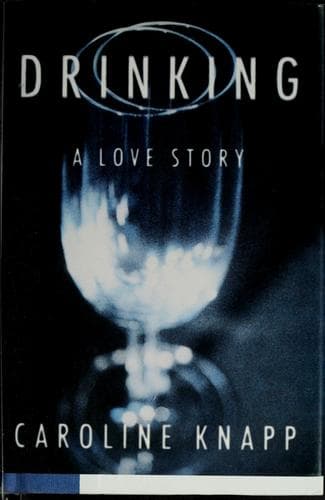
Drinking
Caroline Knapp's memoir is a candid, literary look at why alcohol held such a grip on her, and it is more interested in the emotional logic of drinking than in offering a recovery manual.
What It's About
Drinking: A Love Story is a memoir in which Caroline Knapp examines her own long relationship with alcohol, from the drinking that felt like belonging in her younger years to the dependence that eventually took over her days. She does not frame the story as a cautionary tale with a tidy lesson. Instead she tries to understand why drinking held such a grip on her, and why it seemed to offer something she could not find elsewhere.
The writing is literary and reflective. Knapp moves between scenes from her life and wider observations about alcohol's place in social life, the rituals of bars and parties, and what it means to feel at home in a body and a self. She is candid about the shame and secrecy that surrounded her drinking, and about the ways she bargained with herself. The tone is measured rather than melodramatic, which makes the harder passages land with more force.
Reading it is an intimate experience, closer to listening to a sharp, honest friend work through something painful than to following a manual. It will likely appeal most to readers who have drunk heavily, who love someone who does, or who are curious about the emotional logic of addiction. It is less a step-by-step guide to recovery than an account of one person's mind working through her own history.
Read this if you…
- want an honest, literary account of how alcohol can feel like a companion before it becomes a problem
- are trying to understand a partner's, friend's, or your own drinking from the inside
- enjoy memoirs that think carefully about feeling, identity, and the self
Skip it if you…
- need practical strategies, treatment options, or a step-by-step plan to quit drinking
- prefer memoirs driven by plot and narrative momentum over long reflection
Key Ideas
- 1
Drinking as a search for belonging
Knapp shows how alcohol can offer ease, a sense of being included, and relief from self-consciousness. The appeal is real, which is why it is so hard to give up. She treats the pull not as a moral failing but as a response to unmet emotional needs, and asks readers to consider what their own drinking might be standing in for.
- 2
Addiction as a relationship, not just a habit
Rather than describing dependence as a simple bad routine, Knapp frames her bond with alcohol as intimate, with its own promises, comforts, and betrayals. This framing helps explain why quitting can feel like grief for something once loved, and why willpower alone rarely settles the matter.
- 3
Shame, secrecy, and self-deception
A large part of the book concerns the work of concealment: the rationalizations, the bargains, and the private rules a drinker builds to keep the problem hidden from others and from herself. Knapp is unflinching about how those habits of self-deception sustained her drinking long after its costs were obvious.
- 4
Recovery as an ongoing, uncertain process
Sobriety appears here as a continuing task rather than a single decision. Knapp reflects on learning to live without alcohol, on the role of community and honest self-examination, and on the ways old patterns can return. The account is personal and tentative, which many readers will find more believable than a neat triumph.
Limitations
The book is one woman's account, and it reflects the cultural assumptions and clinical language of the mid-1990s, when it was written. Readers looking for current research on addiction will need to look elsewhere. Some of Knapp's reflections move slowly, and the emphasis on introspection can feel repetitive to readers who want more concrete incidents or outside perspectives. Its view of recovery is also shaped by her own experience and may not match every reader's path.
Questions Readers Ask
- Is Drinking a self-help book?
- No. It is a memoir. Knapp describes her own drinking and recovery and reflects on what they meant to her. It does not offer a program, checklist, or set of instructions. Readers who want actionable guidance will find it more thoughtful than practical, though many people find its honesty helpful when thinking about their own relationship with alcohol.
- Is the book still relevant today?
- Its emotional core still holds up well: the pull of alcohol, the secrecy around it, and the mixed feelings of quitting. Some of the cultural context and clinical framing reflect the 1990s, so readers may want to pair it with newer material on addiction science and treatment.
- How does it compare to Dry by Augusten Burroughs?
- Both are candid memoirs about heavy drinking and getting sober. Burroughs writes with sharper humor and a faster, more episodic pace. Knapp is more reflective and slower, spending more time on the emotional meaning of drinking and less on dramatic incident. Readers who want momentum may prefer Dry, while those who value introspection may prefer Knapp.
- Published
- 1996
- ISBN
- 9780704380509
- Difficulty
- beginner
- Category
- Biographies
Book details and cover from Google Books.
Ready to read Drinking?
Get your copy on Amazon, or listen to it on Audible. We earn a commission if you buy through these links.